Creatine loading isn’t a bro-science myth—it’s a legitimate, research-backed strategy to rapidly saturate your muscles. But doing it wrong means wasting powder, money, and potentially your stomach lining. This 2026 guide cuts through the noise with a science-based protocol, ranks the best creatines for loading, and explains exactly when you should (and shouldn’t) use this method to maximize strength and size.
Disclaimer: You’re here to find a product that’ll get you results, and I’m here to help. Just a heads-up: As an Amazon Associate, I earn from qualifying purchases. If you buy through my links, I get a small commission at no added cost to you. It’s like I get a little something for doing the heavy lifting on research. Fair deal? Now, let’s get into the good stuff.
New to creatine? Start with our complete guide to how creatine works, its benefits, and safety.
What Is Creatine Loading? (The 20-Second Explanation)
Creatine loading is a short-term, high-dose protocol designed to max out your muscle creatine stores 2–3 times faster than a standard dose. Think of it as filling a gas tank to the brim immediately, instead of adding a gallon each day.
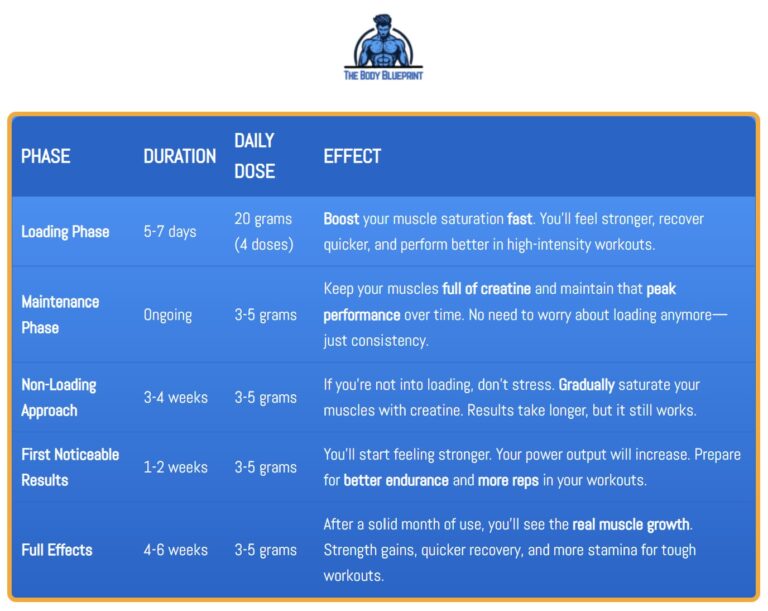
- Standard Dose: 3-5 grams daily. Takes 3-4 weeks to reach full saturation.
- Loading Dose: 20-25 grams daily (split into 4-5 servings) for 5-7 days. Reaches ~95% saturation in about a week.
- Followed By: A “maintenance” dose of 3-5 grams daily, indefinitely.
It’s not mandatory—but if you want the ergogenic benefits (more strength, power, volume) as fast as possible, loading is the proven method. For a deeper dive on timing, see our complete creatine timing guide.
The Science: Why Loading Actually Works
Your muscles have a finite storage capacity for creatine phosphate—the high-energy compound that regenerates ATP during intense effort. Loading exploits simple saturation kinetics.
Proven Benefits (Beyond “More Gains”)
- Faster Strength & Power Increase: Saturated muscles can regenerate ATP faster, meaning you can squeeze out 1-2 more reps on your top sets within days.
- Increased Muscle Volume (Cell Swelling): Creatine pulls water into muscle cells. This acute volumization can make muscles look fuller and may stimulate long-term growth signaling.
- Enhanced Recovery: Better ATP recycling may reduce muscle fatigue and soreness between sets and workouts.
“Loading is a tactical move for athletes starting a new training cycle or anyone who wants the performance benefits yesterday. It’s physiology, not guesswork—you’re pharmacologically maximizing a natural compound your body already uses.”
— Eugene Thong, CSCS
The 2026 Loading Protocol (No Bloat, No Waste)
The old-school “20g/day for a week” works, but it’s crude. This updated protocol minimizes GI distress and maximizes absorption.
Step-by-Step Guide
- Days 1-7 (Load Phase): Take 0.3 grams per kilogram of body weight daily. Split into 4 equal servings with meals or post-workout.
- Example (180 lb / 82 kg lifter): 82 x 0.3 = ~25 grams total. Take ~6 grams with breakfast, lunch, dinner, and post-workout.
- Day 8 Onward (Maintenance): Drop to 0.03-0.05 g/kg/day (the standard 3-5 grams for most people).
- Key Synergy: Take each serving with 50+ grams of simple carbs (like fruit juice or a banana) and 20-50g of protein. This insulin spike enhances muscle creatine uptake by up to 60%.
Who Should NOT Load
- First-time creatine users sensitive to GI issues (start with 3-5g/day).
- Anyone with pre-existing kidney disease (consult a doctor first).
- If you dislike the hassle of multiple doses—the benefit over standard dosing is speed, not magnitude.
“The insulin tip is critical. Pairing your creatine dose with a carb- and protein-rich meal isn’t just for gains—it’s a practical hack to drive more creatine into the cells you’re targeting, reducing waste and potential digestive side effects.”
— Charles Damiano, B.S. Clinical Nutrition
Ranked: Best Creatines for Loading in 2026
Not all creatine is equal for a loading phase. You want purity, solubility, and value. Here are the top picks, based on our deep dive into the top creatine supplements.
| Product | Type | Why It’s Good for Loading | Value Score |
|---|---|---|---|
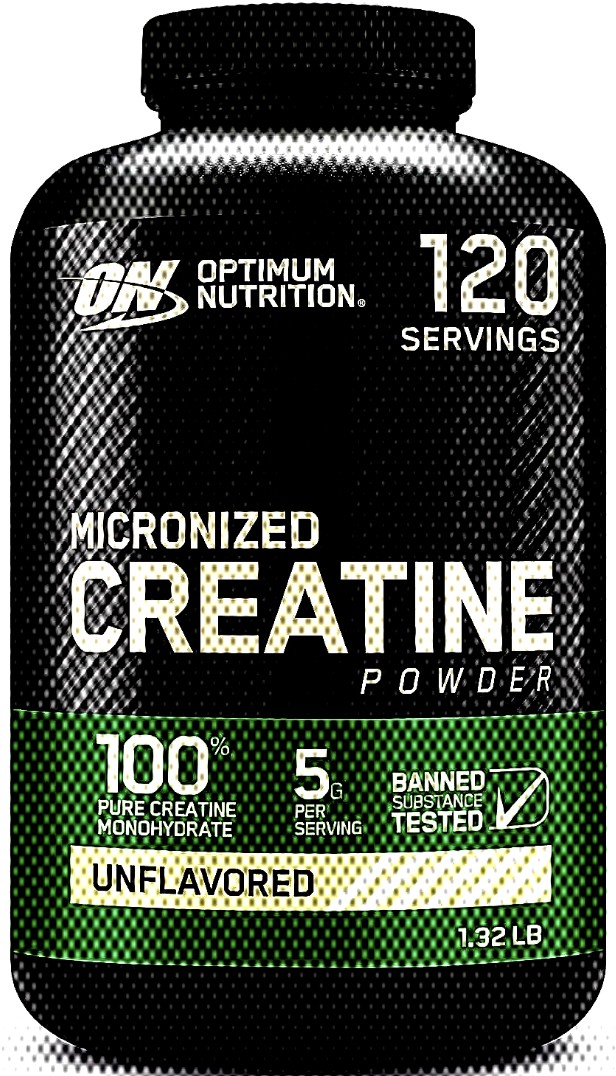
| Optimum Nutrition Micronized | Creatine Monohydrate | Finely micronized for easy mixing & absorption; proven brand; unflavored. | 10/10 |
| Sports Research Micronized | Creatine Monohydrate | Solubility is exceptional; often third-party tested; easy on the stomach. | 9/10 |
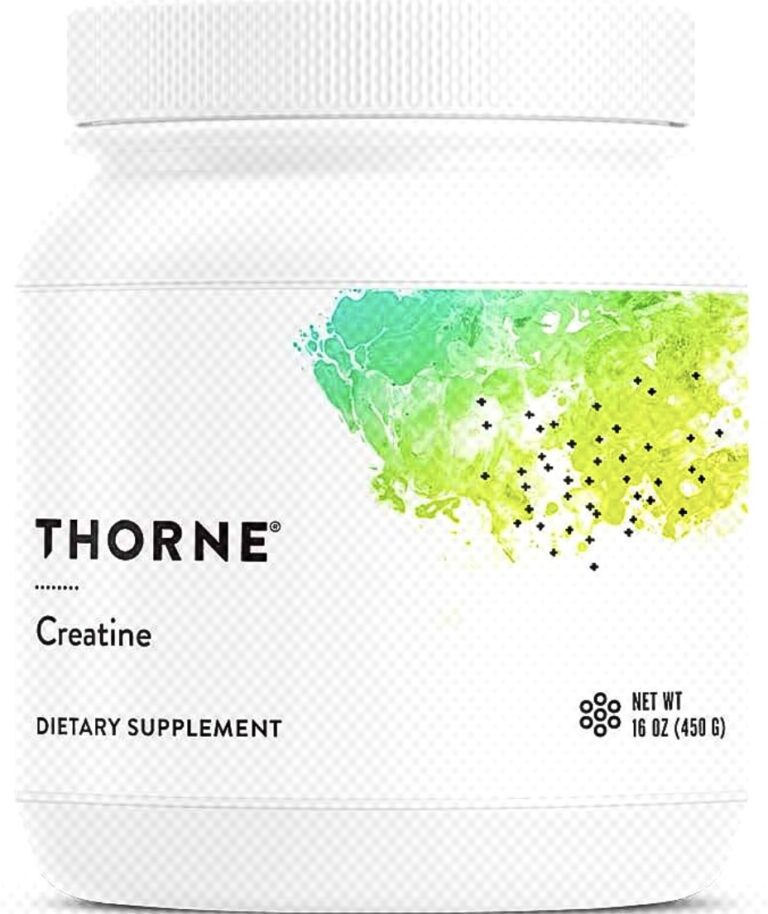
| Thorne Research Creatine | Creatine Monohydrate | The purity gold standard. Ideal for those who prioritize third-party verification above all. | 8/10 |
| MuscleTech Platinum | Creatine Monohydrate | Great cost-per-gram for high-volume loading; reliably dissolves well. | 9/10 |
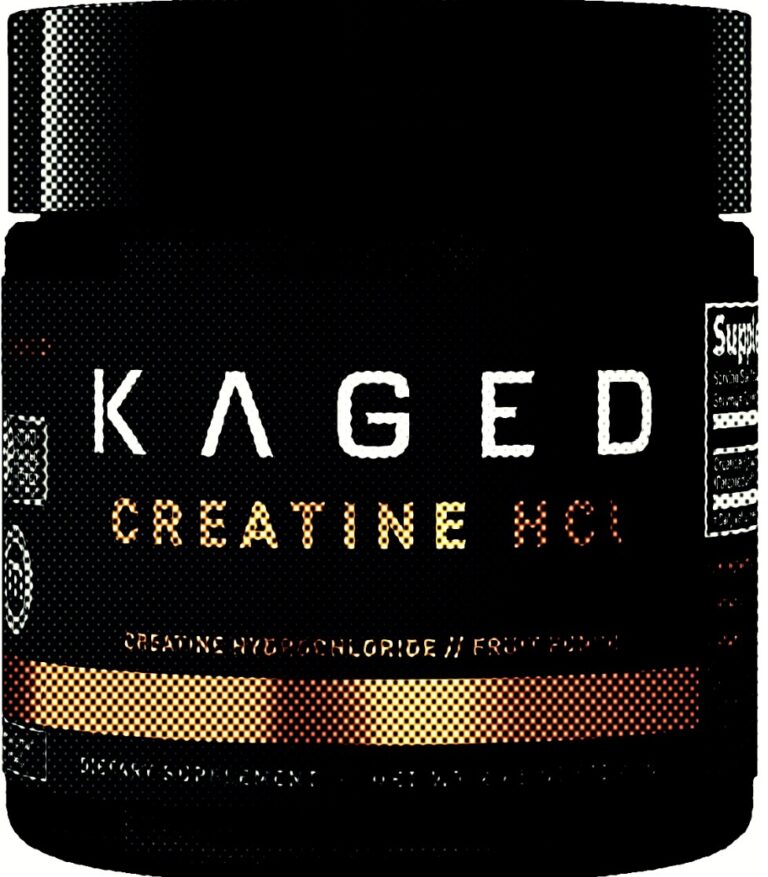
| Kaged Creatine HCL | Creatine Hydrochloride | If monohydrate causes bloating, HCL is far more soluble. Requires a smaller dose (2-3g). | 7/10 |
Verdict: For most, a micronized creatine monohydrate (like Optimum Nutrition or Sports Research) is the perfect balance of efficacy, solubility, and cost—critical when consuming 20+ grams daily. For a comparison of two popular brands, see our Optimum Nutrition vs. MuscleTech breakdown.
Creatine Loading FAQ: Avoiding the Common Mistakes
- Does loading cause bloating or water weight?
- Yes, but the water is pulled into muscle cells (intramuscular), not under the skin (subcutaneous). This can make muscles look fuller, not puffy. Staying hydrated reduces any temporary GI bloating.
- Can I load with creatine HCL?
- Yes, but you don’t need the same high dose. Because HCL is more soluble and absorbable, a loading dose of 10-15 grams daily for 5-7 days is sufficient, followed by 2-3g maintenance. For more on HCL, read our review of a top HCL/HMB blend.
- How often should I reload?
- Never, if you maintain with 3-5g daily. Your stores stay saturated. You only need to reload if you stop taking creatine for several weeks.
- Should I cycle off creatine?
- No. This is an outdated practice. Creatine is safe for continuous, long-term use. See our guide on the best long-term creatine strategies for men.
- What’s the #1 loading mistake?
- Taking all 20 grams at once. This overwhelms absorption, wastes product, and guarantees GI distress. Always split your daily load into 4-5 servings.
“The biggest mistake isn’t skipping the load—it’s doing the load poorly. Spreading doses, combining with carbs, and choosing a quality powder turns a potentially messy protocol into a predictable, effective tool.”
— Eugene Thong, CSCS
Related Creatine & Supplement Guides
- Top 5 Creatine Supplements for Muscle Gain (2026)
- Creatine Timing Guide: When to Take It for Best Results
- Transparent Labs Creatine HMB Review: A Deep Dive
- Creatine Showdown: Optimum Nutrition vs. MuscleTech
- Best Creatine for Men: A Long-Term Performance Guide
The Iron Lexicon: Creatine Science Edition
- Creatine Loading Phase
- A short-term protocol (5-7 days) of high-dose creatine intake (0.3g/kg/day) to rapidly saturate muscle phosphocreatine stores.
- Muscle Creatine Saturation
- The point at which muscle tissue can store no additional creatine, maximizing the availability of phosphocreatine for ATP regeneration.
- Phosphocreatine (PCr)
- The high-energy phosphate compound stored in muscle that donates a phosphate to ADP to rapidly regenerate ATP during intense exercise.
- ATP Regeneration
- The process of re-synthesizing adenosine triphosphate (ATP), the body’s primary cellular energy currency. Enhanced PCr stores speed this process.
- Intramuscular Volumization
- The drawing of water into muscle cells by creatine, increasing cell volume, which is theorized to be one mechanism for its anabolic effect.
- Micronized Creatine
- Creatine monohydrate processed into smaller particles for improved solubility, mixability, and potential absorption.
- Creatine Hydrochloride (HCL)
- A creatine molecule bound to hydrochloride, significantly increasing its solubility and potentially reducing the required dose and GI side effects.
- Maintenance Dose
- The long-term, lower daily dose of creatine (typically 3-5g) taken after a loading phase to maintain saturated muscle stores.