Sports Research Omega-3 Fish Oil is a tactical tool for reducing inflammation, accelerating recovery, and protecting your joints so you can train harder, more often. This is about performance, not just “health.”
This 2026 Buyer’s Guide breaks down the molecular distillation, the 1000mg Omega-3 punch, the added D3+K2, and why sourcing from wild Alaskan pollock matters for lifters who actually give a damn about what goes in their body.

Disclaimer: You’re here to find a product that’ll get you results, and I’m here to help. Just a heads-up: As an Amazon Associate, I earn from qualifying purchases. If you buy through my links, I get a small commission at no added cost to you. It’s like I get a little something for doing the heavy lifting on research. Fair deal? Now, let’s get into the good stuff.
Hate the fishy burps? We’ve tested the top options for an Omega-3 with no aftertaste.
Sports Research Omega-3 Overview & Key Specs
This isn’t a budget bottle filled with low-potency oil. Each softgel is engineered for maximum active impact, backed by third-party purity testing. It’s a workhorse formula for athletes.
- Total Omega-3s: 1000 mg per softgel (680 mg EPA / 260 mg DHA).
- Source: Sustainable, Wild-Caught Alaskan Pollock (IFOS 5-Star Certified).
- Key Additions: 1250 IU Vitamin D3 & 55 mcg Vitamin K2 (as MK-7) per serving.
- Purity Process: Molecularly distilled to remove heavy metals, PCBs, and other toxins.
- Form: Triglyceride-form softgels (for better absorption than ethyl esters).
- Burp-Free: Enteric-coated to prevent fishy aftertaste.
The Science: Dose, Purity & Why The Source Matters
Most fish oil is under-dosed garbage. Here’s what separates a performance tool from a shelf-warmer.
The 1000mg Omega-3 Threshold
For active individuals, studies point to a minimum of 1000-2000 mg of combined EPA/DHA daily for measurable anti-inflammatory and recovery benefits. This formula delivers 1000mg in one serving, hitting that baseline dose efficiently.
Sourcing & Purity (Alaskan Pollock vs. The Rest)
Wild Alaskan pollock is a cold-water, short-lived fish, which means it accumulates far fewer environmental toxins than larger, longer-lived species (like tuna or shark often used in cheap oils). The IFOS 5-Star certification is the global gold standard for purity and potency—it means every batch is tested and verified.
“You can’t out-train a pro-inflammatory diet or environment. A high-dose, pure Omega-3 like this acts as a systemic fire extinguisher. The added D3 and K2 are critical—they work synergistically to direct the calcium you’re consuming into bones, not arteries.”
— Charles Damiano, B.S. Clinical Nutrition
Performance & Recovery Benefits for Lifters
Forget vague “heart health” claims. Here’s what this actually does for your training.
1. Reduces Exercise-Induced Inflammation
Intense training causes micro-tears and inflammation. EPA/DHA are precursors to specialized pro-resolving mediators (SPMs)—molecules that actively resolve inflammation, not just blanket it.
2. Supports Joint Health & Mobility
Omega-3s are incorporated into joint cartilage and synovial fluid. Consistent intake can improve lubrication and reduce stiffness, especially under heavy loads. For more on Omega-3s and training, see our guide on the best Omega-3 for muscle recovery.
3. The D3+K2 Advantage for Athletes
Vitamin D3 is crucial for immune function, muscle protein synthesis, and testosterone support. K2 (as MK-7) ensures calcium is utilized properly. This combo is often missing in other formulas and is non-negotiable for bone density under heavy squat and deadlift loads.
“Recovery isn’t passive. It’s a biological process you can fuel. Omega-3s, particularly at this dose, signal your body to repair tissue faster. The difference isn’t feeling less sore—it’s being ready for your next heavy session 24 hours sooner.”
— Eugene Thong, CSCS
Who Sports Research Omega-3 Is For (And Not For)
This Formula Is Perfect For:
- The Active Lifter: Anyone training 3+ days a week who needs to manage systemic inflammation and joint wear.
- The Biohacker: Someone who appreciates the synergistic addition of D3 and K2 for a comprehensive health stack.
- The Quality-First Buyer: Individuals who prioritize verified purity (IFOS) over the lowest price per softgel.
- Those Sensitive to Aftertaste: The enteric coating is a legitimate solution for “fish burps.”
This Formula Is NOT For:
- Extreme Budget Shoppers: There are cheaper oils, but you compromise on dose, purity, and the D3/K2 combo.
- Vegans/Vegetarians: This is fish-derived. For a plant-based alternative, see our Nordic Naturals Algae Omega review.
- Those Needing Ultra-High EPA Doses: For targeted, very high-dose EPA protocols (2-3+ grams daily), a concentrated EPA-specific product may be more cost-effective.
Potential Drawbacks (Read Before You Buy)
- Premium Price Point: You pay for the purity certification, sustainable sourcing, and added vitamins.
- Two-Softgel Serving: To get the 1000mg Omega-3s, you take two softgels. Some competitors offer 1000mg in a single softgel.
- D3/K2 Dose is Foundational: The D3 (1250 IU) and K2 (55 mcg) are excellent for maintenance, but if you’re clinically deficient, you may need a separate, higher-dose D3/K2 supplement.
“The ‘drawback’ of cost is a false economy. A cheaper oil with lower potency and no third-party testing means you’re likely consuming less active EPA/DHA and potentially more contaminants. You’re just paying for oil, not results.”
— Charles Damiano, B.S. Clinical Nutrition
Sports Research vs. Carlson vs. MegaRed (2026 Comparison)
| Feature | Sports Research | Carlson Elite | MegaRed Krill |
|---|---|---|---|
| Source | Wild Alaskan Pollock | Norwegian Deep Sea Fish | Antarctic Krill |
| Total Omega-3/Serve | 1000 mg | 1600 mg | 350 mg |
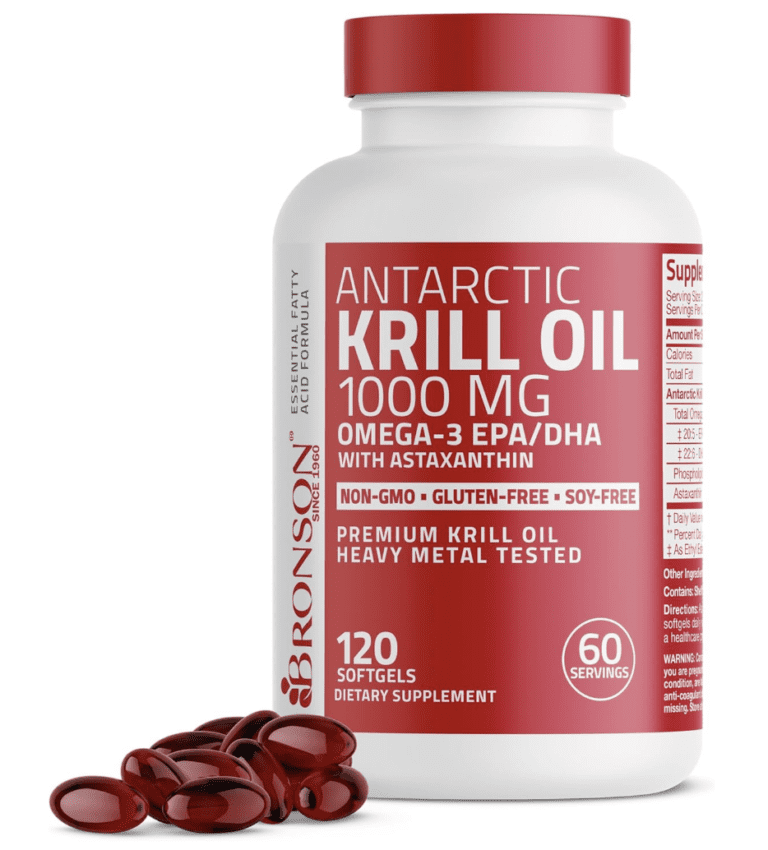
| Key Additives | D3 + K2 (MK-7) | Vitamin E (Antioxidant) | Astaxanthin |
| Best For | All-Around Performance & Bone/Joint Stack | Very High Dose EPA/DHA | Bioavailability & Antioxidant Boost |
Still deciding on the source? Our breakdown of Fish Oil vs. Krill Oil covers the pros and cons of each.
“Choose based on your goal. For a foundational anti-inflammatory and recovery dose with extra bone-support nutrients, Sports Research is optimized. For a mega-dose of pure EPA/DHA, go with a liquid like Carlson. They’re tools for different jobs.”
— Eugene Thong, CSCS
Related Omega-3 & Supplement Guides
- Best Krill Oil for Men: Potency & Purity Compared
- Omega-3 Supplements with No Aftertaste: 2026 Tested
- Best Omega-3 for Muscle Recovery & Inflammation
- Fish Oil vs. Krill Oil: The Definitive Athlete’s Guide
The Iron Lexicon: Omega-3 Edition
- EPA (Eicosapentaenoic Acid)
- The primary anti-inflammatory Omega-3 fatty acid. Precursor to molecules that actively resolve inflammation, crucial for post-training recovery and joint health.
- DHA (Docosahexaenoic Acid)
- An Omega-3 critical for brain and nervous system health, and a component of joint cartilage and synovial fluid.
- Molecular Distillation
- A high-tech purification process that separates Omega-3s from contaminants like heavy metals, PCBs, and dioxins. Non-negotiable for purity.
- Triglyceride Form (TG)
- The natural molecular form of fish oil, which has a higher absorption rate in the human gut compared to the synthetic Ethyl Ester (EE) form.
- Enteric Coating
- A polymer barrier applied to softgels that prevents dissolution in the stomach, eliminating fishy aftertaste or burps by ensuring absorption in the small intestine.
- IFOS Certification (International Fish Oil Standards)
- The independent, global benchmark for fish oil quality. A 5-Star rating certifies potency, purity, freshness, and stability beyond label claims.
- Vitamin K2 (as MK-7)
- The most bioavailable form of K2. It acts as a “calcium director,” partnering with Vitamin D3 to shuttle calcium into bones and teeth and away from soft tissues like arteries.