The Yoga Pushup is the single best bodyweight exercise for restoring overhead mobility while building chest strength. Unlike the bench press, which locks your shoulder blades in place, this movement forces the scapula to rotate upward and protract fully.
Most lifters have “stuck” shoulders from years of heavy pressing and desk posture. The Yoga Pushup (often called the Dive Bomber or Hindu Pushup variation) fixes this by combining a standard pushup with a pike (Downward Dog). It strengthens the chest on the way down and opens the thoracic spine on the way up. If you want shoulders that move as well as they look, you need to add this to your warm-up immediately.
Important: If you feel a pinching sensation in the top of the shoulder during the pike, your rotator cuff may be inflamed. Do not force the overhead position. Work within your pain-free range.
Why Yoga Pushups Build Bulletproof Shoulders
Standard pressing builds strength but sacrifices movement; Yoga Pushups reclaim that movement. By driving the hips up and the head through the arms, you engage the Serratus Anterior—the muscle responsible for healthy shoulder blade movement.
The Benefits at a Glance
| Advantage | The Payoff |
|---|---|
| Scapular Freedom | Allows the shoulder blades to glide around the ribcage, preventing impingement. |
| Overhead Mobility | The pike position stretches the lats and opens the thoracic spine. |
| Core Integration | Moving from a plank to a pike requires massive anterior core control. |
How to Perform Yoga Pushups Correctly
This is a flow, not a static lift; the transition must be smooth. You are blending a pushup with a hamstring stretch and a shoulder press.
Step-by-Step Execution
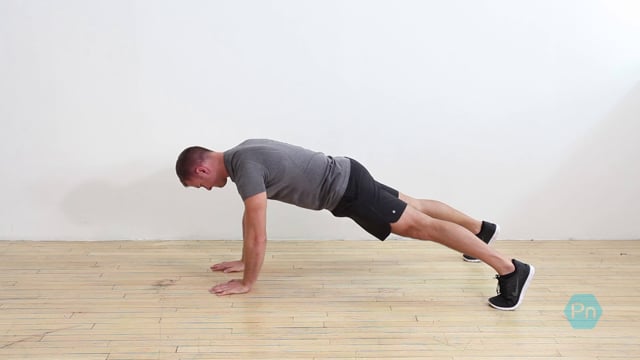
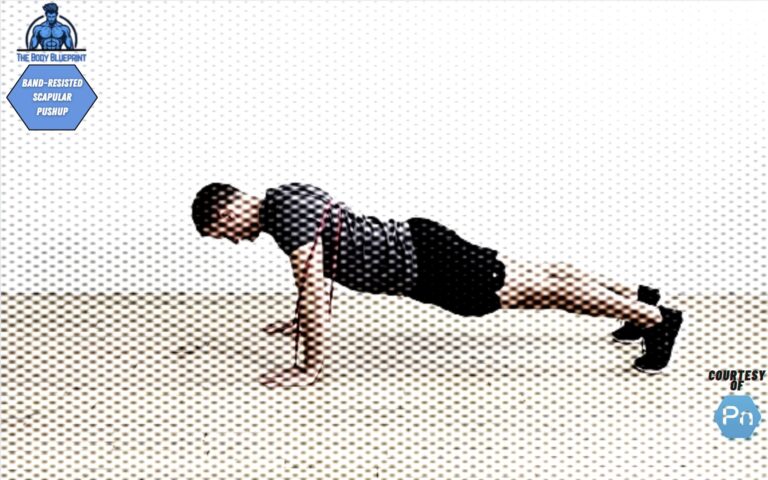
- The Setup: Start in a high plank. Hands shoulder-width. Feet hip-width. Core braced.
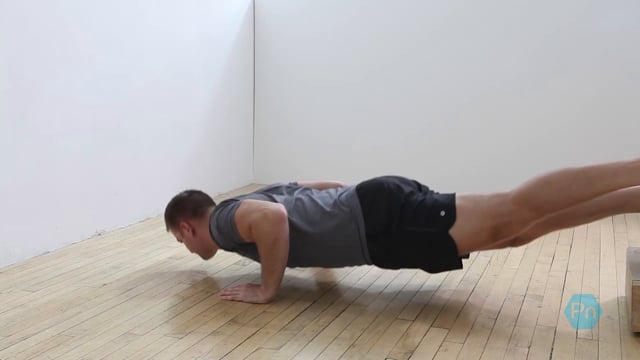
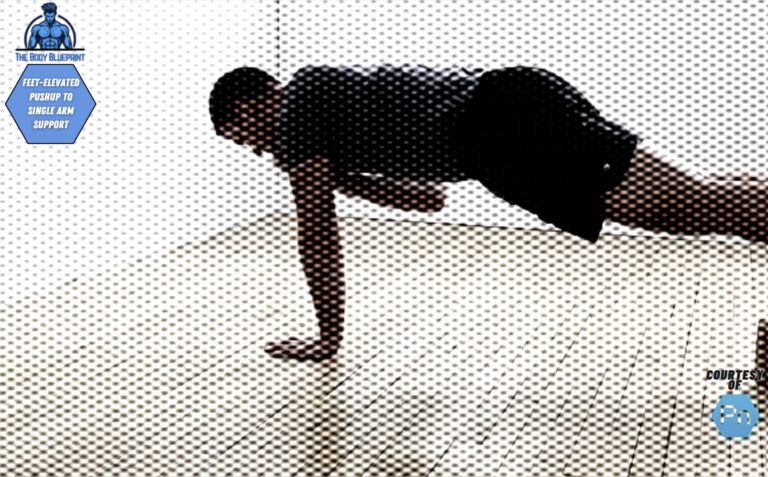
- The Pushup: Lower your chest to the floor. Keep elbows tucked at 45 degrees.
- The Press: Push back up explosively.
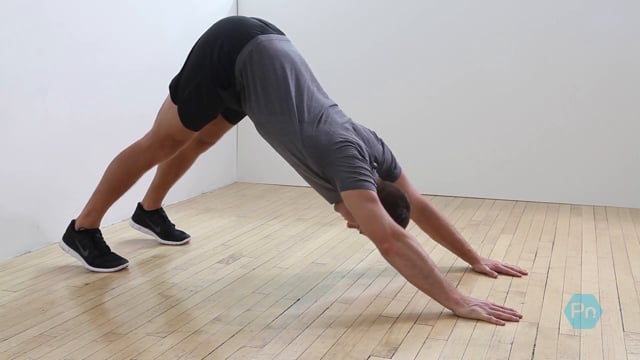
- The Pike: As you lock out, immediately lift your hips to the ceiling (Downward Dog).
- The Drive: Push your chest toward your thighs. Drive your heels toward the floor.
- The Return: Swoop back down to the plank position and repeat.
“Think of pushing the floor away from you at the top. You want to ‘shrug’ your shoulders toward your ears in the pike position. This activates the upper traps and serratus, which stabilizes the shoulder joint.”
— Eugene Thong, CSCS
Common Mobility Mistakes
If you can’t get your hips high, your hamstrings are the bottleneck. Many people round their back because their legs are too tight.
- Bent Knees: Bending knees during the pike reduces the stretch. Fix: Keep legs straight, even if you can’t go as high.
- The Sag: Letting hips drop in the plank. Fix: Squeeze glutes constantly.
- Head Position: Looking up at the hands. Fix: Tuck your chin and look at your toes to open the neck.
Programming & Optimization
Use this exercise as a warm-up (primer) or a finisher, not a max-strength lift. It prepares the body for heavy loading or flushes metabolic waste at the end.
Sample Protocol
| Goal | Sets/Reps | Context |
|---|---|---|
| Warm-Up | 2 x 10 | Before Bench Press or Overhead Press. |
| Active Recovery | 3 x 15 | On off days to improve mobility. |
Performance Stack
Mobility work relies on joint lubrication and tissue quality.
- Joint Support: If your shoulders click, you have inflammation. Primaforce Cissus is excellent for tendon repair.
- Endurance: High-rep bodyweight work burns. Thorne Beta Alanine buffers the lactic acid so you can flow longer.
- Evening Training: If you train late, avoid jitters. Transparent Labs Stim-Free gives focus without the crash.
- Recovery: Repair the tissue post-workout. Labrada Protein Shakes are a convenient option for quick amino delivery.
- Sleep: Tissue heals overnight. Maximize deep sleep with the best sleep supplements.
Tech Alternative
Smart gyms are evolving to track bodyweight movements. If you want to integrate digital coaching into your mobility flows, check our Speediance vs Tonal vs Vitruvian comparison.
The Verdict
The Yoga Pushup is the antidote to the “bench press hunch.” It restores the overhead range of motion that heavy lifting steals. Push up, pike back, and open your shoulders.