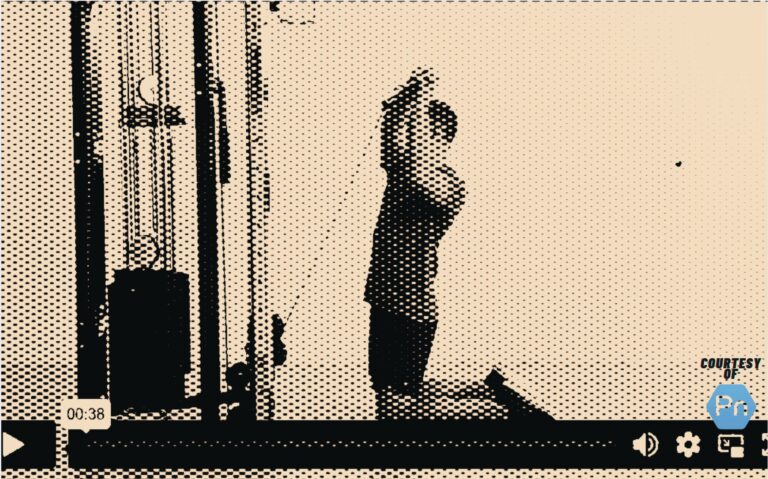
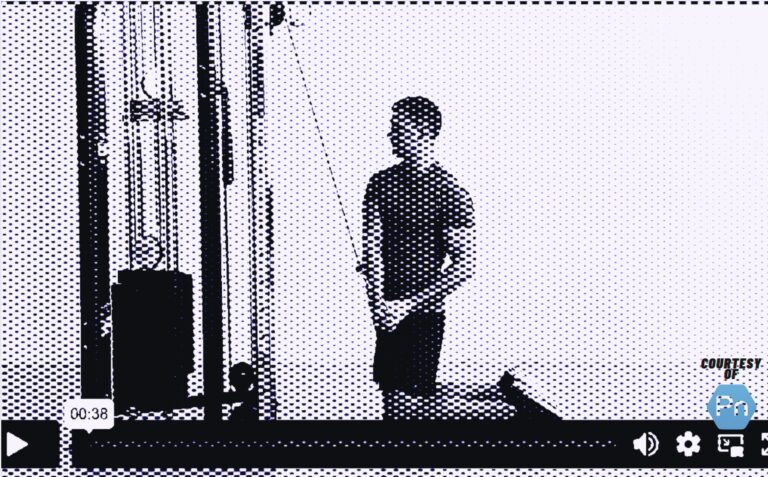
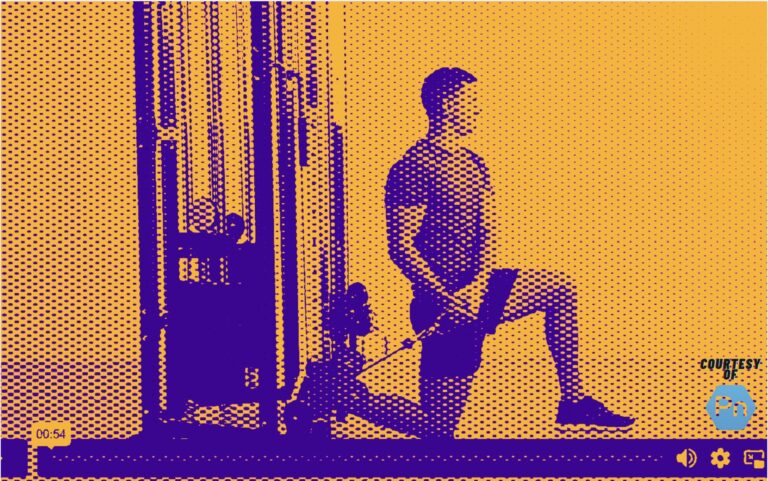
Prone hip external rotation is a targeted isolation drill designed to reinforce the deep lateral rotators and improve the structural integrity of the pelvic floor. Most lifters possess “quiet” glutes that fail to stabilize the femur during high-load hip exercises. By utilizing a prone position, we perform a mechanical audit on your femoral control, forcing the external rotators to engage without the compensatory “cheating” patterns typically found in standing dynamic movement patterns.
Health & Safety: For educational purposes only. Not FDA evaluated. These products and exercises carry inherent risks; results are not guaranteed and vary by individual. Always consult a professional before starting any new diet, supplement, or physical regimen.
Technical Setup: Isolating the Posterior Hip
Effective external rotation requires a neutral pelvis to prevent the lower back from taking over the movement. Lie face down on a firm surface, ensuring your hip bones stay glued to the floor. If you feel your lumbar spine arching, integrate a prone hip flexed rocking drill to reset your positioning. For those with chronic stiffness, utilizing a Hyperice Vyper 3 on the quads beforehand can help eliminate “noisy” tension that blocks proper rotation.
Execution Cues: Engineering Femoral Torque
The goal is to rotate the foot toward the midline without allowing the pelvis to tilt or lift. Many lifters confuse “range of motion” with “quality of motion.” Think of the femur as a pivot point in the Engineering Dept. If your rotation is limited, you’ll see it manifest as a “knee cave” in your goblet squats. Maintain a 90-degree bend at the knee and drive the movement purely from the hip socket. Use a foam roller on the adductors if you feel a “pinch” on the inside of the thigh.
| Mechanical Check | Correction Strategy |
|---|---|
| Pelvic Shifting | Exhale and brace; keep the hip bones heavy on the mat. |
| Hamstring Cramping | Flex the foot; focus on the “back-of-hip” squeeze. |
| Knee Discomfort | Ensure the 90-degree angle is precise; check ankle mobility. |
Fixing Weak Points: Strengthening the Chassis
Poor hip rotation is a primary bottleneck for athletes looking to improve weightlifting weak points. If you cannot rotate the hip externally in a prone position, you will struggle with the lateral drive required for a lateral squat or the stability needed for a bowler squat. To optimize the connective tissue quality, consider joint supplements and consistent foam rolling.
“Mobility without control is just a recipe for injury. The prone external rotation ensures you own every degree of movement you have.” — The Body Blueprint Team
Lexicon of Mechanics: Hip Edition
External Rotation: The outward rotation of the femur within the acetabulum (hip socket).
Prone Position: Lying flat with the chest down and back up—ideal for isolating posterior chain mechanics.
Femoral Control: The ability to stabilize the thigh bone during movement, essential for joint fitness.
Topical Authority: Building a web of related skills like pigeon stretches and hip flexibility to create a bulletproof base.
Rebuild Your Pelvic Foundation.
Stop ignoring the small rotators. Master the prone rotation and unlock the stability that drives massive lifts.