The Iso Push-Up builds raw pressing strength and bulletproof joint stability by eliminating momentum.
This is the 2026 static strength protocol. We’re cutting through the rep-counting nonsense to deliver the isometric hack: how to lock your joints under tension, engineer hypertrophy without movement, and transform a basic push-up into a strength diagnostic. This is the technique you need before you load a barbell.
Disclaimer: You’re here to find a technique that’ll get you results, and I’m here to help. Consult a physician or qualified trainer before attempting new exercises, especially under load. This guide is for educational purposes.
Iso Push-Up: The Static Strength Builder
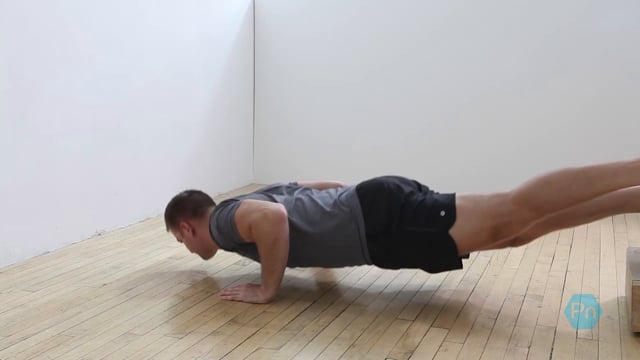
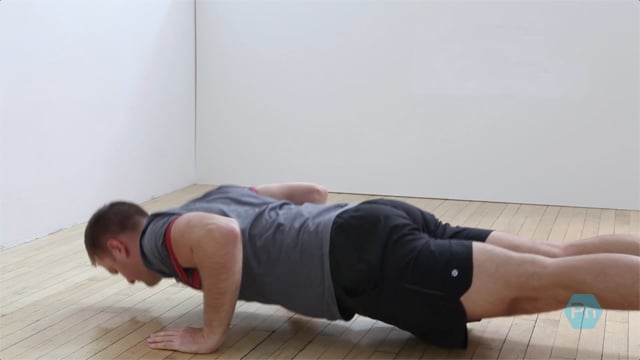
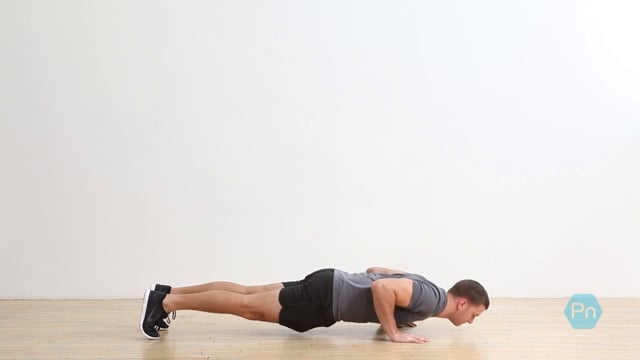
An Iso Push-Up is an isometric hold performed at a specific point in the push-up range of motion, typically the bottom position. Unlike a dynamic rep, there is no movement. You lower with control, pause, and hold against gravity, maximizing time under tension for the chest, triceps, shoulders, and core stabilizers. It turns a bodyweight exercise into a strength and stability drill. For the foundational dynamic movement, master the Standard Push-Up first.
- Core Mechanism: Isometric contraction (muscle fires without changing length).
- Primary Hold Positions: Bottom (chest 1-2 inches off floor), Mid-Range (elbows at 90 degrees), Top (arms extended).
- Key Differentiator: Eliminates the stretch-reflex and momentum, forcing pure strength and control.
Benefits & Science: Why Static Beats Dynamic (Sometimes)
Iso Push-Ups build tendon strength, improve mind-muscle connection, and reveal weak points invisible during fast reps. The benefits are neurological and structural. This isn’t for endurance; it’s for fortification. For a complete upper-body push, pair it with the Dumbbell Bench Press.
1. Strength at Specific Joint Angles
Isometrics increase strength most effectively at the trained joint angle and up to 15 degrees in either direction. Holding the bottom position builds explosive power out of the “sticking point.” This directly translates to stronger bench press lockouts and more controlled push-ups.
2. Superior Tendon & Ligament Stress
Sustained isometric tension places unique, adaptive stress on connective tissues. This strengthens tendons and ligaments, reducing injury risk in shoulders and elbows during heavy pressing. It’s prehab built into your workout.
3. Core & Stabilizer Obliteration
Without momentum, your entire anterior core must fire maximally to prevent sagging or arching. The Wall-Press Abs is a related core-stability drill. An Iso Push-Up is a full-body anti-extension challenge.
4. Mind-Muscle Connection & Weak Point Diagnosis
The burn and shake during a hold diagnose which muscle is failing first. Triceps quivering? Shoulders fatiguing? Chest giving out? The iso hold doesn’t lie. It shows your limiting factor.
“Isometric training, like the Iso Push-Up, is a potent tool for increasing motor unit recruitment and improving stability at a specific range of motion. It’s particularly effective for overcoming strength plateaus, as it allows for high levels of muscular tension without the systemic fatigue of concentric/eccentric cycles. Think of it as skill practice for your nervous system under load.”
— Eugene Thong, CSCS
Step-by-Step Iso Push-Up Technique
Perfect technique in the Iso Push-Up is non-negotiable—form breakdown under static load leads to injury. Follow this checklist. For a visual masterclass, study the instructional video below.
Iso Push-Up Technique: Focus on full-body tension, neutral spine, and controlled breathing during the hold.
The Setup & Execution
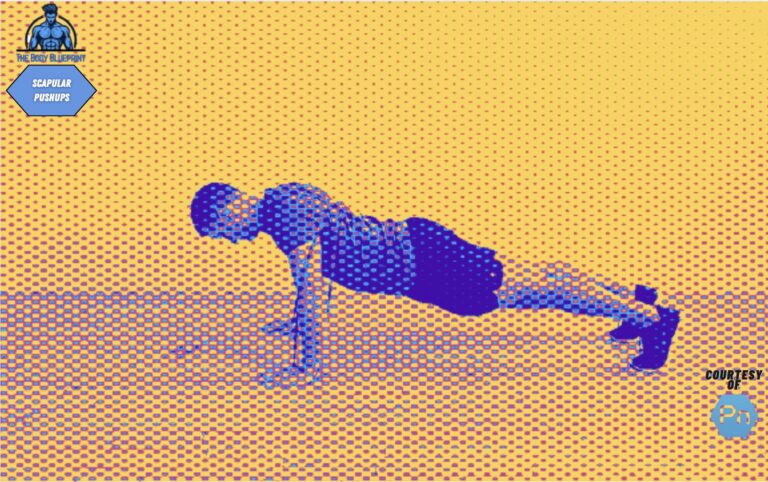
- Start in a Rigid Plank: Hands under shoulders, body straight from heels to head. Engage glutes and brace core as if bracing for a punch. This is your Plank foundation.
- Lower with Control (3-4 seconds): Don’t drop. Keep elbows at a 45-degree angle to your torso. Descend until your chest is 1-2 inches from the floor.
- Initiate the Hold (Pause): Stop all movement. Do not relax into the bottom. Maintain full-body tension.
- Breathe & Brace: Take small sips of air. Do not hold your breath. Keep your ribcage down, core engaged.
- Press Back with Control: After the hold, press back to the start position with power, but without losing form.
Common Form Errors to Nuke
- Sagging Hips: The lower back arches. Fix: Squeeze glutes harder and think about tilting your pelvis backward.
- Shrugged Shoulders: Ears creep toward shoulders. Fix: Actively depress your shoulder blades down your back as you hold.
- Elbow Flare: Elbows point out at 90 degrees. Fix: Keep them at a 45-degree angle to protect shoulders.
- Head Dropping: Looking straight down. Fix: Maintain a neutral neck; look at the floor about a foot in front of your hands.
How to Program Iso Push-Ups: The 2026 Protocol
Program Iso Push-Ups as a strength and stability tool, not a metabolic conditioner. Use them at the start of your workout for neural activation, or after your main lifts for weak-point training. For balanced programming, pair with a pulling exercise like the Bent-Over Dumbbell Row.
1. As a Warm-Up / Activation Drill
- Protocol: 2-3 sets of 15-20 second holds at the bottom position.
- Goal: Prime the nervous system, activate stabilizers, and improve mind-muscle connection before heavy bench or overhead press.
2. As a Primary Strength Builder
- Protocol: 3-4 sets of 30-45 second holds. Rest 90-120 seconds between sets.
- Progression: Add 5 seconds per set each week. When you can hold 60 seconds with perfect form, add external load (weighted vest) or move to a harder variation.
3. As a Finisher / Weak-Point Attack
- Protocol: 2-3 sets of Max Time Holds (until form breaks). Rest 60 seconds.
- Goal: Total muscular fatigue and technique reinforcement. Be ruthless about stopping when form degrades.
Progressions, Regressions & Variations
Scale the Iso Push-Up to your level using inclines, bands, and unstable surfaces. The principle remains: hold with perfect form. For other bodyweight challenges, explore the Burpee or Turkish Get-Up.
Regressions (Easier)
- Incline Iso Push-Up: Hands on a bench, box, or wall. Reduces load. Master the Band-Assisted Pushup dynamic version first.
- Knee Iso Push-Up: Perform the hold from your knees. Focus on maintaining a straight line from knees to head.
Progressions (Harder)
- Weighted Iso Push-Up: Wear a weight vest or have a partner place a plate on your upper back.
- Band-Resisted Iso Push-Up: Loop a resistance band across your back and under your hands. Increases tension at the top. Similar to the Band-Resisted Pushup.
- Ring or TRX Iso Push-Up: Perform the hold with hands in rings or TRX straps. Dramatically increases stability demand for shoulders and core.
- Single-Leg Iso Push-Up: Lift one leg off the ground during the hold. An anti-rotation core challenge, like the Single-Leg Plank.
Integration & Stacking: The Complete Push Blueprint
Stack the Iso Push-Up with dynamic presses, shoulder prehab, and core work for a bulletproof upper body. It’s one tool in the kit. Here’s how to build the session.
Sample Upper Body “Push” Day Integration
- A1. Primary Strength: Barbell Bench Press – 4×5
- B1. Strength-Stability Hybrid: Weighted Iso Push-Up – 3x30s
- C1. Accessory Volume: Triceps Pressdown – 3×12
- C2. Shoulder Health: Banded Face Pull – 3×15
- D1. Core Stability: Dead Bug – 3×10/side
The Mobility & Recovery Stack
Pair intense iso work with mobility for the shoulders and thoracic spine. Post-workout, implement the Cross-Body Lat Mobilization and the Thoracic Mobilization With Bench to maintain healthy movement patterns.
The Bottom Line: Strength is a Skill, Stability is a Practice
The Iso Push-Up isn’t a trick. It’s a fundamental practice in controlling tension. It builds the joint integrity and neural drive that makes every dynamic press stronger and safer. Integrate it, progress it, and own the pause.
Iso Push-Up FAQ
How long should I hold an Iso Push-Up?
Beginner: 15-20 seconds. Intermediate: 30-45 seconds. Advanced: 60+ seconds or with added load. Quality always beats duration.
Should I do Iso Push-Ups every day?
No. Treat them as a strength stimulus. 2-3 times per week within structured workouts is sufficient. Connective tissues need time to adapt.
Is it better to hold at the bottom or the top?
The bottom position is most valuable for building strength out of the sticking point. Mid-range and top holds have value for different goals (triceps lockout, scapular stability).
Why do I shake during the hold?
Shaking indicates high motor unit recruitment and stabilizer muscles working hard. It’s normal. Focus on maintaining position; the shake will lessen as you get stronger.
Can Iso Push-Ups replace regular push-ups?
No. They are complementary tools. Dynamic push-ups build muscular endurance and hypertrophy through a full range of motion. Iso Push-Ups build maximal strength and stability at specific angles. Use both.