Fueling Gains on a Ramen Noodle Budget: The College Student’s Guide to Muscle Meal Prep
For the college student dedicated to gaining muscle, achieving a calorie surplus with quality nutrition is the fundamental challenge, made infinitely harder by a strict budget and limited kitchen access. This guide provides a strategic, science-backed framework for affordable meal prep that prioritizes protein, maximizes every dollar, and fuels serious muscle growth without requiring a chef’s kitchen or a trust fund.
You feel the burn in the gym, the satisfying fatigue that whispers of growth. But back in your dorm or cramped apartment, the reality hits: how do you possibly afford to feed this machine you’re building? The path to muscle is paved not just with iron, but with protein and complex carbohydrates. The perceived cost can be enough to make any student retreat to a diet of cheap carbs and unfulfilled potential.
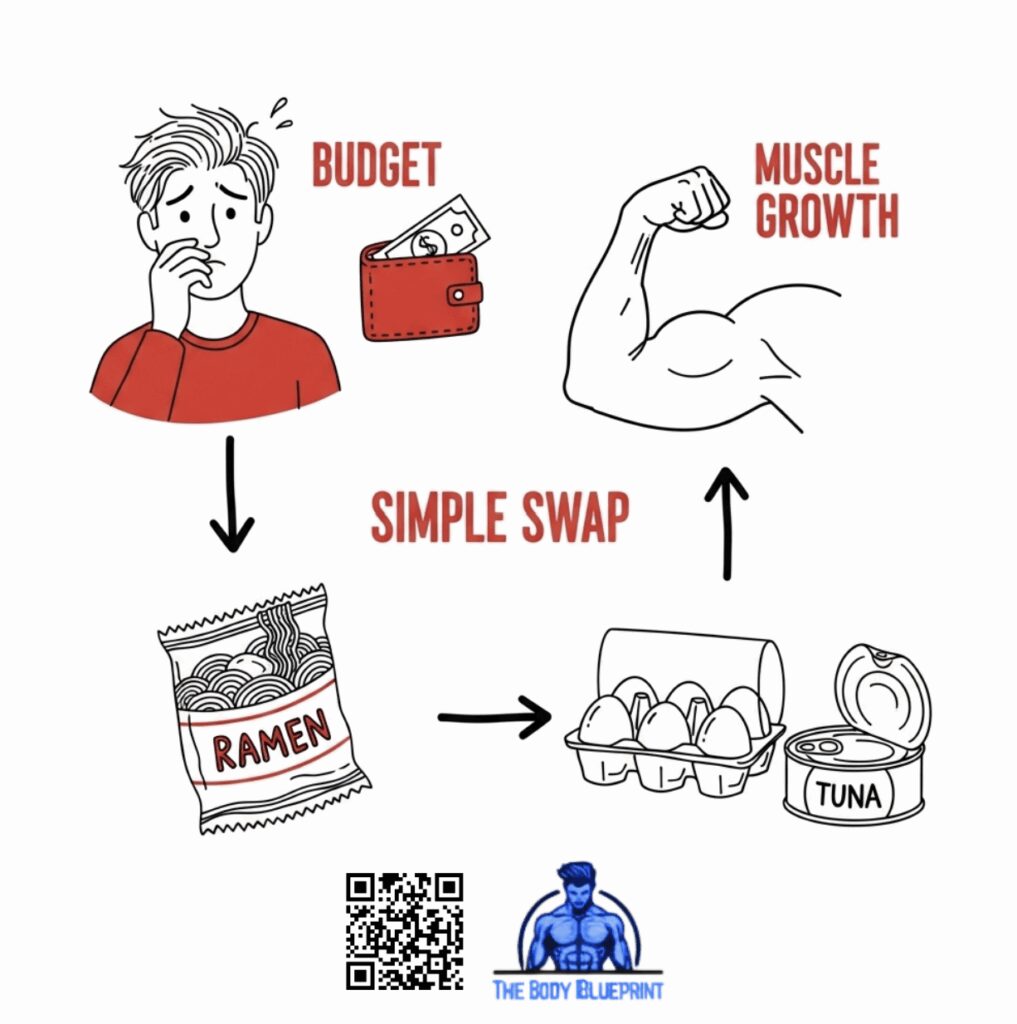
But here’s the secret you can leverage: muscle building is a game of metabolic economics. It’s not about spending more; it’s about spending smarter. It’s about understanding the nutritional cost-of-gains and making strategic investments where they count the most. Let’s break down the blueprint for turning your kitchen—whatever it may be—into a lean, mean, muscle-funding factory.
The Pillars of Budget-Friendly Mass
Forget everything you think you know about “bulking.” This isn’t about eating everything in sight. It’s about targeted nutrition built on three non-negotiable pillars:
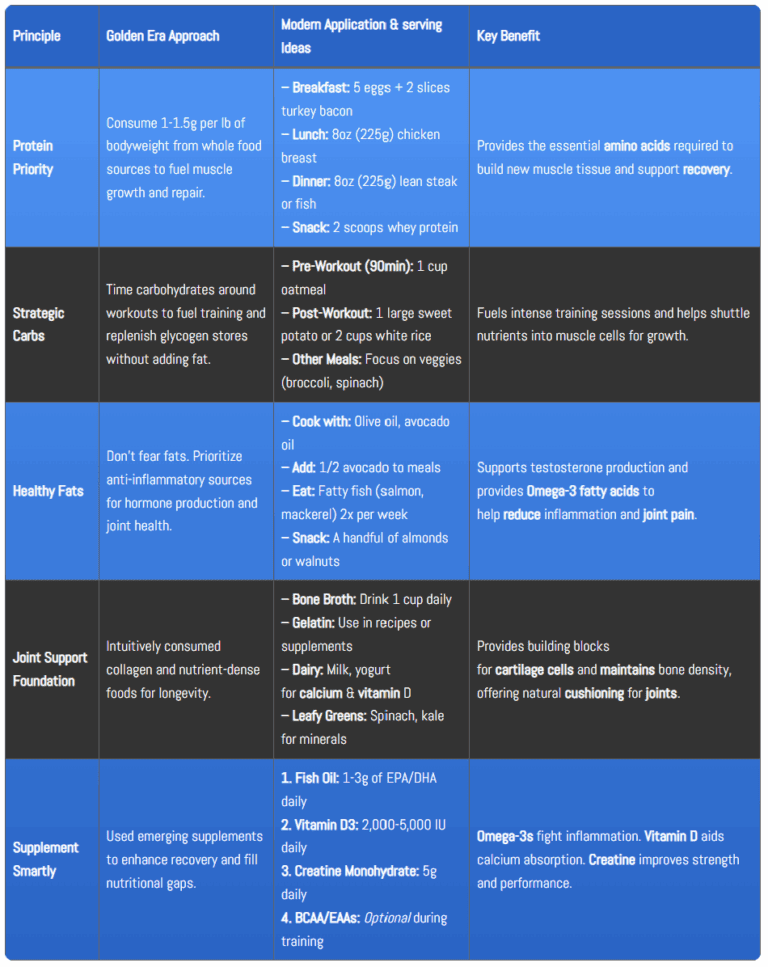
- Protein Priority: Protein provides the amino acids that are the literal building blocks of new muscle tissue. After a workout, your muscles are primed to absorb these nutrients for repair and growth. This is your number one financial priority.
- Calorie Density for Cost-Efficiency: You need to be in a calorie surplus to gain weight. The cheapest calories often come from fats and carbs. The key is choosing the right ones—nutrient-dense carbs like oats and rice and healthy fats like cooking oils and nut butters—that provide energy and support health without breaking the bank.
- Strategic Simplicity: You don’t need 20 ingredients. You need a handful of versatile, cheap staples that can be cooked in bulk and repurposed throughout the week. This minimizes cost, time, and mental energy.
Your Financial Arsenal: The Cheap Muscle-Building Food List
This isn’t just a list; it’s your shopping manifesto. Memorize it.
- Protein (The Main Event):
- Chicken Thighs & Legs: Often 30-50% cheaper than breast, with more flavor and fat for extra calories.
- Ground Turkey or Beef (80/20): Cheap, versatile, and easy to cook in bulk for tacos, pasta sauces, or rice bowls.
- Canned Tuna & Sardines: The ultimate portable, no-cook protein punch.
- Eggs: Nature’s perfect protein. Cheap, versatile, and packed with nutrients.
- Cottage Cheese & Greek Yogurt: Massive protein yields for the price, especially when bought in larger tubs.
- Whey Protein Powder: Cost-effective per gram of protein. It’s a supplement, not a food replacement, but it’s perfect for quick, cheap shakes.
- Carbohydrates (The Fuel):
- Rice (Brown or White): The undisputed king of cheap, bulk calories. A giant bag is a tiny investment.
- Oats: Dirt cheap, packed with fiber, and perfect for breakfast or blending into shakes.
- Potatoes & Sweet Potatoes: Incredibly affordable, filling, and loaded with micronutrients.
- Beans & Lentils (Canned or Dried): Double threat: they provide carbs and a significant amount of plant-based protein.
- Whole Wheat Pasta & Bread: Affordable sources of complex carbs for energy.
- Fats (The Lubricant):
- Cooking Oils (Olive, Canola): Calorie-dense and cheap per serving.
- Peanut Butter: A classic for a reason. Packed with calories, protein, and fat.
- Fruits & Vegetables (The Support System):
- Frozen Varieties: Often cheaper and more nutrient-dense than fresh because they’re frozen at peak ripeness. Perfect for smoothies or steaming.
- Onions, Garlic, Carrots, Celery: Cheap flavor enhancers that make everything taste better.
The Science of the Split: Why Timing Matters (A Little)
You’ve heard of the “anabolic window.” The truth is, for most, it’s more of an “anabolic barn door.” It’s open for hours, not minutes. The latest research suggests your body is most receptive to nutrients for up to 24-48 hours post-workout. This is a liberating fact.
It means you don’t need to panic and chug a protein shake the second you drop the dumbbell. What matters far more is your total daily protein and calorie intake. Focus on hitting your daily targets. As long as you’re spreading your protein intake across 3-4 meals throughout the day, you’re maximizing muscle protein synthesis. Meal prep makes this consistent intake effortless.
Adapting to Your Battle Station: Kitchen Access Tiers
Your kitchen setup dictates your strategy. Here’s how to win with what you have.
Tier 1: The Dorm Room (Mini-Fridge + Microwave)
Your best friends are canned goods, ready-to-eat items, and a good blender bottle.
- Protein: Canned chicken/tuna, pre-cooked hard-boiled eggs, Greek yogurt cups, protein powder that mixes well with water (whey isolate is a good bet).
- Carbs: Instant oatmeal packets, whole wheat bread/bagels, microwavable rice pouches, canned beans.
- Veggies: Baby carrots, pre-cut broccoli florets (eat raw or steam in microwave).
- Pro Tip: You can “bake” a potato or sweet potato by microwaving it for 5-7 minutes. Top with canned chili or Greek yogurt for a complete meal.
Tier 2: The Basic Apartment (Hotplate + Microwave + Mini-Fridge)
You gain the power of boiling and pan-frying.
- Add eggs (hard or soft boil them in a pot), ground turkey (cook in a single pan), and easily steamed frozen veggies to your arsenal.
- A small rice cooker is a game-changing, low-cost investment that automates your carb prep.
Tier 3: The Full Kitchen (Stove + Oven + Full Fridge/Freezer)
You have the full arsenal. The sample plan below is designed for you. Your advantage is bulk cooking and freezing. Cook multiple pounds of chicken or trays of ground turkey at once and freeze portions for future weeks.
A Sample Budget Prep Plan: The “Gain-Train” Weekly Layout
Here’s a practical, actionable plan to get you started for a Tier 3 kitchen.
Goal: ~3,000 Calories, 180g+ Protein
Shopping List:
- 3 lbs Chicken Thighs
- 1 lb Ground Turkey
- 1 dozen Eggs
- 1 large tub Greek Yogurt
- 1 bag Rice
- 1 container Oats
- 2-3 Sweet Potatoes
- Frozen Broccoli
- Onions, Garlic
- Basic spices (Salt, Pepper, Paprika, Chili Powder)
Prep Day (Sunday – 90 minutes):
- The Protein: Season chicken thighs with salt, pepper, and paprika. Bake at 375°F (190°C) for 35-40 minutes. Simultaneously, brown the ground turkey with diced onions and garlic, seasoning with chili powder for a taco-style flavor.
- The Carbs: Cook 3-4 cups of dry rice in a rice cooker or pot. Wash and poke sweet potatoes, then microwave for 5-7 minutes each until soft (or bake if you have time).
- The Veggies: Portion out frozen broccoli—it can be steamed quickly each night.
Your Weekly Meal Matrix:
| Meal Time | Option 1 | Option 2 | Option 3 |
|---|---|---|---|
| Breakfast | 1 cup oats + 2 scoops protein powder | 4-egg scramble + whole wheat toast | Greek yogurt + mixed nuts |
| Lunch | Chicken thigh + 1 cup rice + broccoli | Ground turkey rice bowl with salsa | Canned tuna mixed with mayo on bread |
| Dinner | Ground turkey + sweet potato + veg | Large portion of chicken + rice | “Cheat Meal”: Big pasta with meat sauce |
| Snack/Shake | The Weight-Gainer Shake: 1 cup milk, 1/2 cup oats, 1 scoop protein, 1 tbsp peanut butter (Blended) | Cottage cheese with fruit | Handful of almonds and an apple |
Sustaining the Gains: Variety and Convenience
The sample plan is a template, not a life sentence. The key to long-term adherence is strategic variation.
- Swap Your Proteins: Use the same prep method for pork shoulder, different cuts of chicken, or even a large batch of black beans for a plant-based protein day.
- Rotate Your Carbs: Swap rice for quinoa, pasta, or different types of potatoes.
- Change Your Veggies and Sauces: Alternate between frozen broccoli, green beans, and mixed peppers. A new sugar-free BBQ sauce, hot sauce, or spice blend can make the same chicken taste completely different.
The “No-Prep” Emergency Plan
Some weeks, life happens. When you can’t meal prep, your fallback plan is crucial.
- Dining Hall: Load 2/3 of your plate with lean protein (grilled chicken, beef) and complex carbs (rice, potatoes). Use the salad bar for fresh veggies and hard-boiled eggs.
- Convenience Store/Grocery: Grab a rotisserie chicken, pre-cooked hard-boiled eggs, Greek yogurt, canned tuna kits, milk, and nuts. You can assemble a high-protein meal in minutes.
- The Ultimate Backup: Always have a tub of protein powder and a jar of peanut butter. A shake is always better than skipping a meal.
The Mindset of a Master: Beyond the Food
This final piece is what separates those who try from those who transform. You are not just eating; you are fueling a purpose. Every container you pack is a direct investment in the person you are becoming. That chicken and rice isn’t bland; it’s efficient. That shake isn’t a chore; it’s liquid gainz.
You are practicing a form of financial judo, using the leverage of knowledge and preparation to overcome the obstacle of a limited budget. You’re not missing out; you’re opting in to a higher level of discipline and results. This is the real-world application of your education—the science of your own body. Now, go feed it.