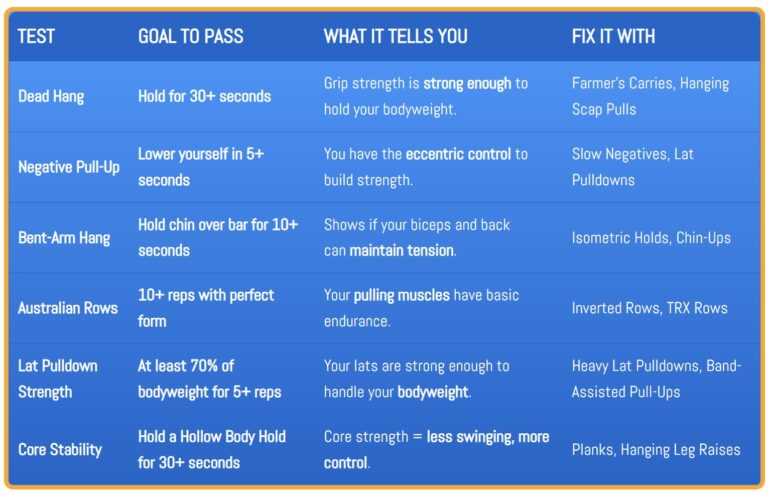
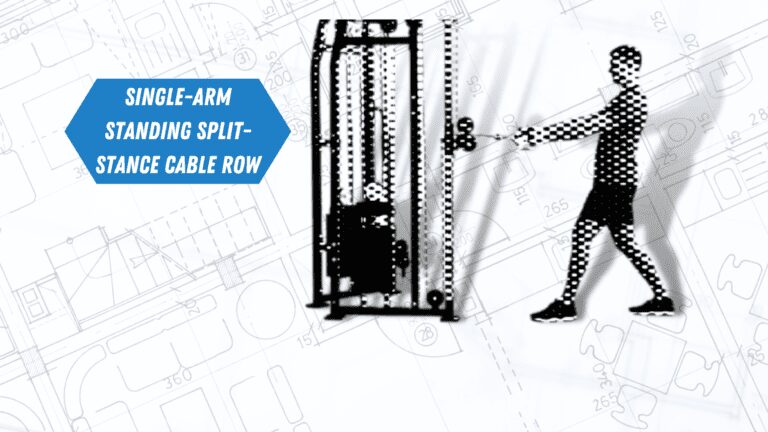
The Lat Pulldown is the gold standard for building back width and achieving the elite V-taper aesthetic that defines a powerful physique. This is the 2026 movement blueprint for back development. We’re breaking down the mechanics that separate the pros from the people just swinging weight with their biceps. If you want a back that dominates the room and a frame that makes your waist look half its size, you need to master the vertical pull.
Disclaimer: Consult a physician or qualified trainer before starting any new exercise. This guide is for educational purposes, focusing on performance and aesthetic optimization.
Lat Pulldowns: The Foundation of Vertical Pulling
The Lat Pulldown is a compound vertical pulling movement that primarily targets the latissimus dorsi, the largest muscles in your back. Unlike bodyweight pulling movements, the cable system allows for precise load management, making it an essential tool for both beginners and advanced lifters. It bridges the gap between basic motor control and high-level strength building.
- Primary Muscles: Latissimus Dorsi (Lats), Teres Major, Rhomboids, Biceps.
- Equipment Needed: Lat Pulldown Machine or Cable Station.
- Skill Level: Beginner to Intermediate.
- Key Purpose: Build upper back width, improve posture, and develop pulling mechanics.
Lat Pulldown instructional video. Focus on the elbow drive and controlled eccentric.
Why the Pulldown is Non-Negotiable for Performance
Vertical pulling is a fundamental human movement pattern that is often neglected in a desk-bound society. By mastering this, you counteract the “hunched” posture and build a resilient upper body. For those chasing absolute strength, this is the primer for a heavy Barbell Deadlift.
- Maximum Hypertrophy: The cable provides constant tension, forcing the lats to work through the entire range—something dumbbells can’t match.
- Shoulder Health: Proper pulldown mechanics encourage scapular downward rotation, which is vital for shoulder stability.
- V-Taper Aesthetics: Building the lats creates width at the top of the frame, making the waist look tighter and more athletic.
- Grip Strength Development: Heavy pulling naturally builds grip strength, which translates to every other lift in the gym.
Step-by-Step Form: The Elite Checklist
Perfect form is the difference between back growth and bicep tendonitis.
- Setup: Adjust the thigh pads so your legs are locked in. This provides the “anchor” needed to pull heavy weight without being lifted off the seat.
- The Grip: Use a grip slightly wider than shoulder-width. Think “hooks,” not “hands”—use lifting straps if your grip is the bottleneck.
- The Initial Move: Depress your shoulder blades first. Do not pull with the arms until your scapulae are set down and back.
- The Pull: Drive your elbows down toward your hips. Pull the bar to your upper chest while slightly leaning back (about 10-15 degrees).
- The Eccentric: Control the weight on the way up. Do not let the stack “crash.” Stretch the lats at the top of every rep.
“The most common mistake I see is ‘bicep pulling.’ If your forearms are doing the work, your lats are sleeping. Imagine your hands are merely hooks and you are driving your elbows into your back pockets. This tactile cue is what builds a championship back.”
— Eugene Thong, CSCS
3 Common Form Mistakes & How to Fix Them
Sloppy reps lead to stagnant results. Fix these biology-killers immediately.
1. Behind the Neck Pulls
The Mistake: Pulling the bar behind the head, which places the shoulder in a compromised, vulnerable position.
The Fix: Always pull to the upper chest. If you can’t, the weight is too heavy or your thoracic mobility is lacking.
2. Using Excessive Momentum
The Mistake: Swinging the torso back and forth to “cheat” the weight down.
Cheating is for people who want small backs. Keep the torso relatively still. If you have to swing, you aren’t training lats; you’re training ego.
3. Short-Changing the Stretch
The Mistake: Stopping the rep halfway up to stay in the “tension” zone.
The Fix: Fully extend the arms at the top. The lats grow best when they are stretched under load.
“From a metabolic perspective, high-volume pulling creates significant oxidative stress. You need to buffer this with high-quality amino acids and Omega-3s to manage systemic inflammation. If you aren’t recovering, you aren’t growing.”
— Charles Damiano, B.S. Clinical Nutrition
Programming for Mass & Strength
Lats are big muscles; they can handle—and require—significant volume.
- Hypertrophy Focus: 3-4 sets of 10-12 reps. Focus on the 3-second negative.
- Strength Focus: 4-5 sets of 6-8 reps. Heavy load, 2-minute rest.
- Metabolic Finisher: 2 sets of 15-20 reps with a neutral grip.
Key Variations to Target Weak Points
- Close-Grip Neutral Pulldown: Targets the lower lats and improves the “thickness” of the mid-back.
- Single-Arm Pulldown: Excellent for fixing imbalances. Pair this with a Single-Arm Dumbbell Row for total back mastery.
- Straight Arm Pulldown: A great functional isolation move to teach lat recruitment without bicep involvement.
The Bottom Line: Master the V-Taper
The Lat Pulldown isn’t just a machine in the corner; it’s your primary weapon for building a wide, powerful frame. Use perfect mechanics, own the eccentric, and supplement with clean protein to seal the gains. Width is earned, not given.
Lat Pulldown FAQ
Should I use a wide or narrow grip?
A wide grip targets the outer lats for width, while a narrow neutral grip often allows for more weight and targets the mid-back and lower lats. Use both in your training cycle.
How often should I train my lats?
2-3 times per week is ideal for most. Ensure you have 48 hours of recovery between heavy sessions.
What if I can’t feel my lats working?
Lighten the weight and focus on the “elbow drive.” If you still struggle, try a Single-Arm Standing Band Row to build the mind-muscle connection first.