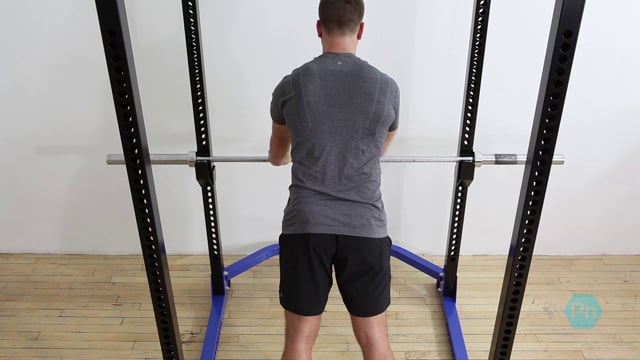
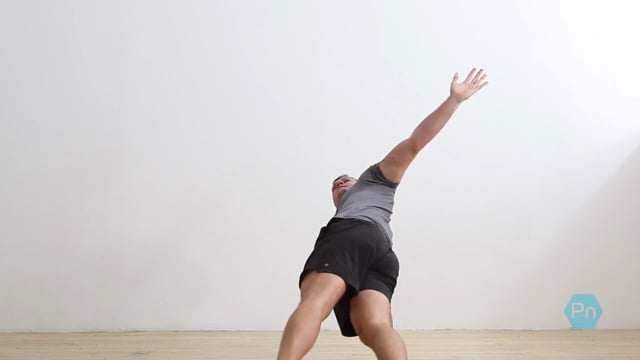
Weighted Ring Pushups are an advanced upper-body compound movement that forces maximum pectoral hypertrophy and elite shoulder stability through high-tension instability. Floor pushups eventually hit a wall where you’re just training for endurance. This variation shatters that plateau. By adding the raw load of a weight vest to the chaos of gymnastic rings, you force your stabilizers to fire or fail. If you want a chest carved from granite and shoulders that actually work, stop chasing high-rep sets on stable ground. Master the rings, or stay stuck.
What Are Weighted Ring Pushups? (And Why We Love This Movement)
Weighted Ring Pushups combine the instability of gymnastic rings with progressive resistance. Unlike a barbell bench press, the rings are not fixed. They move in three dimensions, forcing your nervous system to recruit a massive amount of motor units just to stay balanced. When you add a weight vest or plates, you create a perfect storm for muscle growth.
This movement is unique because it allows for natural humeral rotation. Your wrists and elbows can move in their strongest, most pain-free path. It attacks the pectorals in a deep stretch—the most growth-conducive part of the rep—while demanding elite grip strength.
Video: Proper Ring Pushup Mechanics. Note the stability of the rings and the full range of motion at the bottom of the rep.
How to Perform Weighted Ring Pushups (The Technical Checklist)
Setup: Suspend the rings so they are 4-6 inches off the floor. Don a secure weight vest. If using a plate, have a partner place it across your shoulder blades once you are in a plank.
The Phases of the Rep:
- The Hold: Grip the rings tight. Maintain a neutral palm position. Your body must be a straight line from head to heel. Squeeze your glutes to lock your pelvis.
- The Descent: Lower your chest below the level of your hands. Let the rings drift slightly outward to accentuate the stretch. This is where joint health is tested.
- The Drive: Press back up. At the top, rotate the rings so your palms face forward (Rings Turned Out). This creates a peak contraction that floor pushups cannot replicate.
If you find the instability too much, regress to pushup to single arm support on the floor to build your foundation.
The Force Multiplier™ Framework
🔬 The Force Multiplier™ Framework
Instability acts as a multiplier for intensity. When you perform compound exercises on rings, your muscles spend more time under tension just fighting for balance. This increases the metabolic stress on the muscle fibers.
Supplementing with citrulline malate can help manage the intense pump and waste clearance during these high-tension sets. For better focus during these complex moves, explore our guide to best nootropics for men to keep your mind locked on the movement path.
Common Ring Pushup Mistakes and How to Fix Them
| Mistake | Why It’s Wrong | The Fix |
|---|---|---|
| Sagging Hips | Kills the line of force and strains the lower back. | Engage your core. See our core exercises guide for better plank stability. |
| Flaring Elbows | Places unnecessary shear force on the shoulder joint. | Keep elbows at 45 degrees. Use foam rollers on lats to ensure mobility. |
| Lack of “Turn Out” | Missing the peak bicep and inner chest contraction. | Consciously rotate palms forward at the top of every rep. |
Programming Weighted Ring Pushups for Strength
Treat this as a primary or secondary pressing movement.
- As a Main Lift: 5 sets of 5 reps with a heavy vest. This builds raw strength and power.
- For Mass: 3‑4 sets of 10‑12 reps. Focus on a 3-second descent to maximize micro-tears in the muscle. Pair with proper protein intake.
- Pre-exhaust: Do bodyweight sets before barbell work to wake up the stabilizers.
Consider using beta-alanine to push through the final high-rep sets where the burn becomes the limiting factor.
Who Should Do Weighted Ring Pushups?
| Ideal Candidate | Benefit | Who Should Avoid | Reason |
|---|---|---|---|
| The Advanced Athlete | Adds a layer of explosive power and complexity. | The Beginner | Risk of injury due to lack of baseline stability. Start with bodyweight basics. |
| The Home Gym Owner | Best “bang for your buck” upper body tool with minimal gear. | The Acute Injury Sufferer | Shoulders need to be 100% before adding load to rings. |
Weighted Ring Pushups: Your FAQ
A: They are different. Bench allows for more absolute load, but rings offer better range of motion and stabilizer recruitment. Both belong in a hypertrophy program.
A: If you can perform 15 clean, slow bodyweight ring pushups with the “turn out” at the top, you are ready to add a vest.
A: No. These are taxing on the central nervous system. Treat them like heavy squats. Ensure quality sleep for recovery.
Final Verdict: The Apex of Pressing
Weighted Ring Pushups will humiliate you before they build you. They expose every weakness in your shoulder girdle and core. But for those willing to embrace the instability, the rewards are unmatched chest thickness and bulletproof joint health.
Stop doing what is easy. Get on the rings. Add the weight. Move better.
Use this if: You want a high-performance chest that functions as good as it looks.
Skip this if: You prefer the safety of machines and aren’t interested in elite calisthenic strength.
For more movement mastery, check out our full bodyweight exercise library and our strength training guides.
Build the Blueprint for Performance.
Strength isn’t just about the weight on the bar. It’s about how you control that weight in space. Master the rings, master your body.
The Performance Lexicon: Ring Mastery
- Humeral Rotation
- The rotation of the upper arm bone. Proper rotation during pressing protects the rotator cuff.
- Unstable Surface Training (UST)
- Training on surfaces like rings or BOSU balls to increase muscle activation. Rings are the gold standard for upper body UST.
- Mechanical Tension
- The force that stretches a muscle under load. This is the primary driver of hypertrophy in compound exercises.
- Stabilizer Recruitment
- The activation of smaller muscles that support the main movers. Essential for long-term joint health and neurological efficiency.