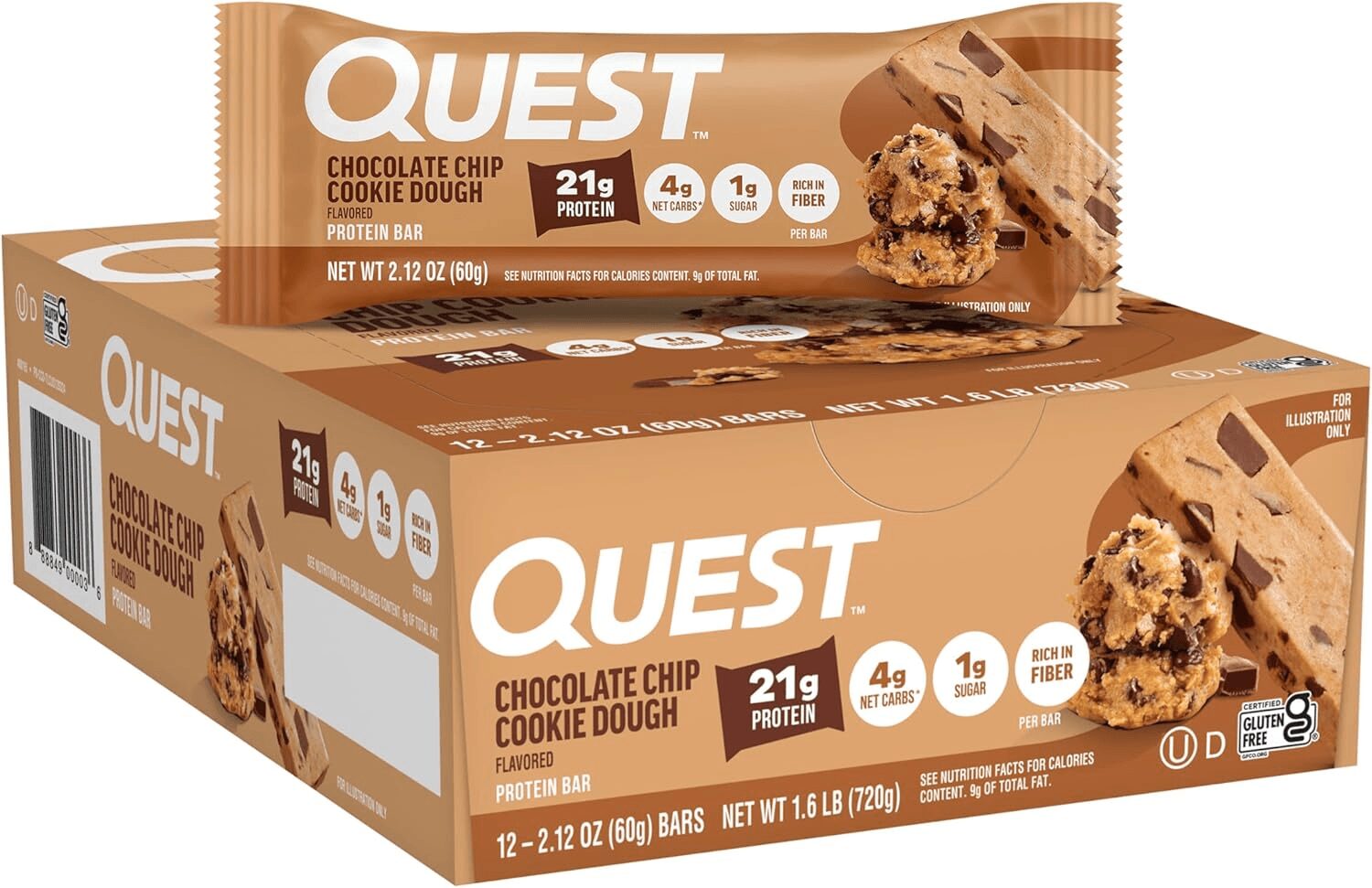
Quest Protein Bars remain the undisputed biological standard for low-sugar, high-protein convenience. While the market is flooded with glorified candy bars masquerading as health food, Quest relies on a highly filtered milk and whey isolate matrix to deliver 21g of protein with only 1g of sugar. We analyzed the macronutrient ratios, the soluble fiber sources, and the realistic gastrointestinal outcomes to determine if this engineered fuel belongs in your daily performance stack.
The Fine Print (Affiliate & Medical): As an Amazon Associate, I earn from qualifying purchases at no extra cost to you.
Medical Disclaimer: This guide is strictly for educational purposes, based on a technical analysis of macronutrient engineering and sports nutrition. Always consult a qualified professional before significantly altering your dietary intake.
Quest Protein Bars Formula: The Isolated Protein Advantage
The protein bar industry is notorious for utilizing cheap soy proteins and massive amounts of sugar to mask chemical tastes. Quest changed the paradigm. They rely on a custom blend of Milk Protein Isolate and Whey Protein Isolate. This ensures a complete, bioavailable amino acid profile that actually triggers muscle protein synthesis, rather than just acting as a heavy filler.
To achieve the sweet taste without the glycemic spike, Quest leverages a combination of erythritol, stevia, and a massive dose of soluble corn fiber. This creates their signature “net carb” ratio, allowing you to consume a dessert-like bar without derailing a strict ketogenic or cutting protocol.
“Quest Bars are an engineering marvel of modern food science. They deliver isolate-quality protein wrapped in a massive fiber payload. However, you must view them as a functional supplement, not a whole food replacement.”
— Charles Damiano, B.S. Clinical Nutrition
Ingredient Breakdown: Quest Bar Realities
Functional foods always require biological trade-offs. Here is what you are actually trading when you rely on Quest for convenience.
The High-Performance Pros
- Pristine Macros: Yielding 20-21g of high-quality isolate protein for only roughly 180-200 calories is mathematically elite.
- Low Glycemic Impact: With only 1g to 2g of actual sugar and 4g of net carbs, these will not spike your insulin and crash your energy levels mid-day.
- Satiety Factor: The heavy dose of soluble corn fiber (13-15g) expands in the gut, making these incredibly effective at killing hunger during a deep caloric deficit.
The Biological Cons
- Gastrointestinal Distress: 15g of soluble corn fiber combined with sugar alcohols (erythritol) can cause severe bloating and gas in individuals with sensitive digestive tracts.
- Texture Fatigue: Unheated, the heavy fiber matrix gives the bars a dense, chewy, almost taffy-like texture that can cause jaw fatigue. (Pro tip: Microwave them for 10 seconds).
Macronutrient Comparison: Quest vs. The Field
When you strip away the branding and look purely at the caloric math, Quest’s dominance becomes apparent.
| Metric (Per Bar) | Quest Protein Bar | Gatorade Recover Bar |
|---|---|---|
| Total Calories | 190 | 350 |
| Protein Yield | 21g (Isolate Blend) | 20g (Whey Concentrate) |
| Total Sugar | 1g | 28g |
| Dietary Fiber | 14g | 2g |
| Biological Goal | Lean Mass / Cutting | Caloric Refuel / Weight Gain |
Expert Quest Bar FAQ: Digestion and Keto
- Are Quest Bars actually Keto-friendly?
- Yes. By utilizing a high-fiber matrix and erythritol, they keep their “net impact carbs” to roughly 4g per bar. This will generally not be enough to kick a strict dieter out of ketosis, making them a safe emergency travel snack.
- Why do Quest Bars cause bloating?
- The primary culprit is the 14g of soluble corn fiber combined with sugar alcohols. While excellent for satiety and blood sugar control, this combination ferments in the gut. If you are not used to high-fiber diets, limit yourself to one bar per day.
- Can I use a Quest Bar immediately post-workout?
- You can, but it is not optimal. While the whey isolate digests rapidly, the massive 14g fiber payload significantly slows down gastric clearance. A pure liquid whey isolate shake is superior for immediate post-training amino acid delivery.
Final Verdict: Should You Buy Quest Protein Bars?
Quest Protein Bars are a triumph of macro-engineering. If your goal is to hit a 180g daily protein target without drinking endless liquid shakes, these are the most reliable, clean-protein tool in the modern supplement arsenal. They are not designed to replace wild-caught salmon or steak, but as a hyper-convenient, low-sugar bridge between meals, they are unparalleled.
Verdict: The Low-Sugar Standard
For pristine macronutrients, elite protein sourcing, and zero glycemic spikes, Quest Protein Bars remain the industry benchmark.
The Supplement Lexicon: Bar Edition
- Soluble Corn Fiber
- A prebiotic dietary fiber that resists digestion in the small intestine. It provides the dense, chewy structure of the bar and helps regulate blood sugar, but can cause fermentation and bloating in high doses.
- Erythritol
- A sugar alcohol used to sweeten the bar. Unlike other sugar alcohols (like maltitol), erythritol has almost zero calories and does not typically cause a massive glycemic response.
- Net Carbs
- The total amount of digestible carbohydrates. It is calculated by subtracting dietary fiber and sugar alcohols from the total carbohydrate count, giving you the actual biological carb load.