The best protein for cutting phase is not about mass gain. It is about muscle preservation. When calories drop, your body looks for fuel. Protein tells it to burn fat, not muscle. Whey isolate, casein, and plant blends each play a role. But you need the right tool for the job. Low calories. High leucine. Slow digestion for hunger control. We analyzed the top contenders. This guide delivers the iron truth on which protein keeps you full, hard, and shredded without wasting a single calorie.
Health & Safety: For educational purposes only. Statements have not been evaluated by the FDA. These products are not intended to diagnose, treat, cure, or prevent any disease. Always consult a professional before starting any new diet or supplement regimen.
Why Protein Is Non‑Negotiable in a Cut
Calorie deficits trigger muscle loss. Your body does not care about your bench press. It sees low energy and starts scavenging. Protein is the signal that says keep the muscle, burn the fat.
Three reasons protein wins during cutting:
- High thermic effect: Digesting protein burns 20‑30% of its calories. Carbs and fat burn 5‑10%. You net fewer calories.
- Satiety control: Protein kills hunger better than carbs or fat. A protein shake between meals stops the fridge raids.
- Muscle preservation: Adequate protein + resistance training = your body spares lean mass even in a steep deficit.
“In a cut, protein is not a supplement. It is a shield. Every gram you eat is a vote to keep your hard‑earned muscle. Skimp on it, and you will look smaller, not leaner.”
Charles Damiano, B.S. Clinical Nutrition
For a complete overview, see our best protein powder guide and the best whey for fat loss deep dive.
Cutting Protein Types: Which One Fits Your Goal
Not all proteins work the same in a deficit. Here is how the major types stack up.
| Type | Protein/Serving | Calories | Digestion Speed | Best Cutting Use |
|---|---|---|---|---|
| Whey Isolate | 25g | ~100-120 | Fast (30-60 min) | Post‑workout, immediate recovery |
| Micellar Casein | 24g | ~120 | Slow (4-6 hours) | Before bed, between meals |
| Plant Protein Blend | 20-25g | ~110-140 | Moderate | Vegan cutting, digestive comfort |
For more detail on whey protein types and how they compare to plant protein, read our side‑by‑side.
Whey Isolate: The Cutting Workhorse
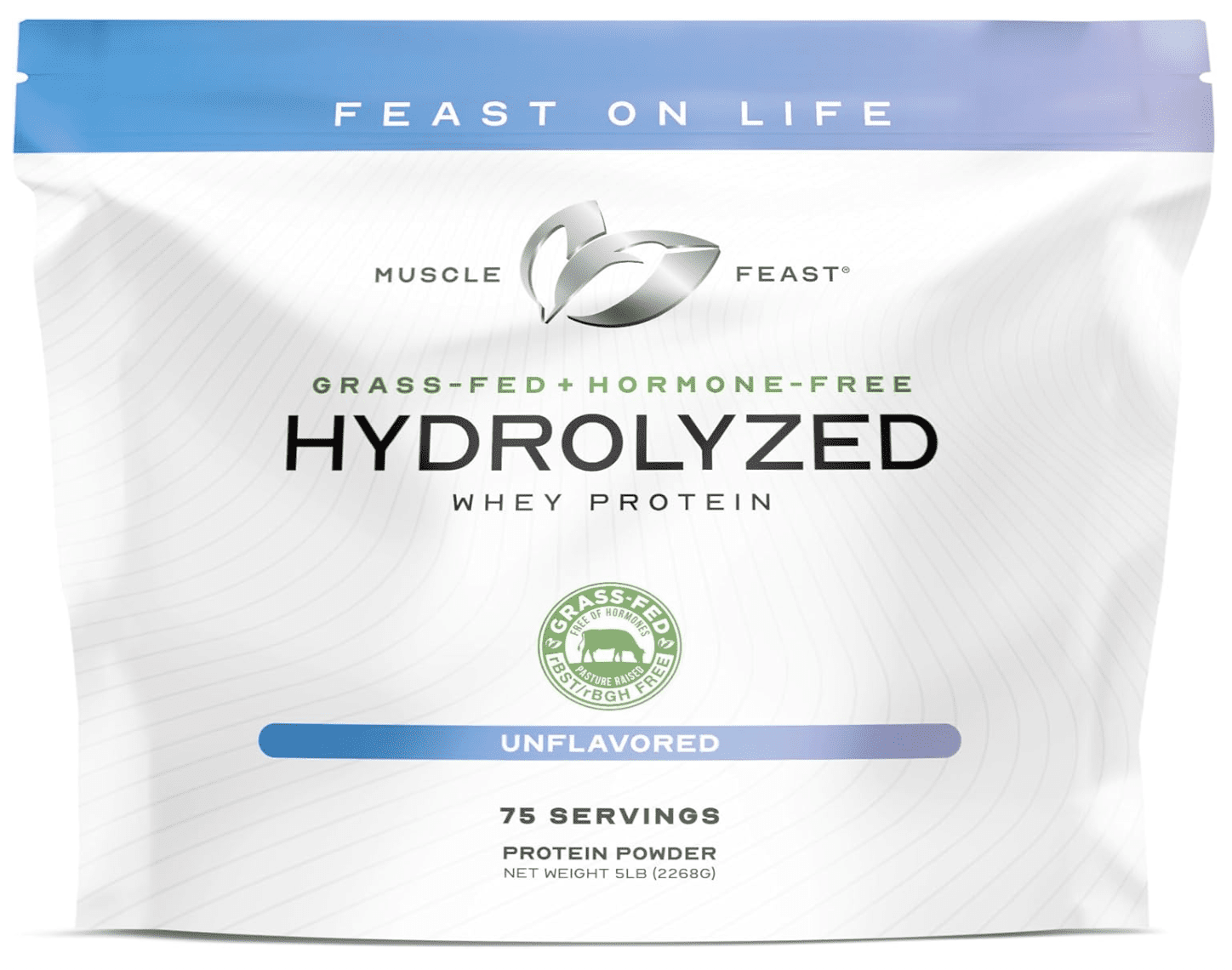
Whey isolate is stripped of fat and lactose. You get 90%+ protein by weight. Low calories. High leucine. Fast absorption. It is the default choice for post‑workout cutting.
- Top pick: Dymatize ISO100 – 25g protein, 110 calories, incredible flavor.
- Budget isolate: Nutricost Whey Isolate – unflavored or chocolate, low cost per serving.
- Best for purity: Muscle Feast Hydrolyzed – no fillers, third‑party tested.
Micellar Casein: The Night Shift
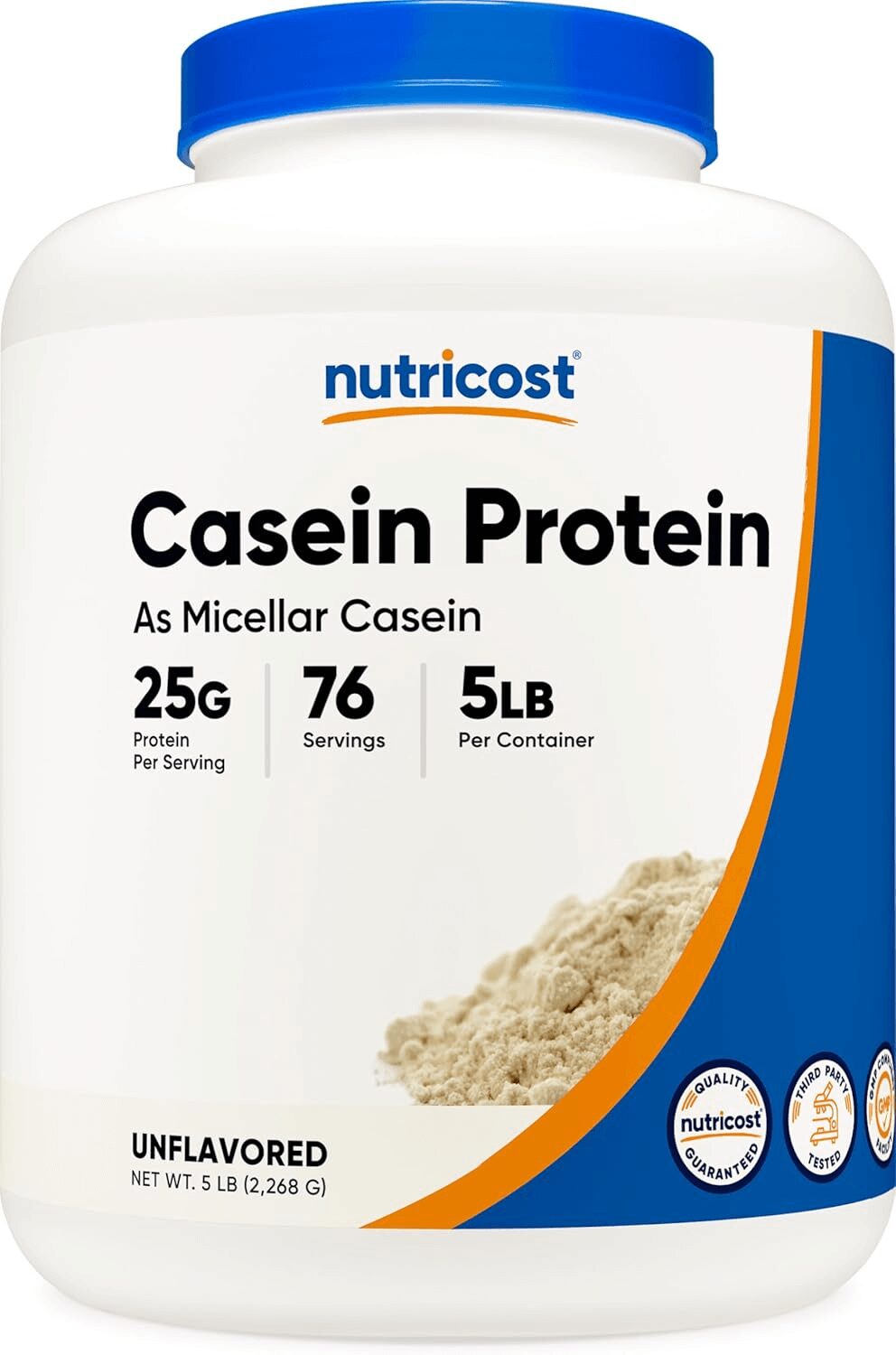
Casein clots in the stomach. It digests slowly, releasing amino acids over 4‑6 hours. That makes it perfect for cutting. A slow drip kills late‑night hunger and feeds muscle while you sleep.
- Top pick: Levels Micellar Casein – grass‑fed, no artificial junk.
- Budget casein: Nutricost Micellar Casein – plain but effective.
- Best for pudding: Mix casein with less water. It turns into a thick, high‑protein snack that crushes cravings.
Plant Protein: The Dairy‑Free Cutter
Plant proteins work if you blend sources. Rice + pea = complete amino profile. They are often lower in leucine, so look for added leucine or higher doses. The benefit: zero bloat for sensitive lifters.
- Top pick: Isopure Plant Protein – 25g protein, leucine‑fortified.
- Best value: Olympian Labs Beef Protein – not plant, but dairy‑free and highly anabolic.
- Budget blend: Nutricost Plant Protein – pea + rice, no sucralose.
Cutting Proteins: Pros & Cons
- Pros:
- High protein per calorie – ideal for deficits.
- Supports muscle preservation during fat loss.
- Casein controls hunger for hours.
- Whey isolate digests fast for post‑workout.
- Plant options solve dairy issues.
- Cons:
- Some isolates taste bitter or mix poorly.
- Casein can cause bloating in sensitive users.
- Plant proteins often need larger scoops for same leucine.
- Quality varies widely – stick to tested brands.
Cutting Phase Protein: The Raw Truth
A: Both. Use whey isolate post‑workout for fast absorption. Use micellar casein before bed or between meals for hunger control. They are complementary tools, not competitors.
A: Aim for 2.2‑2.6g per kg of body weight (1‑1.2g per lb). That is higher than maintenance. The extra protein helps spare muscle. Spread it across 4‑5 meals.
A: No. Whole food provides micronutrients and satiety that shakes lack. Use shakes to supplement meals, not replace them. One or two shakes per day is plenty.
A: It can be, but you need a complete amino blend. Look for pea + rice combinations with added leucine. Whey still has a slight edge on MPS stimulation per calorie.
Final Verdict: Choose Your Cutting Weapon
Best protein for cutting phase depends on your schedule and digestion.
- For post‑workout: Whey isolate – Dymatize ISO100 or Muscle Feast.
- For overnight and hunger: Micellar casein – Levels or Nutricost.
- For dairy‑free: Plant blend or beef isolate – Isopure or Olympian Labs.
Stack them wisely. Whey after training. Casein before bed. Whole food the rest of the day. That is the blueprint for keeping muscle while stripping fat.
For more cutting resources, read lean bulking protein, protein for men over 40, and the post‑workout nutrition guide.
The Bottom Line: Protein Preserves Your Investment.
Cutting is about revealing the muscle you built. Do not let poor protein choices erase your hard work. Use the right protein at the right time. Stay lean. Stay strong. Stay hard.
*Prices subject to change. Verified 2026 cutting protein analysis.
The Cutting Protein Lexicon
- Whey Isolate
- Whey protein processed to remove most fat and lactose. Typically 90%+ protein by weight. Lowest calorie per gram of protein.
- Micellar Casein
- A slow‑digesting dairy protein that forms a gel in the stomach. Provides sustained amino acid release over hours.
- Leucine Threshold
- The minimum amount of leucine (about 2.5g) needed to maximally stimulate muscle protein synthesis. Critical for cutting to preserve mass.
- Thermic Effect of Food (TEF)
- Calories burned during digestion. Protein has the highest TEF (20‑30%), meaning you net fewer calories from protein than from carbs or fat.
- Muscle Sparing
- The body’s ability to maintain lean mass during a calorie deficit when protein intake and resistance training are adequate.
- Satiety
- The feeling of fullness after eating. Protein is the most satiating macronutrient, which helps control hunger during cutting.