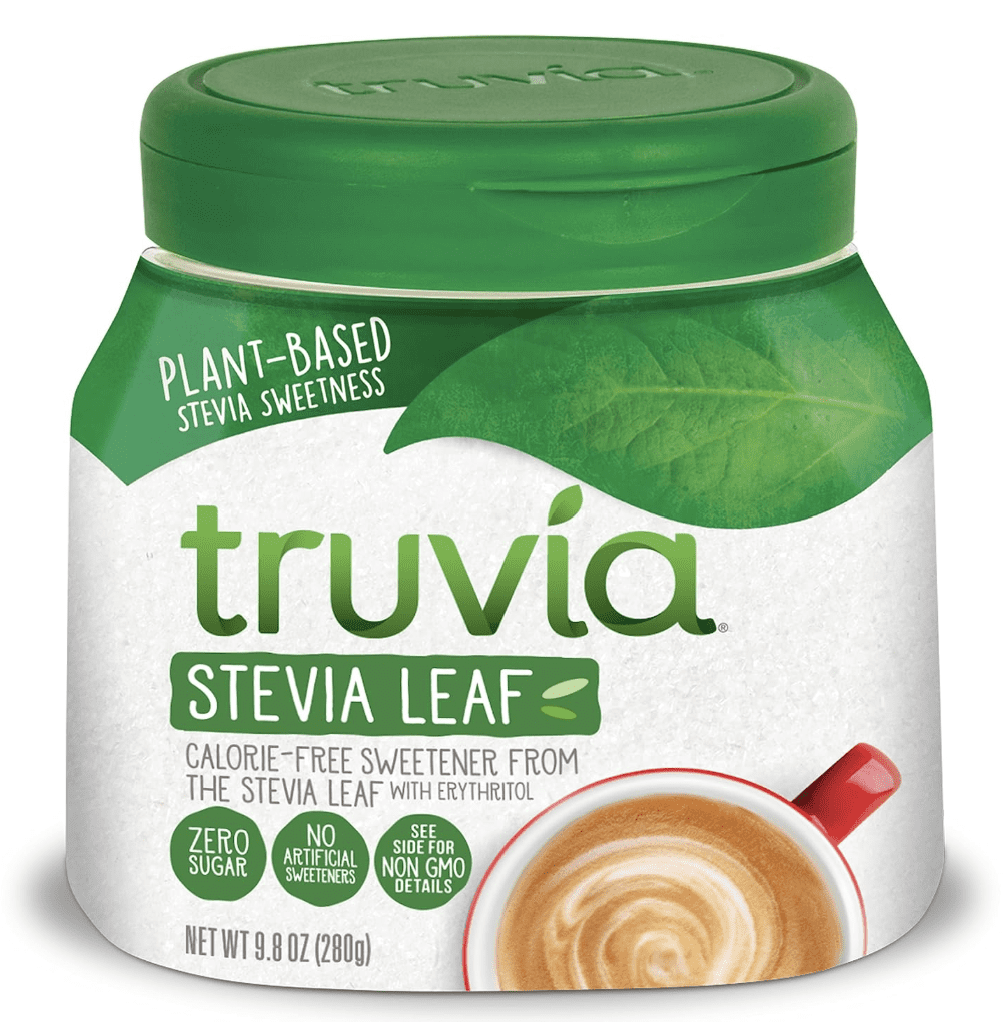
Truvia Original Calorie-Free Sweetener is a spoonable blend of stevia leaf extract and erythritol designed to mimic the texture of sugar without the metabolic wreckage. This 2026 review breaks down the taste profile, the “cooling effect,” and whether this jar belongs in your pantry for baking, coffee, and Ninja Creami recipes—or if the aftertaste ruins the experience.
Transparency & Affiliate Disclosure: This article contains affiliate links. As an Amazon Associate, I earn from qualifying purchases. If you click a link and buy something, I may receive a small commission at no extra cost to you. Please note: I only recommend products I believe will support your training goals. This support helps keep the site running.
Truvia Spoonable Overview & Key Specs
Truvia isn’t just pure stevia; it’s a calibrated blend of erythritol and stevia leaf extract designed to fix the bitterness of the latter. Pure stevia is incredibly potent and often metallic, while erythritol provides bulk and texture. This spoonable jar allows you to measure it out for recipes, coffee, or oatmeal, effectively replacing the sugar bowl on your counter.
- Ingredients: Erythritol, Stevia Leaf Extract, Natural Flavors
- Calories: 0 per serving
- Net Carbs: 3g per ¾ tsp (Erythritol is a sugar alcohol and does not spike blood sugar)
- Conversion: ¾ teaspoon Truvia = 2 teaspoons sugar
- Key Feature: Non-GMO, Gluten-Free, Kosher
- Size: 9.8 oz Jar (Spoonable)
- Best Application: Coffee, Tea, Fruit, Cereal
Taste, Usability & The “Cooling” Effect
The biggest problem with sugar substitutes is the aftertaste, and Truvia solves about 90% of it. Because it uses erythritol (a sugar alcohol found in fruits) as the base, it mimics the crystalline texture of sugar. However, it does have distinct characteristics you need to know before baking a cake with it.
The Flavor Profile
- Sweetness Onset: Immediate, similar to sugar.
- The Cooling Effect: Erythritol has a mild “cooling” sensation on the tongue, similar to mint but without the flavor. This is noticeable if you eat it raw but fades significantly in coffee or baked goods.
- Bitterness: Minimal. Unlike cheap liquid stevia drops, the erythritol buffers the metallic tang of the stevia leaf.
Kitchen Utility
This jar is a weapon for anyone on a cut who still wants dessert. It is the perfect sweetener for high-protein ice cream recipes in the Ninja Creami, providing the necessary solids for texture without the calories. It also dissolves instantly in hot liquids, making it ideal for sweetening coffee from your Philips 4300 LatteGo or Jura E6 without the insulin spike of syrup.
“If you are cutting sugar, you have two choices: artificial chemicals like sucralose, or natural options like stevia. Truvia is the most palatable natural option. It allows my clients to enjoy sweet oats or coffee while keeping insulin low, which is critical for fat loss.”
— Charles Damiano, B.S. Clinical Nutrition
Who Truvia Spoonable Is For (And Not For)
Truvia Is Perfect For:
- The “Clean” Bulker: If you’re eating massive bowls of oatmeal or Greek yogurt to hit your high protein goals, this adds sweetness without adding empty sugar calories.
- The Coffee Connoisseur: Pairs perfectly with espresso from a high-end machine like the Breville Barista Touch.
- The Keto/Low-Carb Dieter: Zero net carbs means it won’t kick you out of ketosis. Essential for fat bombs and keto baking.
- The Unflavored Protein Drinker: If you buy Naked Whey or Momentous Grass-Fed Whey to avoid additives, a pinch of Truvia gives you control over the sweetness.
Truvia Is NOT For:
- The Erythritol Sensitive: Sugar alcohols can cause bloating or gas in some people. If you have IBS, start with a small amount or consider a pure monk fruit extract. Supporting your gut with quality probiotics can help.
- The Caramelization Seeker: It does not caramelize like real sugar. Don’t try to make crème brûlée with it; it won’t work.
- The Strict Paleo Purist: While natural, erythritol is processed. Some strict Paleo followers avoid it.
Potential Drawbacks (Read Before You Buy)
While safer than aspartame, Truvia isn’t perfect for every application.
- Digestive Load: Consuming large amounts (like in a whole batch of cookies) can have a laxative effect due to the erythritol.
- Cost Per Serving: It is significantly more expensive than table sugar or Splenda.
- Conversion Math: It is sweeter than sugar by volume. You cannot swap it 1:1. You must use the ¾ tsp to 2 tsp ratio, which can make adapting grandma’s cookie recipe tricky.
Truvia vs. Splenda vs. Raw Stevia (2026 Comparison)
| Feature | Truvia Spoonable | Splenda (Yellow) | Raw Stevia Powder |
|---|---|---|---|
| Primary Ingredient | Erythritol + Stevia | Maltodextrin + Sucralose | Stevia Leaf Extract |
| Glycemic Impact | Zero | Low (Maltodextrin spikes some) | Zero |
| Aftertaste | Mild Cooling | Artificial Sweet | Strong Metallic/Bitter |
| Best Use | Coffee, Fruit, Baking | General Sweetening | Tiny amounts in tea |
“I recommend Truvia over Splenda for gut health reasons. Recent data suggests sucralose may negatively impact the microbiome. Stevia and erythritol appear to be more inert in the digestive tract.”
— Eugene Thong, CSCS
Final Verdict: Is Truvia Spoonable Worth The Price?
Yes, if you care about ingredients and want a sugar replacement that actually tastes good. Truvia strikes the best balance between flavor, texture, and natural sourcing. It is the superior choice for sweetening your creatine loading drinks, morning coffee, or yogurt bowls without the chemical profile of artificial sweeteners.
No, if you want a 1:1 baking swap or hate the cooling effect. If you need something that measures exactly like sugar, look for “baking blends” (which often contain some sugar). If your stomach is highly sensitive to sugar alcohols, stick to pure monk fruit or raw honey (if calories allow).
The Bottom Line: Truvia is a pantry staple for the modern athlete. It allows you to enjoy the sweet life while keeping your body composition goals on track. Pair it with focus-enhancing nootropics and Omega-3s for a clean, high-performance lifestyle.
Related Nutrition & Supplement Guides
- Ninja Creami Review: The Ultimate Tool for Protein Ice Cream?
- Best Probiotics for Bloating: Fix Your Gut After Sweeteners
- Momentous Recovery Whey Review: The Cleanest Post-Workout Shake
- Best Creatine for Men: Flavorless Options Reviewed
- Best Espresso Machines for Men: Brew Better Before You Sweeten
The Supplement Lexicon: Sweetener Edition
- Erythritol
- A sugar alcohol (polyol) naturally found in some fruits. It has about 70% of the sweetness of sugar but zero calories and does not spike blood glucose or insulin. It is known for a mild “cooling” sensation in the mouth.
- Steviol Glycosides
- The chemical compounds responsible for the sweet taste of the stevia leaf. They are up to 300 times sweeter than sucrose (table sugar), which is why they must be diluted with bulking agents like erythritol for home use.
- Glycemic Index (GI)
- A ranking of carbohydrates on a scale from 0 to 100 according to the extent to which they raise blood sugar levels after eating. Truvia has a GI of 0.
- Net Carbs
- Total carbohydrates minus fiber and sugar alcohols. Since erythritol is not metabolized by the body like sugar, it is subtracted from the total carb count for Keto and low-carb dieting purposes.