
Most men don’t realize their fish oil’s absorption depends on one thing: whether it’s in triglyceride form or ethyl ester form.
One absorbs fast and naturally. The other is cheaper, processed, and harder for your body to use.
This guide breaks down triglyceride vs ethyl ester fish oil so you know exactly what you’re paying for — and which form actually delivers results in 2026.
Disclaimer: This article provides general information only and isn’t medical advice. Always talk with a qualified professional about your personal health needs.
As an Amazon Associate, I earn from qualifying purchases. If you buy through my links, I get a small commission at no added cost to you. It’s like I get a little something for doing the heavy lifting on research.
Overview: Why Fish Oil Form Matters
Most fish oils come in one of two forms:
- Triglyceride (rTG or natural TG) — the natural form your body recognizes
- Ethyl Ester (EE) — a processed form bound to ethanol
Charles Damiano, B.S. Clinical Nutrition, breaks it down:
“Triglyceride fish oil is the form your body expects. Ethyl ester is cheaper to make but harder to absorb.”
Eugene Thong, CSCS, sees the difference in real‑world results:
“Guys on triglyceride fish oil usually feel the benefits faster — joints, recovery, everything. EE works, but it’s slower.”
For more omega‑3 guides:
What Triglyceride Fish Oil Is (Natural or rTG)
Triglyceride fish oil is the form found naturally in fish. It’s either:
- Natural TG — minimally processed
- Re‑esterified TG (rTG) — purified, then rebuilt into TG form
Why it matters:
Your body absorbs triglyceride fish oil more efficiently because it recognizes the structure.
Benefits of triglyceride fish oil:
- Higher absorption
- Better EPA/DHA uptake
- Often fewer burps
- More natural digestion
Charles Damiano puts it simply:
“Triglyceride fish oil is the premium form. It’s what your body is designed to use.”
What Ethyl Ester Fish Oil Is (EE)
Ethyl ester fish oil is created by attaching EPA and DHA to ethanol during processing. It’s cheaper to produce and more shelf‑stable — which is why many budget brands use it.
Downsides:
- Lower absorption
- More fishy burps for some men
- Requires more digestive steps
Eugene Thong sees the difference:
“EE fish oil works — but you need more of it to get the same effect. Most guys don’t realize that.”
Best Fish Oil Supplements by Form
Best Triglyceride Fish Oil: Sports Research Omega‑3

- Form: Triglyceride (rTG)
- Why it wins: High absorption, strong EPA/DHA, great value
- Best for: Men who want maximum potency and recovery
Best Liquid Triglyceride: Carlson Fish Oil

- Form: Natural triglyceride
- Why it’s here: Ultra‑fresh, high absorption, flexible dosing
- Best for: Men who want a clean, potent liquid
Best Ethyl Ester Option: Momentous Omega‑3

- Form: Ethyl ester (EE)
- Why it’s here: NSF Certified for Sport, trusted by pros
- Best for: Athletes who want tested purity
Best No‑Burp Alternative: Bronson Antarctic Krill Oil
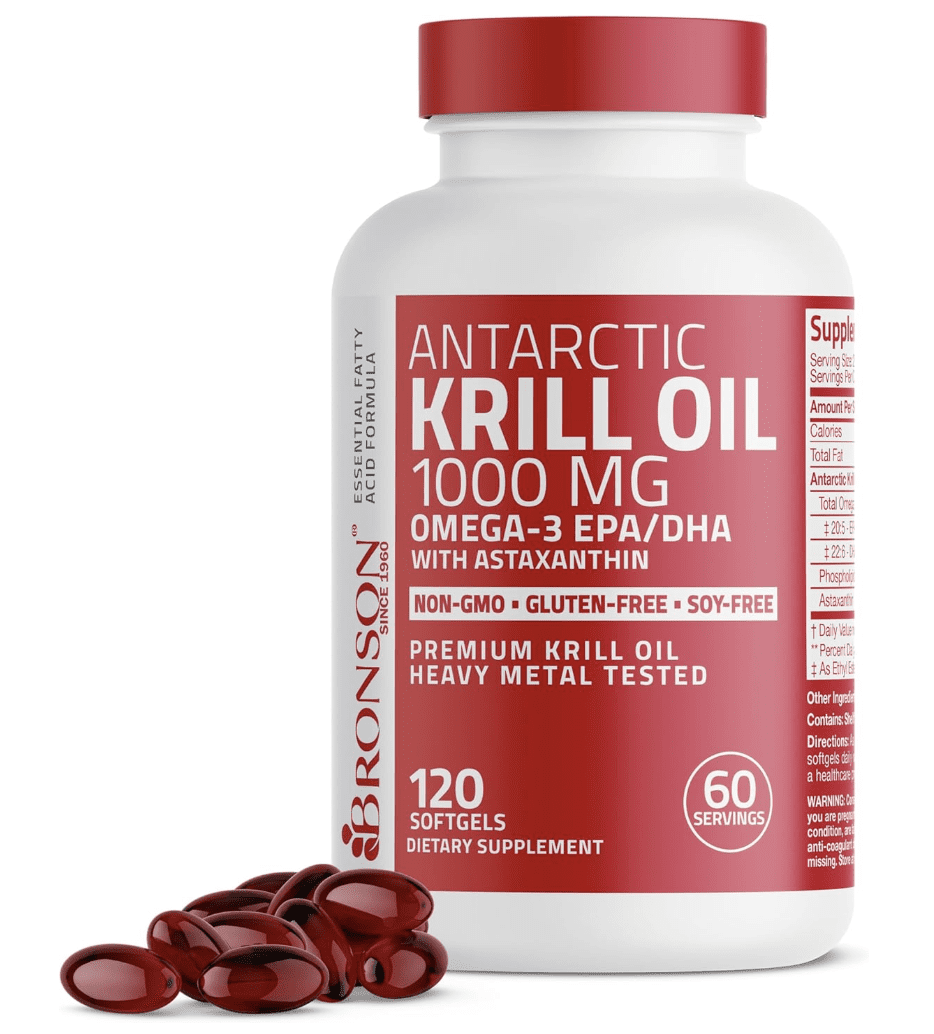
- Form: Phospholipid (unique to krill)
- Why it’s here: Highly absorbable, zero fishy burps
- Best for: Men who want EPA/DHA without aftertaste
Best Krill Oil • Best Krill Oil for Men
Triglyceride vs Ethyl Ester: Side‑by‑Side Comparison
| Feature | Triglyceride (TG/rTG) | Ethyl Ester (EE) |
|---|---|---|
| Absorption | Higher | Lower |
| Digestive Ease | Easier | Harder |
| Cost | Higher | Lower |
| Best For | Men who want max results | Budget shoppers |
Final Verdict
Triglyceride fish oil is the superior form for absorption, digestion, and real‑world results.
- If you want the best absorption → choose triglyceride (Sports Research or Carlson).
- If you want athlete‑grade purity → Momentous is the best EE option.
- If you want zero aftertaste → Bronson Krill Oil is unbeatable.
Choosing the right form is one of the simplest ways to upgrade your omega‑3 results in 2026 — without changing your dose.