You’re deep into keto, tracking every macro, but one wrong scoop can ruin everything. The wrong protein powder is a Trojan horse—packed with hidden carbs and sweeteners that spike insulin and boot you straight out of ketosis. This isn’t a minor detail; it’s the difference between burning fat and storing it. The “best protein for keto” isn’t a suggestion; it’s a non-negotiable tool for metabolic efficiency. It’s the lever you pull to preserve muscle while your body burns fat for fuel. This is the ultimate discipline: fueling growth without compromising the state that makes it all possible.
Core Concept: Protein and the Keto Diet
- Definition: Keto Diet — A high-fat, very low-carb, moderate-protein metabolic state.
- Role of Protein in Keto: To preserve lean muscle mass without triggering gluconeogenesis that can disrupt ketosis.
- Intersection: The best protein for keto is the one that delivers maximum biological value with zero metabolic compromise.
Protein Sources: Keto-Friendly Options
| Source | Key Traits | Keto Advantage |
|---|---|---|
| Whey Protein Isolate | Ultra-filtered, >90% protein | Fast-absorbing, virtually zero carbs/lactose, won’t spike insulin. |
| Collagen Protein | From bovine or marine sources | Zero carbs, supports joints & gut health without affecting ketosis. |
| Egg White Protein | Pure albumin powder | Completely carb-free, a pure whole-food protein source. |
| Plant-Based Keto Proteins | Pea, Hemp, Pumpkin Seed | Low net carbs, dairy-free option for sensitive systems. |
| Casein Protein | Micellar, slow-digesting | Ideal for nighttime, provides a slow drip of amino acids. |
Functional Benefits: Why Protein Matters on Keto
| Benefit | Description | Impact on Keto Success |
|---|---|---|
| Muscle Preservation | Prevents catabolism during caloric deficit | Ensures you lose pure fat, not hard-earned muscle. |
| Satiety Control | Highly satiating, reduces cravings | Makes the low-carb caloric deficit sustainable. |
| Metabolic Support | High thermic effect of food (TEF) | Burns more calories during digestion than fat or carbs. |
| Recovery & Performance | Repairs muscle post-workout | Enables high performance even with depleted glycogen. |
Consumer Attributes: Who Seeks the Best Protein for Keto
- Keto Dieters: They need a protein that fits their macros without guessing or compromising their metabolic state.
- Fitness Enthusiasts: They train hard and need to maintain performance and muscle on a low-carb protocol.
- Health-Conscious Shoppers: They demand clean labels, keto-friendly sweeteners, and no hidden fillers.
- Lifestyle Shifters: They use keto protein as a foundational habit to lock in their new low-carb identity.
Market Positioning: Protein for Keto in the Supplement World
- Premium Keto Fuel: Marketed as a precision tool, not a general supplement. Zero carbs is the baseline.
- Evidence-Based Nutrition: Formulations are backed by the science of ketosis and insulin response.
- Lifestyle Branding: It’s keto discipline in a tub. It’s for those who don’t cheat because they understand the metabolic cost.
Flavor & Form: Making Keto Protein Work
| Element | Options | Keto-Compliant Approach |
|---|---|---|
| Flavor | Chocolate, Vanilla, Salted Caramel, Coffee | Uses natural flavors and keto-friendly cocoa. |
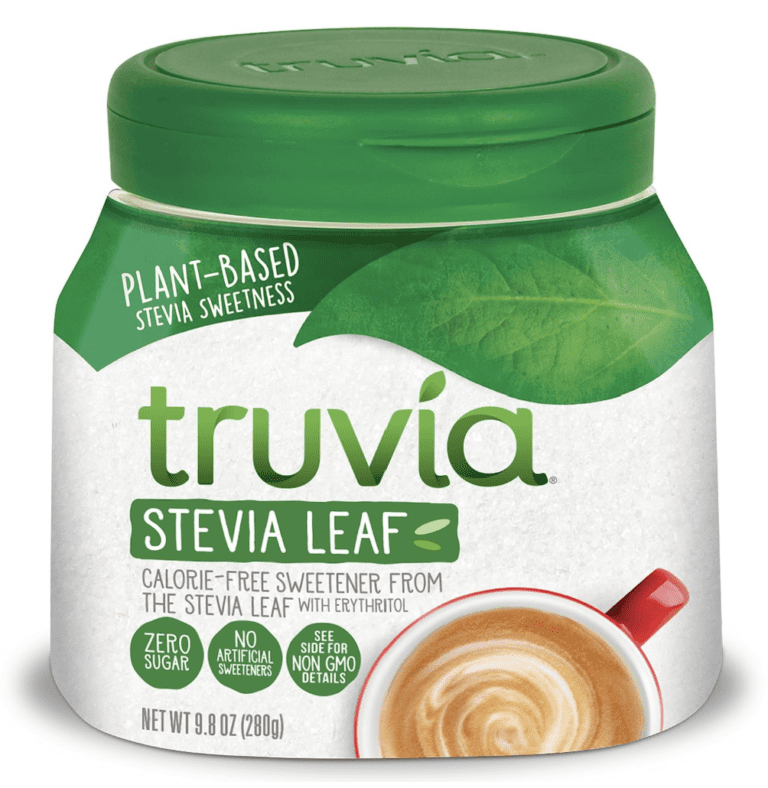
| Sweeteners | Stevia, Monk Fruit, Allulose, Erythritol | Avoids maltodextrin, dextrose, and other high-glycemic agents. |
| Formats | Powders, RTD Shakes, Bars | Every format is engineered with net carbs in mind. |
Packaging: Keto Protein Presentation
- Tub Sizes: Bulk supply for the daily commitment to maintaining ketosis and muscle.
- Single-Serve Packets: Perfect for travel and emergencies, ensuring you never have to compromise.
- Label Design: Bold “Keto-Friendly” or “Zero Net Carbs” claims front and center. Transparency is the brand.
Certifications & Standards: Trust in Keto Protein
| Certification/Standard | Meaning | Consumer Confidence |
|---|---|---|
| Non-GMO | Ingredients are not genetically modified. | Aligns with the whole-food, clean-eating ethos of keto. |
| Quality Testing | Verified for purity and label accuracy. | Trust that the carb count is real and the product is pure. |
| No Artificial Flavors/Colors | Clean, simple ingredient deck. | No hidden ingredients that could cause inflammation or an insulin response. |
| Made in USA | Manufactured under strict regulations. | Confidence in sourcing and production integrity. |
FAQ on Keto Protein
A: Two things: minimal to zero net carbs, and keto-compliant sweeteners. It must not trigger an insulin response that can disrupt ketosis.
A: Be very careful. Whey concentrate often has 3-5g of carbs per scoop. Whey Isolate is the safe choice, with less than 1g. Always check the label.
A: Post-workout for muscle repair, or as a meal replacement to hit your protein goals without exceeding carb limits.
A: Yes, if it’s low in net carbs. Pea protein is a great option, but watch for added starches or fillers in blends.
A: It preserves calorie-burning muscle during a deficit, controls hunger, and provides clean fuel that keeps you in fat-burning mode.
Conclusion: Best Protein for Keto for Low-Carb Nutrition
Let’s be clear: the best protein for keto is your insurance policy. It’s the guarantee that your hard work in the gym and discipline in the kitchen isn’t being undone by a single scoop of the wrong powder. This isn’t about adding a supplement; it’s about eliminating risk. You need a protein that acts as a strategic tool, not a metabolic wild card. For a deep dive into the top-tier options that meet this standard, read our Best Protein for Keto: The No-BS Review (Zero Carbs & No Insulin Spikes). Stop guessing. Start choosing with precision. Your ketosis depends on it.