How to get abs comes down to three controllable variables: body fat percentage, core muscle development, and dietary consistency. No shortcuts, no magic supplement. You can’t “spot reduce” belly fat, but you can reveal abdominal muscles by combining resistance training, progressive overload, and nutritional control. When you train and eat with precision, visible abs become a side effect of a balanced body composition.

Understanding How to Get Abs: The Physiology Behind the Six-Pack
The rectus abdominis runs vertically from your ribs to your pelvis. It’s divided by tendinous intersections—that grid-like structure people call a “six-pack.” But every ab you’ve ever seen is built the same way: through consistent training and fat loss.
Here’s the simple math:
| Variable | Target Range (Men) | Target Range (Women) | Primary Effect |
|---|---|---|---|
| Body Fat % | 8–14% | 16–22% | Abs become visible |
| Training Frequency | 3–5× weekly | 3–5× weekly | Core hypertrophy |
| Protein Intake | 1.6–2.2 g/kg bodyweight | 1.4–2.0 g/kg bodyweight | Muscle preservation during fat loss |
You don’t have to train abs every day. You have to train them correctly, in sync with your nutrition.
The Training Range That Builds Visible Abs
The best rep range for abdominal hypertrophy mirrors what works for most skeletal muscle — 8–15 repetitions per set, performed with progressive overload.
“Think of the abs like any other muscle,” explains your coach’s mindset. “You grow them by applying resistance, not endless crunches.”
Effective core exercises (ranked by muscle activation):
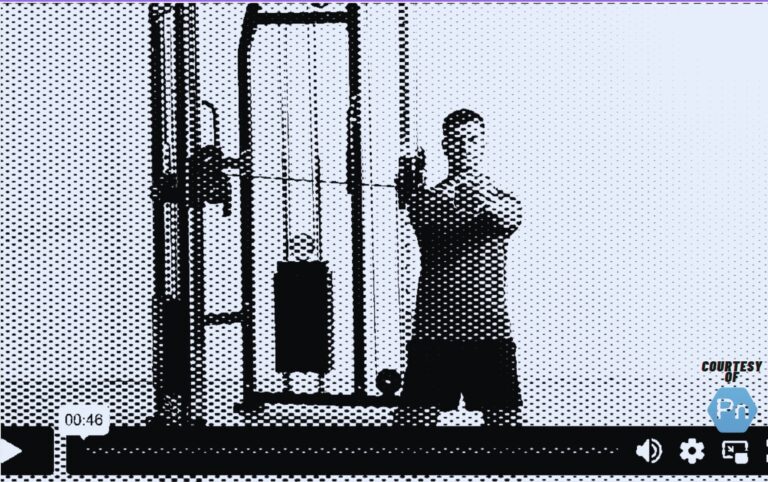
- Weighted Cable Crunch
- Hanging Leg Raise
- Ab Wheel Rollout
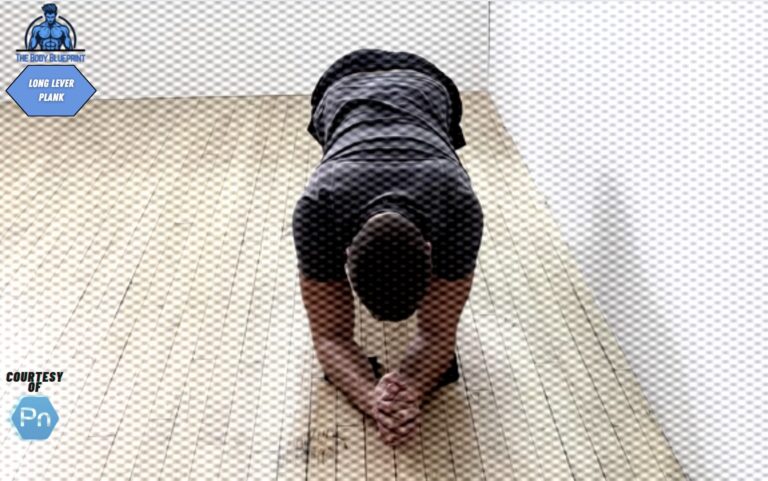
- Plank with Shoulder Tap
- Stability Ball Pike
A well-designed ab workout targets the rectus abdominis, obliques, and transverse abdominis (deep core stabilizer).
| Exercise | Sets | Reps | Focus |
|---|---|---|---|
| Hanging Leg Raise | 4 | 10–12 | Lower abs & hip flexors |
| Weighted Cable Crunch | 4 | 12–15 | Upper abs |
| Plank to Pike | 3 | 8–10 | Core stability |
| Russian Twist | 3 | 15/side | Obliques |
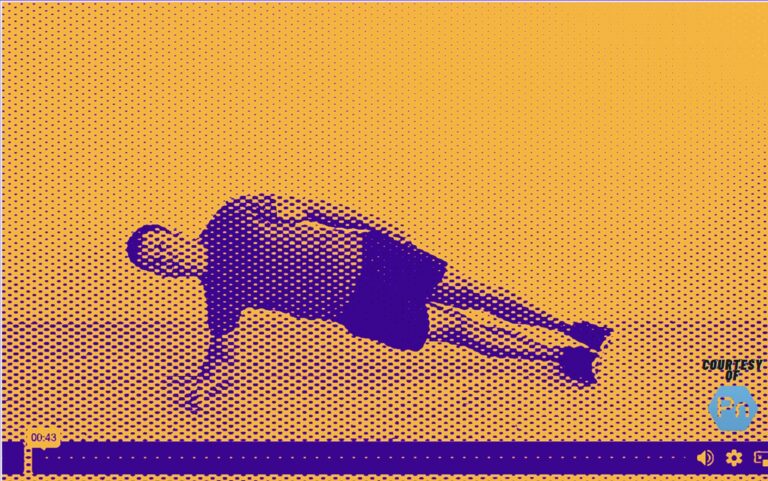
| Side Plank | 2 | 30 sec/side | Lateral stabilizers |
Nutrition: The Unsung Hero of Visible Abs
Here’s the rule: Abs are built in the gym, revealed in the kitchen.
If your caloric intake exceeds your energy output, no amount of crunches will show them.
Guideline for Fat Loss (Men 25–55):
- Aim for a 300–500 calorie daily deficit.
- Consume 1g of protein per pound of lean body mass.
- Choose whole-food carbohydrates (oats, quinoa, sweet potatoes).
- Limit alcohol — ethanol metabolism interrupts fat oxidation for hours.
- Hydrate aggressively: ~35ml per kg body weight per day.
Your macronutrient split might look like this:
| Macronutrient | Percentage of Total Calories | Primary Function |
|---|---|---|
| Protein | 30–35% | Muscle repair and preservation |
| Carbohydrates | 40–50% | Training fuel and glycogen recovery |
| Fats | 20–25% | Hormonal balance and joint health |
Recovery: The Overlooked Factor in Ab Development
Muscle growth doesn’t occur during training—it happens during recovery.
Sleep deprivation increases cortisol levels, which can slow fat loss and inhibit muscle repair.
For optimal results:
- Get 7–9 hours of sleep per night.
- Incorporate active recovery days with walking or light cardio.
- Manage stress: chronic cortisol elevation promotes visceral fat storage.
“Consistency and recovery separate men who have abs from those who just chase them.”
Putting It All Together: The 3-Phase Abs Plan
| Phase | Focus | Duration | Goal |
|---|---|---|---|
| Phase 1 – Foundation | Learn activation (planks, dead bugs) | 2–3 weeks | Core engagement & endurance |
| Phase 2 – Growth | Add load & volume (weighted crunches, rollouts) | 6–8 weeks | Muscle hypertrophy |
| Phase 3 – Reveal | Dial in caloric deficit, maintain muscle | 6–10 weeks | Fat loss & definition |
This approach ensures sustainable, aesthetic results, not crash-diet abs that vanish with the next pizza.
✅ Quick List: How to Get Abs the Right Way
- Train your core with 8–15 rep sets, 3–4× per week.
- Create a caloric deficit through nutrition, not starvation.
- Keep protein high to preserve muscle.
- Lift heavy, compound first—abs second.
- Sleep and manage stress.
- Be consistent for 8–12 weeks minimum before judging results.
Final Word: Discipline Over Hacks
Visible abs aren’t about being shredded all year—they’re about being in control.
Control your training, control your diet, control your recovery.
Do that long enough, and you’ll see lines appear under your skin that tell the story of work ethic, not luck.
Your abs aren’t waiting to be found.
They’re waiting to be earned.
(Scientific References)
- Schoenfeld, B. J. et al. (2014). “Mechanisms of Muscle Hypertrophy and Their Application to Resistance Training.” Journal of Strength and Conditioning Research, 28(5), 1528–1538.
- Morton, R. W. et al. (2018). “A Systematic Review, Meta-Analysis and Meta-Regression of the Effect of Protein Supplementation on Resistance Training–Induced Gains in Muscle Mass and Strength.” British Journal of Sports Medicine, 52(6), 376–384.
- Trexler, E. T. et al. (2014). “Metabolic Adaptation to Weight Loss: Implications for the Athlete.” Journal of the International Society of Sports Nutrition, 11(1), 7.
- Cermak, N. M. et al. (2012). “Protein Supplementation Augments the Adaptive Response of Skeletal Muscle to Resistance-Type Exercise Training.” The American Journal of Clinical Nutrition, 96(6), 1454–1464.
- St-Onge, M. P. et al. (2016). “Sleep Duration and Quality: Impact on Lifestyle Behaviors and Cardiometabolic Health.” Sleep Health, 2(1), 12–19.