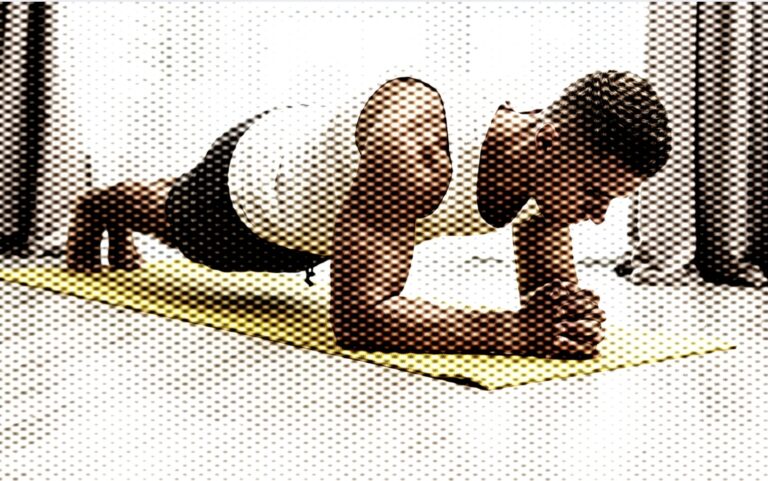
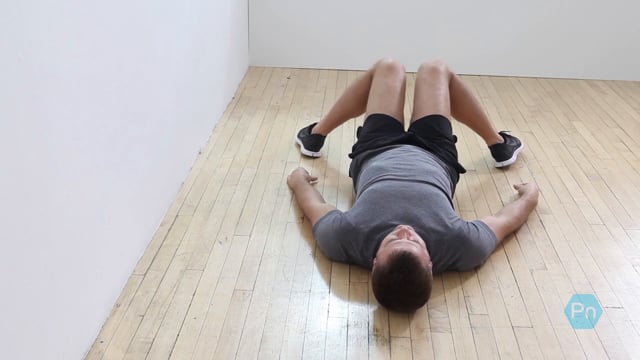
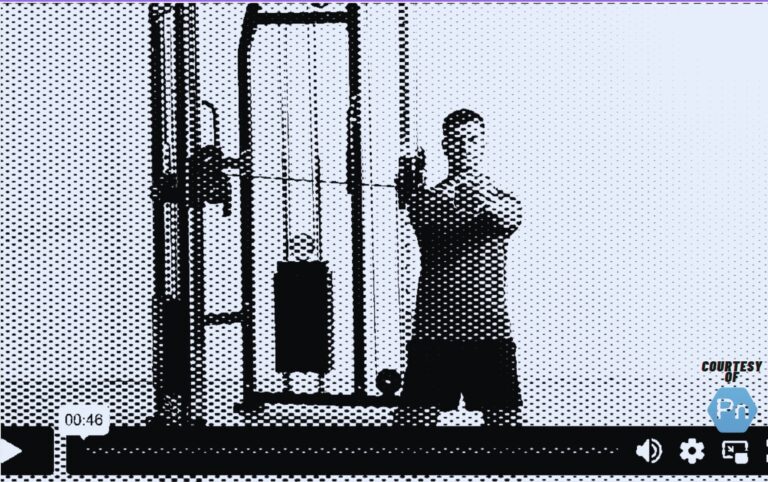
The Hinge to Side Plank is the ultimate “flow” movement for connecting your posterior chain to your lateral stabilizers. While most people train these muscles in isolation, real athletic power comes from the ability to transition between them seamlessly.
This is not a bodybuilding exercise; it is a movement drill. It teaches your body how to brace your core while moving from a hip-dominant position (the hinge) to a lateral stability position (the side plank). If you feel uncoordinated or weak when changing directions in sports, this is the fix. It builds a core that is not just strong, but intelligent. Stop doing static holds. Start moving with intent.
Important: This movement requires decent shoulder stability. If you have a history of shoulder dislocations or instability, master the static side plank first before adding the dynamic transition.
Why Fluid Transitions Build Better Athletes
Static strength is useless if you cannot move with it. The Hinge to Side Plank mimics the demands of real life and sports: shifting weight, rotating the torso, and stabilizing against gravity from different angles.
The Benefits at a Glance
| Advantage | The Payoff |
|---|---|
| Rotational Control | Teaches the core to resist and control rotation, crucial for preventing back injuries. |
| Kinetic Linking | Connects the glutes (hinge) to the lats and obliques (side plank) in one seamless chain. |
| Mobility | Actively stretches the hamstrings while activating the core. |
How to Perform the Hinge to Side Plank
This is a flow, not a race; precision beats speed every time. If you rush, you will look like a fish flopping on the deck. Move with intent.
Step-by-Step Execution
- The Hinge: Stand tall. Hinge at the hips (push butt back) until hands touch the floor. Keep legs relatively straight.
- The Walkout: Walk your hands out to a high plank position. Core tight.
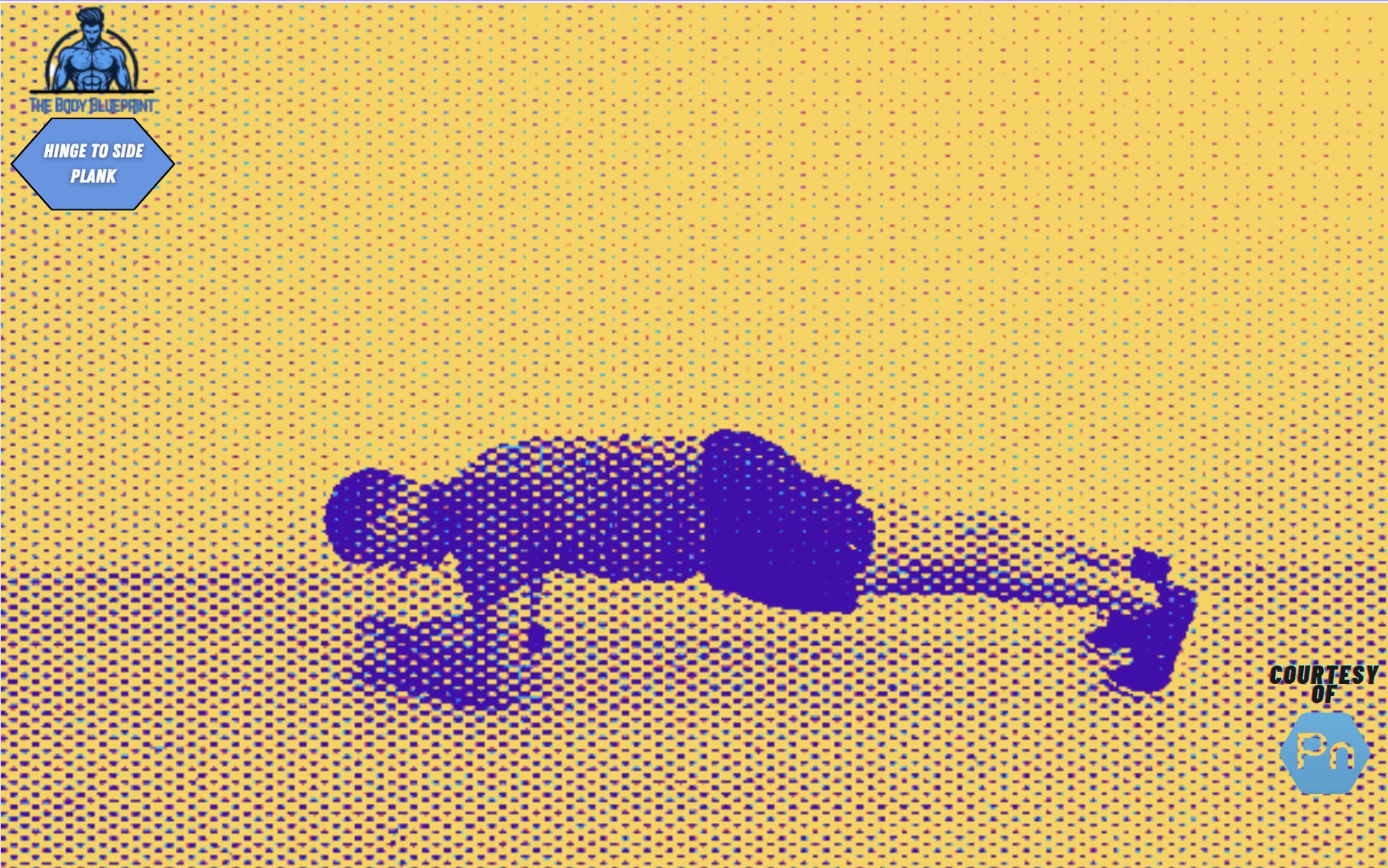
- The Pivot: Rotate your heels to the right. Stack your feet.
- The Plank: Lift your left arm to the ceiling. Drive your hips up. Create a “T” shape.
- The Hold: Pause for 2 seconds. Feel the oblique fire.
- The Return: Rotate back to center plank. Walk hands back to feet. Stand up (finish the hinge).
“Don’t let your hips sag during the side plank. Imagine there is a fire under your oblique. Pull your hips away from the heat. This ensures the spine stays neutral.”
— Eugene Thong, CSCS
Common Mistakes That Kill Flow
Sloppy transitions ruin the benefit of this exercise. You must maintain tension during the “in-between” moments.
- Rounding the Back: Rounding the spine during the hinge phase. Fix: Keep the chest proud and bend the knees if hamstrings are tight.
- The Sag: Dropping hips in the side plank. Fix: Squeeze the glutes and drive the bottom knee into the floor if needed.
- Rushing: Using momentum to get into position. Fix: Move slow. Own every inch.
Programming & Optimization
Use this as a warm-up or a recovery day movement. It wakes up the nervous system without taxing it.
Sample Protocol
| Goal | Sets/Reps | Context |
|---|---|---|
| Warm-Up | 3 x 5 per side | Before deadlifts or squats. |
| Active Recovery | 10 mins continuous flow | On rest days to promote blood flow. |
Performance Stack
Recovery days are for repair, not laziness.
- Joint Health: Connective tissue heals slower than muscle. Collagen peptides support tendon health.
- Inflammation: Manage systemic inflammation with high-quality fish oil.
- Cellular Repair: Recovery happens in the mitochondria. NAD+ Cell Regenerator supports cellular energy.
- Gut Health: Digestion impacts inflammation. Compare Seed vs Align to optimize your gut.
- Sleep: The ultimate recovery tool. Prioritize deep sleep to reset the CNS.
Tech Alternative
If you want guided mobility flows, smart gyms are excellent.
Digital weights allow for fluid resistance. Check our Speediance vs Tonal vs Vitruvian comparison or browse the best smart home gyms for tech-driven recovery.
The Verdict
The Hinge to Side Plank is not flashy. It is foundational. It connects your power source (hips) to your stabilizers (core). If you can flow through this smoothly, you are athletic. If you stumble, you have work to do.