The Goblet Squat to Box is the definitive beginner squat, teaching perfect depth and posture with an unbreakable safety net.
This is the 2026 movement blueprint. We’re breaking down the tactile form cues, programming hacks, and progression path that turns this simple drill into bulletproof leg strength. This is the technique you master before you ever touch a barbell.
Disclaimer: You’re here to find a technique that’ll get you results, and I’m here to help. Consult a physician or qualified trainer before starting any new exercise. This guide is for educational purposes.
Goblet Squat to Box: The Tactile Learning Tool
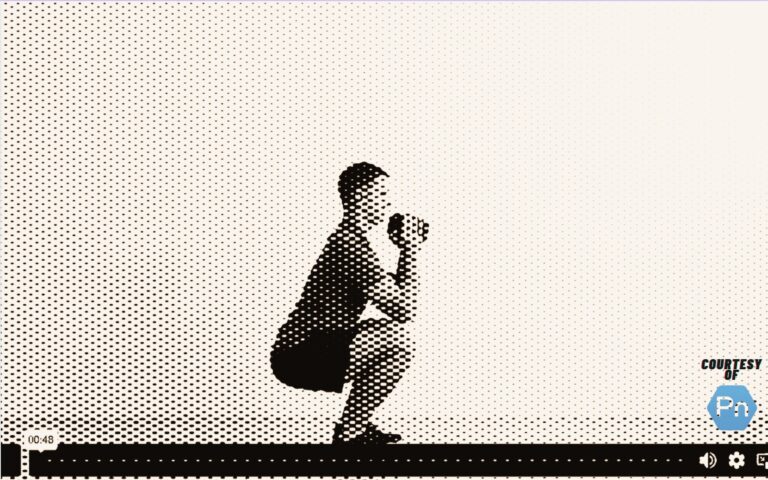
The Goblet Squat to Box is a regressed squat variation where you hold a weight at your chest and squat to a box or bench. It combines the postural benefits of the goblet squat with the confidence and depth control of a box touch. The box isn’t for sitting—it’s a tactile depth gauge and safety stop that removes the fear of falling backwards. It’s the foundational drill before progressing to a barbell back squat.
- Primary Muscles: Quads, Glutes, Hamstrings, Core.
- Equipment Needed: Dumbbell or Kettlebell, Sturdy Box/Bench (12-18” high).
- Skill Level: Beginner to Intermediate. Masters depth and motor control.
- Key Purpose: Teach proper squat patterning, achieve consistent depth, build confidence.
Goblet Squat to Box instructional video. Focus on the upright torso and controlled touch.
Why the Goblet Box Squat is a Non-Negotiable Foundation
This exercise solves multiple squat problems simultaneously: depth anxiety, posterior chain engagement, and core bracing. It’s a diagnostic tool that forces technical precision. For other foundational lower body movements, see the Romanian Deadlift and Barbell Hip Thrust.
- Eliminates Depth Fear: The box provides a physical target. You learn what “below parallel” feels like without guessing.
- Enforces Upright Torso: The front-loaded weight counterbalances you, teaching proper chest-up position critical for front squats.
- Builds Explosive Power from the Hole: The pause on the box eliminates momentum. You must generate force from a dead stop, strengthening the weakest point of your squat.
- Teaches Hip Hinging: To reach the box, you must push hips back, engaging hamstrings and glutes correctly.
- Low Skill, High Reward: Easier to learn than barbell variations, yet builds transferable strength and mobility.
Step-by-Step Form: The 5-Point Checklist
Perfect form is non-negotiable. Follow this checklist rep after rep. Master the bodyweight version first before adding load.
- Setup: Stand facing away from box, feet shoulder-width. Hold dumbbell/kettlebell at chest with elbows tucked. Do not round your upper back.
- The Descent: Take a deep breath, brace your core. Push hips BACK, then down. Knees track over toes. Maintain upright torso.
- Box Touch: Lower with control until glutes gently tap the box. Do not sit and relax. Pause for 1 second. Keep tension.
- The Ascent: Drive through mid-foot and heels. Push the floor away. Lead with chest, not head. Exhale as you pass the sticking point.
- Finish: Stand tall, squeeze glutes at the top. Reset breath and brace for next rep.
“The box squat’s greatest value is teaching load distribution. The pause eliminates the stretch reflex, forcing the lifter to use proper mechanics to stand up. It’s a brutal honesty tool—if you’re in a bad position, you can’t bounce out of it. This builds true strength and resilience for heavy sumo deadlifts and squats.”
— Eugene Thong, CSCS
3 Common Form Mistakes & How to Fix Them
These errors turn a teaching tool into a bad habit factory. Fix them immediately. For mobility drills to correct these, incorporate the Deep Squat Wall Stretch.
1. Plopping Onto the Box
The Mistake: Dropping fast and relaxing your core on the box. The Fix: Maintain full-body tension. Descend with control. The touch should be soft and deliberate. You should be able to stop just above the box.
2. Good Morning the Weight Up
The Mistake: Hips rising faster than shoulders, turning the squat into a back-dominant lift. The Fix: Drive with your legs. Imagine spreading the floor apart with your feet. Keep your chest up. Strengthen quads with single-leg work.
3. Knee Valgus (Knees Caving In)
The Mistake: Knees collapsing inward on the ascent. The Fix: Actively screw your feet into the floor (external rotation). Push knees out over pinky toes. Use a light mini-band above knees for feedback. Improve hip mobility with adductor mobilization.
Programming, Progression & Integration
Use this exercise as a teaching tool or a primary strength builder in your lower body days. Pair it with complementary movements like the Walking Lunge for balanced development.
Sample Beginner Programming
- Phase 1 (Skill Acquisition): 3 sets of 8-10 reps, light weight (20-30% effort). Focus on perfect form and touch. 2x/week.
- Phase 2 (Strength): 4 sets of 6-8 reps, moderate weight (RPE 7-8). Add 2.5-5lbs per week. 1-2x/week.
- Phase 3 (Power): 5 sets of 3-5 reps, heavier weight (RPE 8-9). Explode up from the box. 1x/week as a primary lift.
The Progression Pathway
- Master Bodyweight Box Squat.
- Goblet Box Squat (Light -> Heavy).
- Goblet Squat (No Box).
- Barbell Front Squat or Back Squat.
Key Variations to Scale Difficulty
Adjust the lever to match your current ability and target specific weaknesses. Explore other squat patterns like the Bowler Squat or Lateral Squat.
To Make It Easier (Regressions)
- Higher Box: Start with a bench (18”). Master depth, then lower box height over weeks.
- Assisted Variation: Use a pole or TRX strap for minimal hand support to balance. See Assisted Bodyweight Squat to Box.
- Lighter Weight: Use a light dumbbell, medicine ball, or no weight at all.
To Make It Harder (Progressions)
- Lower Box: Progress to a 12” or lower box for greater depth and range of motion.
- Band-Resisted: Add a mini-band around knees or use a band across hips for accommodating resistance. See Band-Resisted Squat.
- Paused Reps: Increase pause time on box to 2-3 seconds, killing all momentum.
- Offset Load: Hold weight on one side only (e.g., single dumbbell at shoulder) to challenge anti-rotation core strength.
The Bottom Line: Build Your Foundation Here
The Goblet Squat to Box isn’t a beginner exercise—it’s a foundational movement. It teaches the mechanics, builds the confidence, and develops the strength required for every heavy squat variation that follows. Master the touch, own the pause, and progress deliberately. Your future squat max depends on this.
Goblet Squat to Box FAQ
What box height should I use?
Start with a box that puts your thighs parallel to the floor when seated. Typically a 12-18” bench. Lower it as mobility improves.
How heavy should the weight be?
Light enough for perfect form, heavy enough to be challenging in the target rep range. Never sacrifice technique for load.
Should I do these if I have knee pain?
Consult a physical therapist. The box can reduce shear force, but pain is a signal. Ensure you’re pushing knees out, not letting them cave.
Goblet Squat vs. Goblet Box Squat?
Box Squat for learning depth and power from the bottom. Regular Goblet for building work capacity and conditioning. Use both.
How do I integrate this into my routine?
As a primary lift on lower body days, or as a warm-up/skill drill before heavier squatting. 3-5 sets of 5-10 reps is a standard starting point.