The Dumbbell Floor Press is the definitive horizontal pressing variation for maximizing tricep recruitment and protecting the shoulder capsule. By utilizing the floor as a physical depth stop, you eliminate the high-risk “bottom” portion of the press, forcing the triceps and mid-chest to handle the total load from a dead stop. If you want arms that fill out your sleeves and a bench press that doesn’t stall, this is your primary weapon.
Disclaimer: Consult a physician before starting any new training protocol. This guide is for educational, performance, and aesthetic optimization only.
Dumbbell Floor Press: The Lockout Powerhouse
The Dumbbell Floor Press is a pressing variation performed while lying on the ground, which limits the range of motion and isolates the top-end lockout. It is one of the most effective dumbbell exercises for those who struggle with shoulder impingement or pec tears. Because you can’t use “leg drive,” your chest and triceps are forced to do 100% of the work.
- Primary Muscles: Triceps (Lateral and Medial heads), Sternal Pecs, Anterior Deltoids.
- Equipment Needed: A pair of dumbbells and a flat floor.
- Skill Level: Intermediate. Requires elite scapular control.
- Key Purpose: Build massive lockout strength and chest density without shoulder strain.
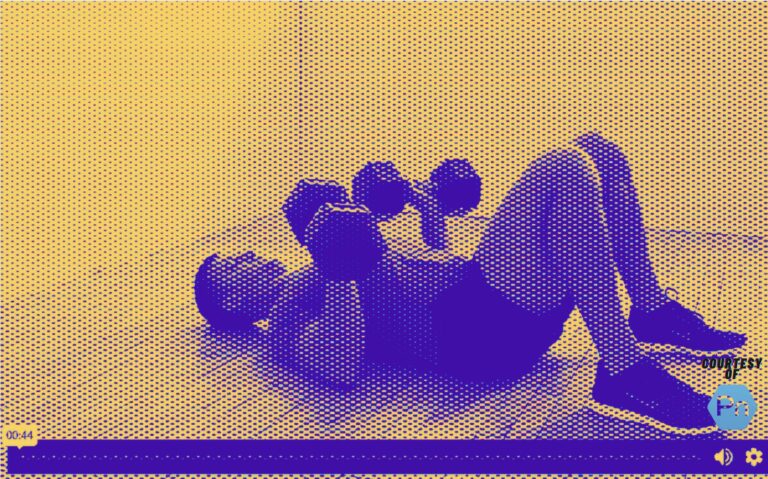
Dumbbell Floor Press instructional video. Notice the controlled descent and neutral-to-45-degree elbow angle.
Why Floor Pressing Dominates the Bench
This isn’t just a “modified” bench; it’s a superior tool for specific hypertrophy. Most pressing movements fail at the bottom because of shoulder instability. The floor press solves this by cutting out the dangerous portion of the rep. For more chest-specific growth, check out our chest exercise library.
- Tricep Overload: Since the chest is less active in the shortened range, the triceps take the brunt of the load. If you want sleeves to fit tighter, this is the way.
- Shoulder Safety: The floor prevents the humerus from traveling too far into extension, keeping the rotator cuff in a safe “box.”
- Dead-Stop Power: Resting the elbows on the floor for a split second kills all elastic energy (momentum). You have to fire from a dead stop, which builds raw, explosive power.
Step-by-Step Form: The 5-Point Checklist
- The Setup: Sit on the floor with dumbbells on your thighs. Roll back while bringing the weights to your chest. Keep your knees bent and feet flat—or legs straight for more core stability demand.
- The Brace: Pull your shoulder blades together and “pack” them into the floor. Use 90/90 Wall Balloon-Breathing to set your ribcage and stabilize your spine.
- The Descent: Lower the weights under control. Keep your elbows at a 45-degree angle to your body. Do not flare them to 90 degrees.
- The Floor Touch: Let your triceps gently touch the floor. Pause for 1 second. Do not “bounce” off the floor.
- The Press: Drive the dumbbells upward until your elbows are fully locked. Squeeze your triceps hard at the peak.
“The floor press is a truth-teller. It removes the bounce and the leg drive, exposing exactly where your triceps are weak. If you can’t lock out a heavy floor press, your Barbell Bench Press will always have a ceiling. Master the dead stop to build a bulletproof press.”
— Eugene Thong, CSCS
3 Common Mistakes & How to Fix Them
Sloppy pressing is a waste of metabolic potential. Optimize your mechanics.
1. The Elbow “Plop”
The Mistake: Relaxing completely at the bottom and letting the weights shift. The Fix: Keep full tension in your lats and chest while your elbows touch the floor. Treat it like a touch-and-go with a pause, not a nap.
2. Flared Elbows
The Mistake: Pressing with elbows straight out to the sides, which impinges the shoulder. The Fix: Tuck the elbows to 45 degrees. If you have chronic shoulder issues, supplement with Momentous Collagen and incorporate Dumbbell External Rotations into your warm-up.
3. Soft Lockout
The Mistake: Not extending the elbows fully at the top. The Fix: The tricep’s job is full extension. Lock them out and squeeze. If you need more ATP for those final reps, hit your Momentous Creatine.
“From a metabolic standpoint, heavy pressing creates significant oxidative stress and systemic inflammation. If you aren’t managing that with high-quality Momentous Omega-3s and a clean protein source like Equip Prime Beef, your recovery will lag behind your effort. Performance starts at the cellular level.”
— Charles Damiano, B.S. Clinical Nutrition
Programming & Integration
This lift should be a staple in your muscle-building or strength-building cycles.
- Strength Focus: 4 sets of 5-8 reps. Go heavy. Rest 2-3 minutes.
- Hypertrophy Finisher: 3 sets of 12-15 reps. Focus on the squeeze. Pair this with Beta-Alanine to buffer the acid and get 3 extra reps.
- Post-Lift Nutrition: Immediately follow with a Momentous Recovery shake to kickstart muscle protein synthesis.
Variations to Scale Difficulty
- Neutral Grip: Hold dumbbells with palms facing each other to further reduce shoulder stress and hammer the triceps.
- Single-Arm Floor Press: Press one arm at a time to increase the Ab Wheel Iso style core demand and fix imbalances.
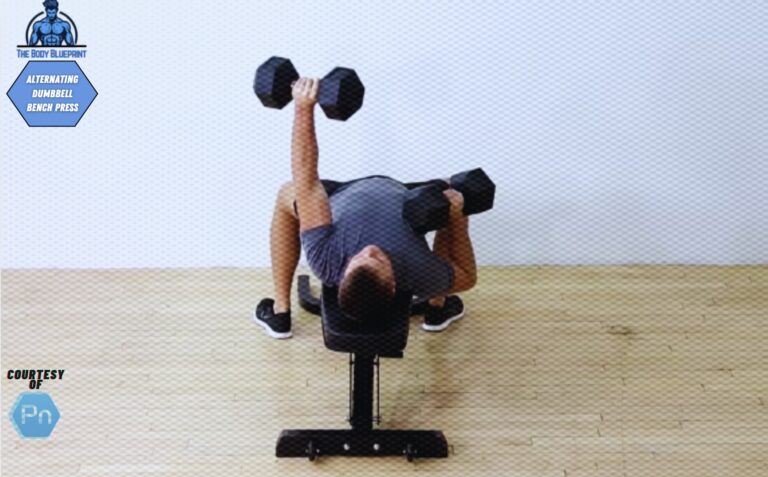
- To Progress: Move to the Alternating Dumbbell Bench Press for a greater range of motion once your shoulders are bulletproof.
The Verdict
The Dumbbell Floor Press is the ultimate “fix” for a weak press and injury-prone shoulders. It builds real-world density and lockout power that carries over to every other movement in the gym. Brace your core, tuck your elbows, and own the floor.
Dumbbell Floor Press FAQ
Does this replace the bench press?
It’s a variation, not necessarily a total replacement. Use it to fix tricep weaknesses or as a primary press if standard benching causes pain.
Should I keep my legs straight or bent?
Bent knees (feet flat) are more stable. Straight legs increase the demand on your core to prevent your body from rocking.
Is this better than the barbell version?
Dumbbells allow for a more natural wrist and elbow path, making them safer for most people than the Barbell Floor Press.