So you want a back that doesn’t just exist, but announces itself. A topography of muscle that ripples when you move, fills out a tee shirt like a loaded rucksack, and makes doorways seem slightly narrower. But the question hangs, heavy as a loaded barbell: Can you build a big back with just dumbbells? The answer, forged in the iron reality of physiology and countless sweat-stained home gym floors, is a resounding yes. Forget the whispers that you need a full rack, a barbell, or a cathedral of steel. If your dumbbells are heavy enough and you know how to wield them with intent, you can absolutely forge a massive, powerful back. It demands knowledge, grit, and an understanding that the back isn’t one muscle, but a complex tapestry. Let’s pull back that curtain.
The Back: Not One Beast, But a Pack of Wolves Working Together
Think of your back not as a single slab, but as layers of overlapping muscle, each with its own function, its own pull. There are the lats – the vast wings that sweep down from your armpits, responsible for that coveted “V-taper” when you build them right. Above them, giving thickness, are the traps, running from your neck down your spine. Deeper still, hugging your spine, the rhomboids and rear delts pull your shoulder blades together, crucial for posture and that dense, knotted look. And let’s not forget the erector spinae, the powerful columns running alongside your spine, the bedrock of strength for deadlifts and good mornings. Building a big back means hunting all these wolves, not just one.
Why Dumbbells Can Be Your Secret Weapon (Barbell? Who Needs It?)
Ah, the barbell row. A classic. Effective, sure. But here’s the thing about dumbbells: they grant you freedom the barbell simply can’t match. That fixed bar forces your hands into one path. Dumbbells? They let each shoulder blade, each lat, move through its own natural, optimal arc. You’re not fighting the bar; you’re working with your body.
- Unleashing the Scapula: For real back development, your shoulder blades need to glide freely – retracting (pulling together), depressing (pulling down), and protracting. Dumbbells excel here. That extra inch of stretch at the bottom of a dumbbell row? Pure, unadulterated lat tension you often miss with a bar.
- The Angle Advantage: Easily shift from a more horizontal pull (emphasizing mid-back, rhomboids) to a more vertical pull (hammering the lats) just by adjusting your torso angle. This versatility is gold.
- Balancing the Beast: Dumbbells ruthlessly expose and correct strength imbalances. Your dominant side can’t hijack the lift. Each side pulls its own weight, building symmetrical, functional strength.
- Home Court Dominance: No gym? No problem. Invest in a good, adjustable set of dumbbells, and you own the keys to back-building kingdom. Simple equipment, monumental results.
As Eugene Thong, CSCS, often observes: “The magic isn’t in the bar, it’s in the contraction. Can you feel that lat fire, no further than the mind-muscle link? That’s where growth whispers its arrival.” Dumbbells, with their freedom, often make that whisper a roar.
The Essential Dumbbell Arsenal: Exercises That Will Make Your Back Scream (Then Grow)
Forget endless variations. Master these foundational, brutal movements. Focus on pulling that weight with your elbows, dragging them back and down, squeezing your shoulder blades together at the peak. Your hands are just hooks.
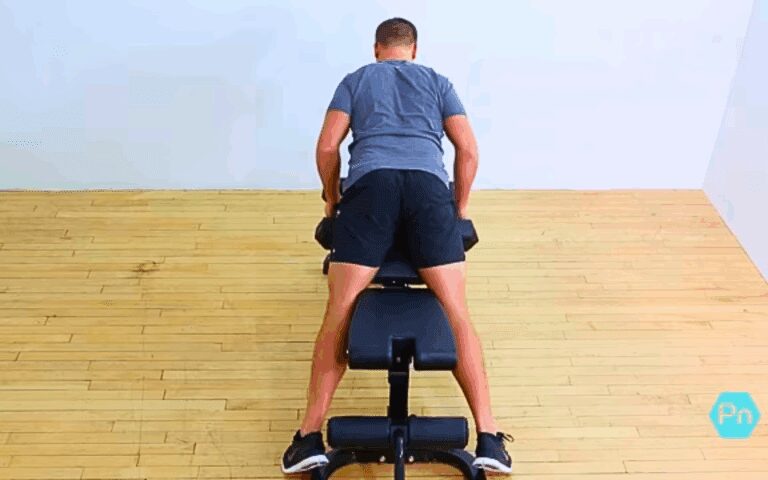
- The Dumbbell Row (Bent-Over or Supported): The cornerstone. Anchor your non-working hand on a bench, knee, or nothing at all if your core is steel. Keep your back flat, torso near parallel. Pull the dumbbell straight up towards your hip, elbow brushing your side. Feel the lat stretch deep, then contract hard. Pro Tip: Try a slight incline on the bench for a different angle hitting the lower lats.
- The Renegade Row: Plank position, dumbbells in hand. Row one dumbbell while maintaining a rock-solid core and hips square to the floor. This isn’t just a back killer; it’s an anti-rotational core crusader. Brutal. Effective.
- The Dumbbell Deadlift: Don’t underestimate the power of the hinge. Dumbbell deadlifts, whether conventional or Romanian (RDLs), hammer your erectors, traps, and lats isometrically. They build the raw, foundational power your other pulls rely on. Keep those dumbbells close, dragging them up your legs.
- The Dumbbell Pullover: Lie perpendicular across a bench, only your upper back supported, feet planted firmly. Hold one heavy dumbbell vertically by one end over your chest. Keeping a slight bend in your elbows, lower the weight back behind your head in an arc, feeling that deep lat stretch. Pull it back over using your lats, not your triceps. An old-school mass builder.
- The Dumbbell Shrug: For upper trap thickness that climbs your neck. Stand tall, dumbbells at your sides. Elevate your shoulders straight up towards your ears as high as possible. Squeeze hard at the top. Forget the rolling motion; pure vertical pull is key. Go heavy, but controlled.
- The Dumbbell Face Pull (Using Dumbbells & Towel/Band): Okay, slightly creative, but essential for rear delts and upper back health. Anchor a sturdy towel or resistance band around a post. Grab an end in each hand, step back. Pull the towel/band towards your face, flaring elbows high and wide, squeezing shoulder blades together. Works wonders with light dumbbells held for extra resistance too.
Dumbbell vs. Barbell: Key Back Angles Compared (TABLE)
| Movement | Dumbbell Advantage | Barbell Limitation |
|---|---|---|
| Row Path | Natural Arc: Each arm follows optimal scapular path | Fixed Path: Hands locked, less scapular freedom |
| Range of Motion | Deeper Stretch: Can pull slightly further back & down | Bar Blocks: Bar contact limits full ROM |
| Unilateral Training | Built-In: Forces each side to work independently | Requires Accessory Work: Typically bilateral |
| Torso Angle Shift | Instant Adjustment: Easily switch horizontal/vertical emphasis | Fixed Angle: Less versatility mid-set |
| Muscle Imbalance Correction | Automatic: Exposes & corrects side-to-side differences | Can Mask: Stronger side can compensate |
Programming the Assault: Super Sets, Intensity, and the Art of the “Kill Set”
Simply doing exercises isn’t enough. You need to smash your back from multiple angles, maximize time under tension, and leave nothing in the tank. Here’s how:
- Embrace the Super Set (Non-Competing): This is the golden ticket for home warriors. Pair a horizontal pull (like Rows) with a vertical pull (like Pullovers). While one muscle group rests, you’re hammering the other. Minimal rest, maximal carnage. Example:
- Set 1: Heavy Dumbbell Rows (8 reps)
- *Minimal Rest (15-30 sec)*
- Set 1: Dumbbell Pullovers (12 reps)
- Rest 90-120 seconds. Repeat 3-4 times.
- Progressive Overload is Non-Negotiable: You must get stronger. Add reps. Then add weight. Then slow the tempo. Then reduce rest. Your dumbbells need to feel heavier over time, or your back will just yawn. Track your lifts.
- Chase the Contraction, Not Just the Weight: Charles Damiano, B.S. Clinical Nutrition, puts it bluntly: *”A 50lb dumbbell moved with perfect mind-muscle connection will build more real tissue than an 80lb dumbbell yanked with your ego. Feed the muscle, not the momentum.”* Squeeze hard at the top of every rep. Hold it for a count. Feel the burn.
- Go To Failure (Safely): On your final set of a key exercise, take it to the point where you physically cannot complete another full rep with good form. This “kill set” is where growth signals scream loudest. Have a spotter for heavy rows if possible, or know your limits.
The Final Rep: Your Garage, Your Temple, Your Massive Back
So, can you build a big back with just dumbbells? The iron doesn’t lie. Absolutely, unequivocally, yes. It requires understanding the intricate map of muscles on your back. It demands mastering movements that feel less like lifts and more like dragging the earth itself towards you. It insists on a relentless pursuit of progress, rep by grueling rep.
Forget the noise about needing more. Your ambition is the only real prerequisite. Grab those dumbbells. Bend at the hips. Feel the stretch deep in the lats. Now pull. Pull like your back’s future depends on it – because it does. Pull until the muscles shriek and the sweat runs in rivers. Do that consistently, intelligently, with dumbbells that grow heavier in your hands over the weeks and months, and the results will write themselves across your shoulders and down your spine. A big back isn’t about the equipment; it’s about the effort you’re willing to pour into it. Now get to work. Your wings await.