Double Wood Lion’s Mane declares a 1,000mg per-serving dose and, unlike most of the competition, publishes an actual lot-level Certificate of Analysis from an accredited outside lab. That’s a documentation spec most brands in this category don’t offer at all. We broke down the source material, the testing paperwork, and where the price sits against the rest of the shelf.

The Spec Sheet: Declared Dose, Published Testing
1,000mg per serving. Declared, not implied. Each 2-capsule dose states 1,000mg of Organic Lion’s Mane (Hericium erinaceus), specifically the entire fruiting body, mycelium, and extracellular compounds together. That’s a different sourcing claim than a fruiting-body-only product: this label says the whole organism made the cut, not one fraction of it.
The real standout is the paperwork. Double Wood states its Lion’s Mane runs through an ISO/IEC 17025:2017-accredited laboratory, with a published, lot-specific Certificate of Analysis covering identity, microbial screening, and heavy-metal testing (lead, mercury, arsenic, cadmium, all via ICP-MS). Every other ingredient is just hypromellose and rice flour. Nothing to decode.
- Species: Single (Hericium erinaceus).
- Source Material: Whole organism (fruiting body + mycelium + extracellular compounds).
- Dose Per Serving: 1,000mg (2 capsules).
- Testing: ISO/IEC 17025-accredited lab, published lot-level COA.
- Count: 120 capsules, stated as a 2-month supply.
“Most labels tell you what’s in the capsule. This one also tells you who tested it, at what accreditation level, and hands you the lot number to look it up yourself. That paper trail is rare in this category, and it’s worth something independent of the dose itself.”
— Charles Damiano, B.S. Clinical Nutrition
Selection Matrix: Who Double Wood Fits
- The Paper-Trail Buyer: You want a lot-specific, published Certificate of Analysis from an accredited lab, not just a “third-party tested” claim with no documentation. This is the only product in this cluster to publish that level of detail.
- The Value Buyer: This typically sits at a lower price point than the fruiting-body-only competitor in this cluster.
- The Whole-Organism Reader: The label states fruiting body, mycelium, and extracellular compounds together, not a fruiting-body-only fraction.
- The Fruiting-Body Purist: If you specifically want fruiting body only with no mycelium content, Real Mushrooms states that claim explicitly; this product does not.
Double Wood Pros and Cons
The Advantage (Pros)
- Published Lot-Level COA: Full identity, microbial, and heavy-metal panel from an accredited lab.
- Declared 1,000mg Dose: Stated plainly, no proprietary blend.
- Whole-Organism Formula: Fruiting body, mycelium, and extracellular compounds all declared.
- Competitive Price Tier: Generally priced below the fruiting-body-only capsule in this cluster.
The Trade-off (Cons)
- No Fruiting-Body-Only Claim: Includes mycelium content, unlike Real Mushrooms’ fruiting-body-exclusive formula.
- No Beta-Glucan Percentage Declared: The label states total milligrams, not a specific compound concentration.
- Globally Sourced Raw Material: Manufactured and tested in the USA, but the ingredient itself is globally sourced rather than domestically grown.
“A lot number and an accredited lab name are things you can actually verify. Most labels in this category ask you to trust the brand’s word. This one hands you a reference number and tells you to go check it yourself.”
— Eugene Thong, CSCS
Market Contrast: Double Wood vs. the Capsule Field
| Capsule | Source Material | Testing Documentation |
|---|---|---|
| Double Wood | Fruiting body + mycelium blend | Published lot-level COA |
| Real Mushrooms | 100% fruiting body | Third-party stated, no public COA cited |
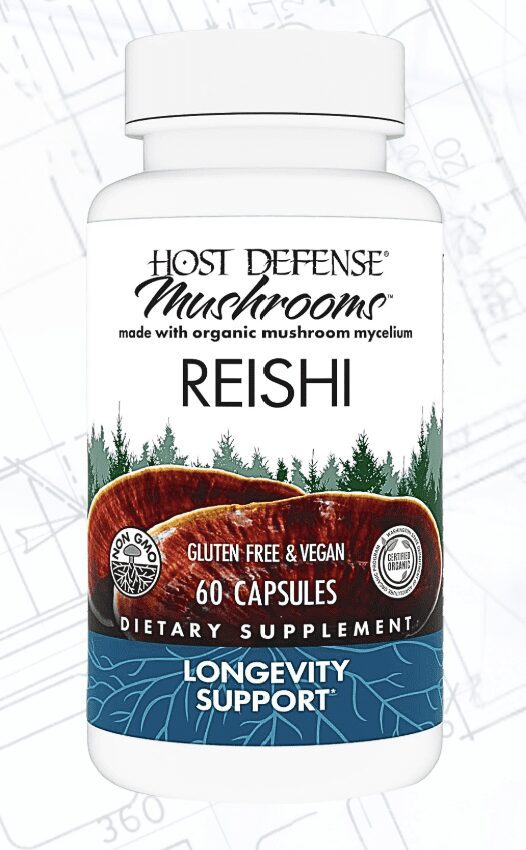
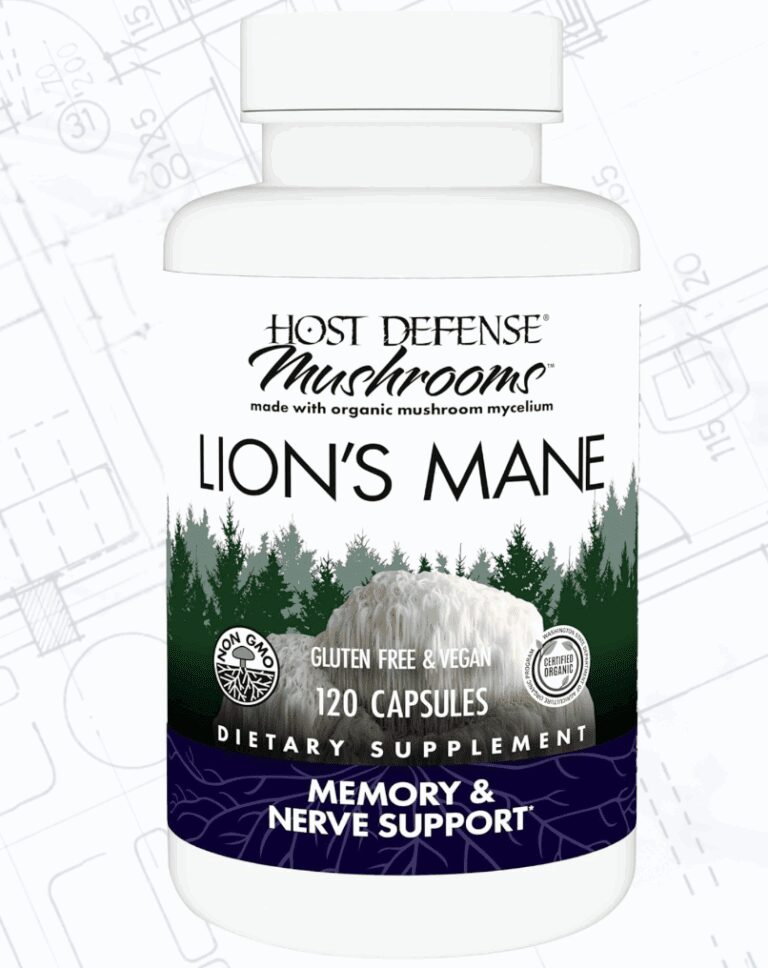
| Host Defense | Mycelium on rice substrate | Not publicly detailed |
For the widest species blend format, see the full Mushroom Coffee & Lion’s Mane Spec Guide.
Double Wood Spec FAQ
- Is Double Wood Lion’s Mane fruiting body or mycelium?
- Both. The label declares entire fruiting body, mycelium, and extracellular compounds together, rather than a fruiting-body-only extract.
- Does Double Wood publish lab testing results?
- Yes. The brand states testing by an ISO/IEC 17025:2017-accredited laboratory with a published, lot-specific Certificate of Analysis covering identity, microbial, and heavy-metal panels.
- How many capsules per day?
- 2 capsules for the standard 1,000mg dose; some listings note this can be repeated with meals for a higher total daily intake.
- Where is the Lion’s Mane sourced from?
- The label states globally sourced ingredients, with manufacturing and testing conducted in the USA.
Final Verdict: The Documentation Standout
Double Wood wins on paper. Literally. A published, lot-specific Certificate of Analysis from an accredited lab is rare in this category, and it sits alongside a plainly declared 1,000mg dose with nothing hidden. The trade is a whole-organism formula instead of a fruiting-body-only claim. Purity matters more to you than paperwork? Put this head to head with Real Mushrooms and compare directly.
Verdict: Declared Dose, Published COA
1,000mg per serving, accredited-lab testing, published lot documentation. Check current pricing before you buy.
Part of our Mushroom Coffee & Lion’s Mane Spec Guide. Also see: Real Mushrooms Lion’s Mane • Host Defense Lion’s Mane