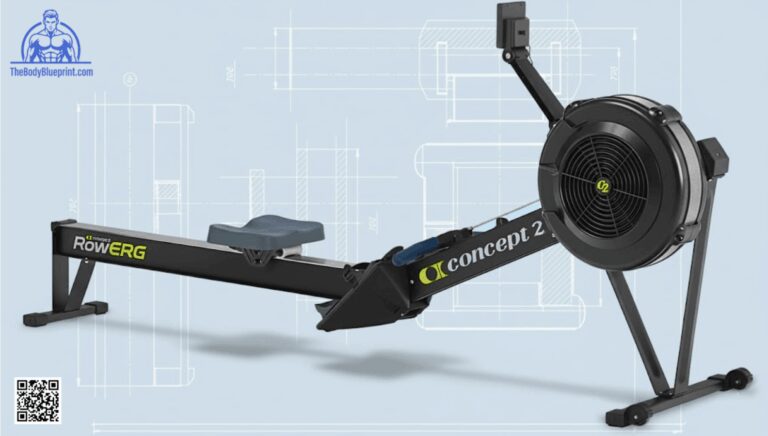
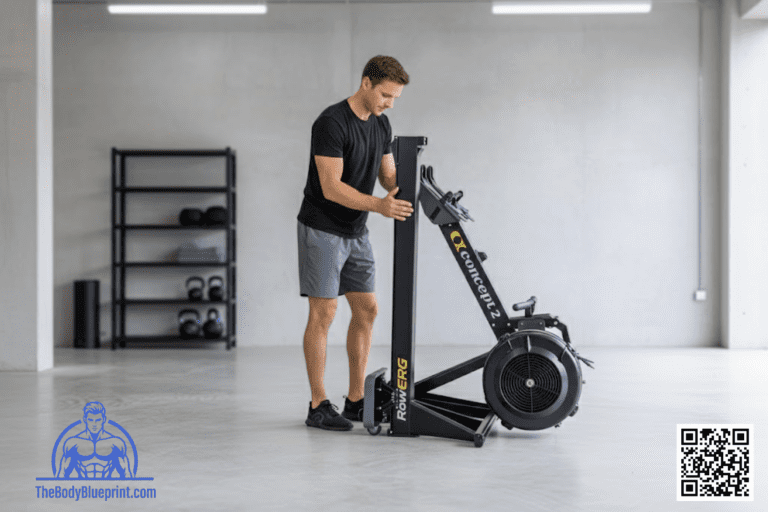
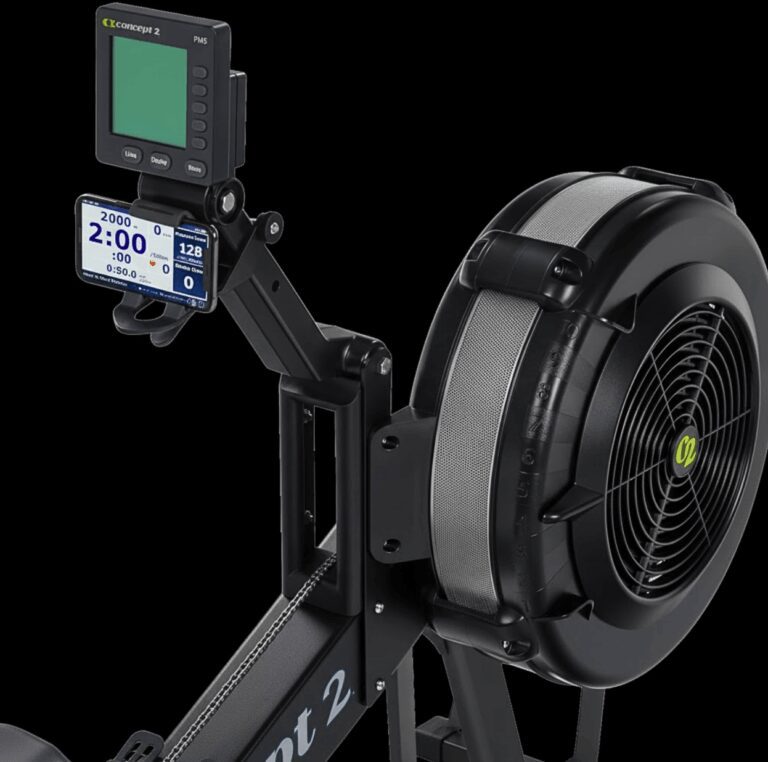
Clean stroke sequencing, a correctly timed drive phase, and a controlled recovery are the three mechanics that make or break every pull on a Concept2 RowErg. Sloppy technique doesn’t just cost you speed. It costs your lower back. This 2026 breakdown maps the stroke phase by phase so you row with power instead of just moving the flywheel.
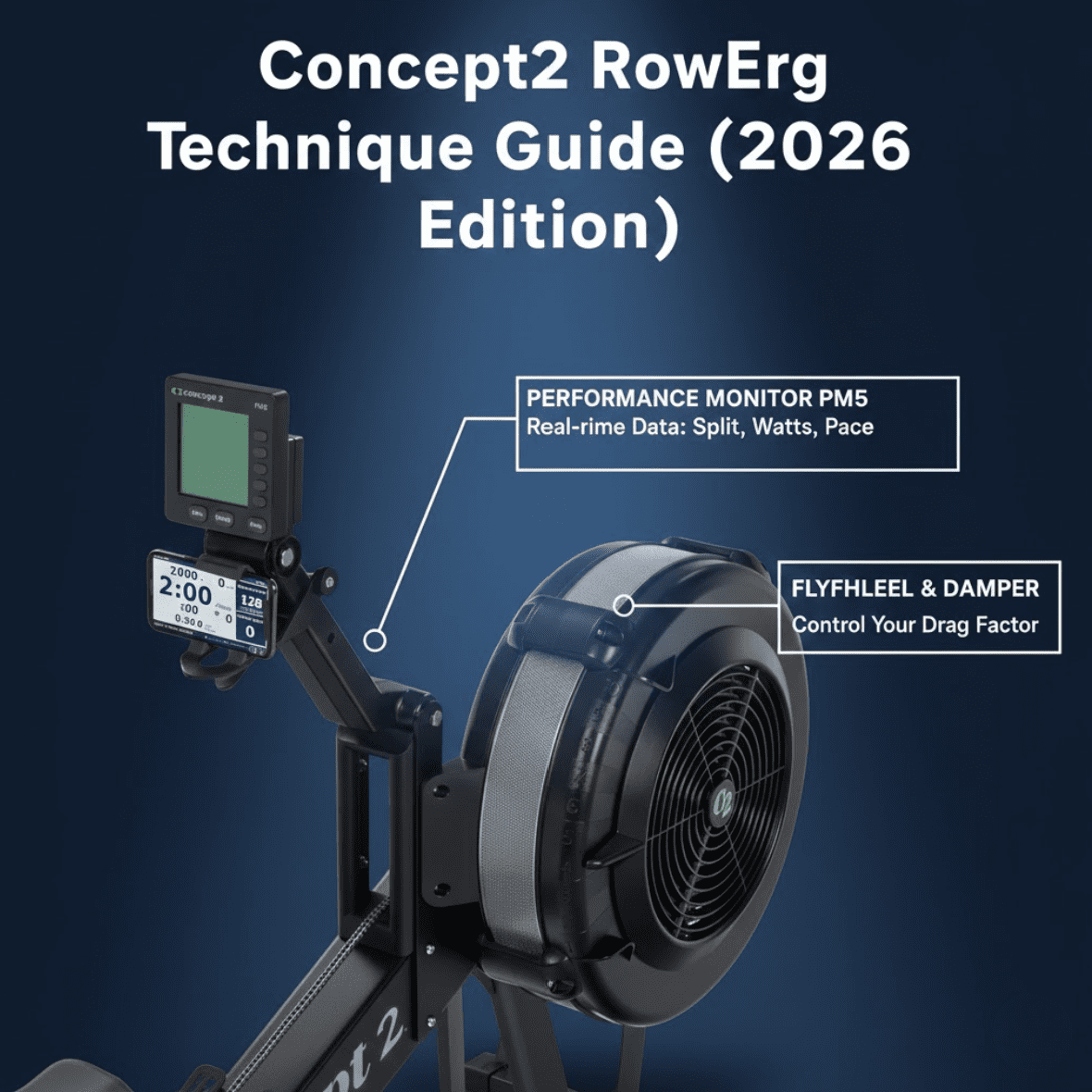
If you’re still getting comfortable with the machine itself, the Setup and Assembly Guide covers footrest height, damper settings, and monitor position before you focus on technique here.
The Stroke Sequence: Legs, Body, Arms
Every efficient stroke on the Concept2 RowErg runs through the same fixed order: legs, body, then arms on the drive, and the exact reverse on the recovery. That sequence isn’t a style preference. It’s the mechanical foundation everything else in this guide builds on. Break the order and you break the power transfer.
The Drive
- Legs push first.
- Body swings open second.
- Arms pull last.
The Recovery
- Arms extend first.
- Body pivots forward second.
- Legs slide last.
This legs-body-arms order creates a smooth, repeatable rhythm that protects your lower back while maximizing force output. Reverse the sequence, even slightly, and you shift load onto your spine instead of your legs. Sequence first. Power second. Speed follows both.
The Drive Phase: Where Power Gets Made
The drive phase is the only part of the stroke that generates speed, and it runs through four distinct checkpoints: the catch, leg drive, body swing, and arm pull. Treat it like a leg press that transitions into a clean pull, not a single explosive yank. Rushed drives feel powerful and measure weak.
1. The Catch
- Shins vertical.
- Arms straight.
- Core braced.
- Shoulders slightly in front of hips.
2. Leg Drive
- Push through your heels.
- Keep arms long.
- Maintain a strong torso angle.
3. Body Swing
- Open the hips once legs are nearly straight.
- Keep the chain level.
4. Arm Pull
- Pull the handle to your lower ribs.
- Elbows travel straight back.
- Wrists stay flat.
The leg drive on a rowing stroke is like the first pull of a deadlift off the floor. If your legs fire late or your arms bend early, you’re pulling weight with your back instead of driving it with your posterior chain. Sequence the legs first and the rest of the stroke almost takes care of itself. — Eugene Thong, CSCS
The Recovery Phase: Where Control Gets Built
The recovery phase resets your position for the next drive, and it should feel unhurried, not passive. Arms away, body over, then a slow slide forward, in that exact order. A rushed recovery is where most technique breakdowns actually start, not the drive itself.
1. Arms Away
- Extend arms fully before moving your torso.
2. Body Over
- Pivot forward from the hips.
- Maintain a neutral spine.
3. Slide Forward
- Let the seat glide forward.
- Keep shoulders relaxed.
- Arrive at the catch ready to drive.
Recovery should run at roughly twice the duration of the drive, a 1:2 rhythm that lets the flywheel decelerate naturally. Rushing this half of the stroke doesn’t save time. It just arrives at the catch out of position and out of rhythm. Slow the recovery down on purpose.
Aerobic economy on a rower comes from wasted motion, not wasted effort. A rushed recovery burns energy fighting the flywheel’s own deceleration instead of working with it. Slowing the slide down doesn’t cost you conditioning. It’s what lets you hold your split for the full session instead of fading in the back half.
— Charles Damiano, B.S. Clinical Nutrition
Common Technique Mistakes
Four errors account for most of the wasted energy and back strain on a Concept2 RowErg, and all four trace back to a broken sequence. Fix the order and most of these disappear on their own.
Mistake 1: Pulling Early With the Arms
Fix: Keep arms straight until the legs are nearly extended. Early arm pull cuts leg drive short and shifts load to smaller muscles.
Mistake 2: Over-Reaching at the Catch
Fix: Shins vertical, torso slightly forward, no collapsing at the shoulders. Reaching past this point adds zero power and real spine risk.
Mistake 3: Rushing the Slide
Fix: Slow the recovery down and let the flywheel decelerate before you initiate the next drive. Speed here is wasted motion, not conditioning.
Mistake 4: Leaning Back Too Far
Fix: Finish with a slight layback, not a full recline. Overextending the finish adds no drive and compresses the lower back on the next catch.
Technique Drills for Daily Practice
These four drills isolate one part of the stroke sequence at a time, which is the fastest way to fix a broken pattern. Run one before your main session, not as the entire workout.
Drill 1: Legs-Only Rowing
- Arms straight, torso still.
- Focus entirely on leg drive.
Drill 2: Legs Plus Body
- Add hip swing after the leg drive.
- Arms stay straight throughout.
Drill 3: Pause at the Finish
- Row normally, pause for 1 second at the finish.
- Builds control and finish posture.
Drill 4: Pick-Ups
- 10 hard strokes every 30 seconds.
- Effective for warm-ups and rhythm work.
Stroke Rate: How Fast Should You Row?
Stroke rate, measured in strokes per minute on the PM5, controls both rhythm and training intensity independent of your split time. Match the rate to the goal of the session, not the other way around.
- 18 to 20 SPM: Technique work and steady state.
- 22 to 24 SPM: Moderate aerobic efforts.
- 26 to 30 SPM: Intervals and threshold work.
- 30 to 36-plus SPM: Sprints and HIIT.
For structured interval sessions built around these ranges, see the HIIT and Conditioning Workouts guide.
Who This Guide Is For
This breakdown assumes your Concept2 RowErg is already set up correctly and targets stroke mechanics specifically, not machine setup. Match your starting point to the right guide before you dig into drills.
Start Here If
- Your rower is already assembled and calibrated. This guide covers the stroke, not damper settings or footrest height.
- You want to fix a specific fault. Early arm pull, over-reaching, or a rushed slide all get direct fixes above.
- You’re training for CrossFit benchmarks or a 2K test. Clean sequencing is what separates a fast split from a wasted one.
Go Elsewhere If
- You haven’t set up the machine yet. Start with the Setup and Assembly Guide first.
- You want programmed workouts, not technique. The Beginner Workouts guide covers structured sessions.
- You have an existing back injury. Get individual clearance and coaching before loading volume on this movement pattern.
Related Concept2 Guides
The Iron Lexicon: Technique Edition
- Catch
- The starting position of the stroke, where the legs are fully compressed and the handle sits at the front of the slide.
- Drive
- The power phase of the stroke, sequenced legs, then body, then arms.
- Recovery
- The controlled return to the catch, sequenced arms, then body, then legs.
- SPM (Strokes Per Minute)
- Your stroke rate, the key variable for controlling pacing and training intensity.
- Flywheel
- The spinning wheel that generates resistance through air drag, decelerating naturally during the recovery phase.
Frequently Asked Questions
- What’s the correct order for the rowing stroke?
- Legs, body, arms on the drive, then arms, body, legs on the recovery, in that exact order every time. This sequence is the single biggest technique factor on a Concept2 RowErg. Breaking it shifts load off your legs and onto your lower back.
- Why does the recovery matter as much as the drive?
- A rushed recovery phase puts you out of position at the next catch, which compounds into every stroke that follows. The 1:2 drive-to-recovery ratio lets the flywheel decelerate naturally instead of fighting your own momentum.
- What stroke rate should I use for technique work?
- Stay in the 18 to 20 SPM range while you’re actively correcting a sequencing fault. Higher stroke rates make bad mechanics harder to feel and easier to reinforce. Add rate once the pattern is clean.
- How do I know if I’m pulling early with my arms?
- If your elbows bend before your legs are nearly straight, you’re pulling early, and it’s the most common fault on the drive. Legs-only rowing drills isolate this directly and make the fault obvious within a few strokes.
Verdict: Sequence First, Power Follows
Legs, body, arms on the drive. Arms, body, legs on the recovery. Every drill and fix in this guide exists to protect that one sequence. Clean mechanics on a Concept2 RowErg aren’t optional polish. They’re the entire engine.
Note: Prices subject to change. Verified 2026 technique guide. Stop and consult a professional if you feel sharp lower back pain rather than muscular fatigue.