Box squats are the barbell’s version of a truth serum: they force you to stop at the bottom, kill the rebound, and answer for your strength with no momentum to hide behind. Powerlifters use them to dominate the hole, and athletes use them to rebuild the posterior chain. Done right, they build explosive hip drive and bulletproof form; done wrong, they humble you in front of everyone. We broke down the anatomy, the pros and cons, the mastery cues, and who should actually let the box judge them.
The Anatomy of a Box Squat: Physics, Fear, and Friction
Box squats force you to stop at the bottom, killing momentum and turning the lift into a raw test of strength. Unlike a traditional squat, where elastic energy helps you rebound out of the hole, here you sit back onto the box, pause, and start from a dead stop. Your hips hinge back, knees track outward, and for a heartbeat you are stranded on the box: muscles screaming, spine stacked, breath held.
The science is simple: removing the stretch reflex forces your posterior chain (glutes, hamstrings, lower back) to work harder. No bounce, no rebound, no charity reps. No bounce, no rebound, no charity reps.
“Box squats don’t lie. If you’re weak at the bottom, the box will humiliate you.”
Eugene Thong, CSCS
For the full mechanics of the traditional squat, depth, and stance, see our squat blueprint. The box squat is a variation; the squat is the base.
Who Should (and Shouldn’t) Let the Box Judge Them
The box is a merciless referee, and it only accepts lifters who belong in front of it. Here is the honest split.
- Do it if you are a powerlifter needing to dominate the hole: the box is the depth governor your competition squat demands.
- Do it if you are an athlete rebuilding form after injury: the box acts as a judge that never moves.
- Do it if you are an ego lifter who cheats depth: the box is a referee with zero tolerance for half reps.
- Do it if you are a hypertrophy hunter: the pause adds time under tension that glutes and hamstrings feel for days.
- Skip it if your mobility is limited: if you cannot hit depth without a box, you have homework first. See our beginner resistance training guide to build the foundation.
- Skip it if you chase speed: box squats are slow, deliberate grinds, and they will not change personality for CrossFit.
- Skip it if you are allergic to discomfort: this is not a casual flirtation with weight.
Pros vs. Cons: The Unvarnished Ledger
Every tool has a trade-off, and the box squat wears its ledger openly.
| Pros | Cons |
|---|---|
| Eradicates momentum cheating | Feels awkward initially |
| Builds explosive hip drive | Requires precise box height setup |
| Reduces knee strain | Not ideal for quad-focused goals |
| Teaches patience under load | Risk of sitting too long and losing tension |
“Box squats are a metabolic sledgehammer. They demand more from your CNS, so fuel accordingly.”
Charles Damiano, B.S. Clinical Nutrition
The Dark Art of Box Squat Mastery
Four cues separate the box squat from a bench with a bar on your back. Nail these and the box becomes a strength tool instead of a punishment.
- Box height: start just below parallel. Too high and you are cheating; too low and you fold like origami.
- The pause: one to two seconds, no rocking. Let the weight settle and your nervous system reset.
- The launch: drive through the heels, push the floor away, and lead with the hips.
- The common pitfall: rounding the lower back as you sit. Imagine the box is a cactus. Touch it gently, do not collapse into it.
Box squats belong in the leg training arsenal alongside squats, hinges, and lunges.
Box Squat FAQ: Unboxing the Grit
Can I use a park bench or couch, or do I need a real box? The box is your judge, jury, and executioner, so choose wisely. A plyo box between 12 and 18 inches is ideal: stable, flat, and unyielding. Benches and couches risk tilting or collapsing under heavy loads. “A wobbly surface turns a strength drill into a circus act,” warns Eugene Thong. If you are DIY-ing it, stack bumper plates or use a sturdy ottoman, and avoid anything that caves, shifts, or whispers failure.
Will box squats make me slower on the field or platform? Depends on your vice. Box squats prioritize starting strength, the ability to explode from a dead stop, which is gold for sprinters and footballers. Olympic lifters who need rapid rebounds might find them counterproductive. Charles Damiano: “They’re a tool, not a religion. Cycle them in during off-season strength phases, then pivot to dynamic lifts.”
How do I stop my knees from screaming during box squats? Knee pain usually signals a form betrayal. Are you shoving your knees forward like a grocery cart? Box squats demand sitting back, not down. Imagine closing a car door with your hips. If pain persists, lower the weight and drill tempo squats to rebuild the motor pattern. “The box isn’t the villain, your impatience is,” says Thong.
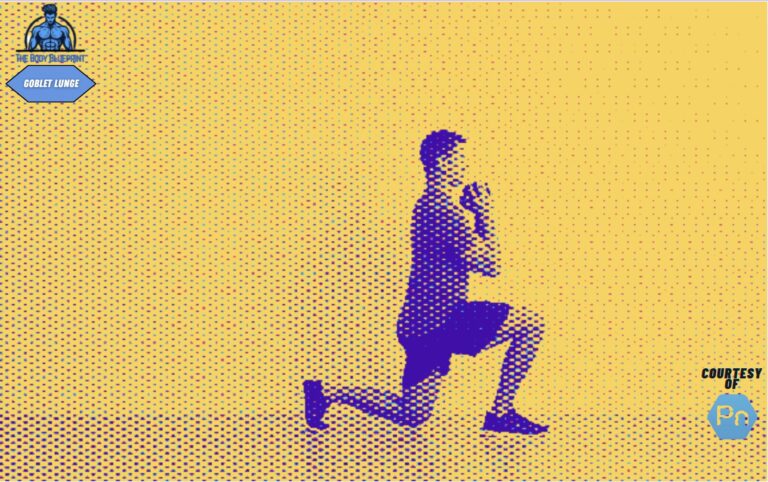
Can box squats fix my terrible hip mobility? No, but they will expose it. The box forces honesty about your range of motion. If you cannot sit to depth without rounding your spine, pair box squats with hip flexor stretches and goblet squats. “Mobility work is the quiet kid in the corner who eventually wins the fight,” Damiano quips.
Why do I feel box squats more in my lower back than my glutes? You are likely good morning-ing the weight up by leaning too far forward. Box squats target glutes and hamstrings, but only if you drive through the heels and lead with the hips. Film your set: if your torso dips below 45 degrees, deload and practice box squat iso-holds to ingrain hip-dominant mechanics.
How long until I see results, and what does results even mean here? Define your win. Strength: four to six weeks of grinding twice a week, adding five pounds per session. Hypertrophy: eight to twelve weeks with metabolic finishers like box squat pulse sets. The real result is invisible: confidence under load. As Thong says, “The box teaches you to own the weight, not just survive it.” Track progress by how the pause feels: less panic, more power.
The Verdict: Worth the Pain?
Box squats are not magic; they are a scalpel for specific weaknesses. If you are chasing raw strength, rehabbing with control, or hungry for glute gains, they are a vicious tool. If you are after quads like boulders or thrive on rhythm-driven pumps, stick with the classics.
Final rep: the box is the barbell’s truth serum, and it does not care about your Instagram PR. It exposes leaks in your technique, tests your grit, and forges a backside that could crack walnuts. Pair it with upper-body work like a daily pushup routine and you have a no-excuses full body setup.
Verdict: Respect the Box. It Earned It.
Step up, sit down, and decide if you are here to survive or thrive. The box will tell you the truth either way.
Scientific Anchors:
- Pausing at the bottom removes elastic energy storage and shifts demand to concentric force production (Komi, Journal of Biomechanics, 2000).
- Pause-based training develops the ability to produce force from a dead stop (Tillin & Folland, Sports Medicine, 2014).
- Progressive overload remains the primary driver of strength adaptation (Schoenfeld, 2016).
The Box Squat Lexicon: Terms That Matter
Stretch Reflex
The elastic rebound a muscle produces when stretched quickly. The box removes it, which is the entire point.
Starting Strength
The ability to produce force from a dead stop. The box squat’s specialty.
Depth
How low you descend. Box height governs it, and the box never negotiates.
Posterior Chain
The glutes, hamstrings, and lower back. The muscles the box squat exists to build.
Time Under Tension
How long a muscle works during a set. The pause is where box squats add it.