Forget the basic fish oil your dad takes for “heart health.” The right omega-3 protocol is a legal recovery hack—cutting inflammation, smoothing joint pain, and turning your body into a muscle-repair machine between brutal training sessions.
This 2026 Guide cuts through the algae-sourced marketing fluff and rancid bottle scams to break down the only omega-3s that move the needle for lifters and athletes. We’re talking molecular differences, clinically backed dosing, and the five products that actually work.
Disclaimer: You’re here to find a product that’ll get you results, and I’m here to help. Just a heads-up: As an Amazon Associate, I earn from qualifying purchases. If you buy through my links, I get a small commission at no added cost to you. It’s like I get a little something for doing the heavy lifting on research. Fair deal? Now, let’s get into the good stuff.
First, understand the weapon. Read our deep dive on How Omega-3s Actually Work for Athletes.
Recovery-Grade Omega-3s: What You’re Actually Looking For
Not all omega-3s are created equal. For training-induced inflammation and muscle repair, you need specific forms and doses that general health guidelines don’t touch.
- Active Compounds: EPA (Eicosapentaenoic acid) and DHA (Docosahexaenoic acid). EPA is your primary anti-inflammatory weapon. DHA supports brain and nervous system recovery.
- Threshold Dose: For active lifters, studies show benefits kick in at a minimum of 2,000 mg combined EPA/DHA daily. The 1,000 mg capsule from the drugstore is a placebo.
- Form Matters: Triglyceride-form (rTG) fish oil and phospholipid-bound krill oil offer superior absorption over cheap ethyl ester forms. This isn’t a minor detail—it’s the difference between a product that works and one that gives you fish burps.
- Freshness = Potency: Oxidized (rancid) oil is pro-inflammatory, not anti-inflammatory. Packaging and sourcing are non-negotiable. For a top-tier option that nails this, see our Carlson Fish Oil Review.
The Science: How Omega-3s Hack Inflammation & Muscle Repair
This isn’t just “reduce soreness.” It’s about manipulating your body’s biochemical environment to favor repair over breakdown.
The Anti-Inflammatory Mechanism
When you train, you cause micro-trauma. Your body responds with inflammation to clean up and rebuild. Omega-3s directly compete with omega-6s (from processed foods) to produce less inflammatory signaling molecules (eicosanoids).
Real-World Recovery Benefits for Lifters
- Reduced DOMS (Delayed Onset Muscle Soreness): Higher EPA/DHA levels correlate with less severe and shorter-lasting muscle pain.
- Improved Joint Lubrication & Comfort: Supports synovial fluid and can ease the creaky knees and shoulders from heavy pressing and squatting.
- Enhanced Muscle Protein Synthesis: Emerging research suggests omega-3s create a more anabolic environment, potentially improving the muscle-building response to training.
“Think of inflammation after training like a fire. Omega-6s from seed oils pour gasoline on it. Strategic, high-dose omega-3s are the fire extinguisher. For lifters eating in a surplus or using intense training blocks, this is non-negotiable for managing systemic stress.”
— Charles Damiano, B.S. Clinical Nutrition
2026 Product Breakdown: The Only 5 Omega-3s Worth Your Money
We evaluated dozens. These five stand apart for purity, potency, and athlete-specific results.
1. Sports Research Triple Strength Omega-3 (Fish Oil)

- Key Metric: 1,250 mg fish oil yielding 830 mg of EPA/DHA per softgel (Triglyceride Form).
- Why It’s Here: Pure rTG form for max absorption, IFOS 5-star certified (no heavy metals/rancidity), and a cost-effective way to hit a 2,000+ mg daily EPA/DHA target. The workhorse.
- Best For: The lifter who wants no-fuss, high-dose, clean fish oil. Our full review details the testing.
2. MegaRed Krill Oil 500mg
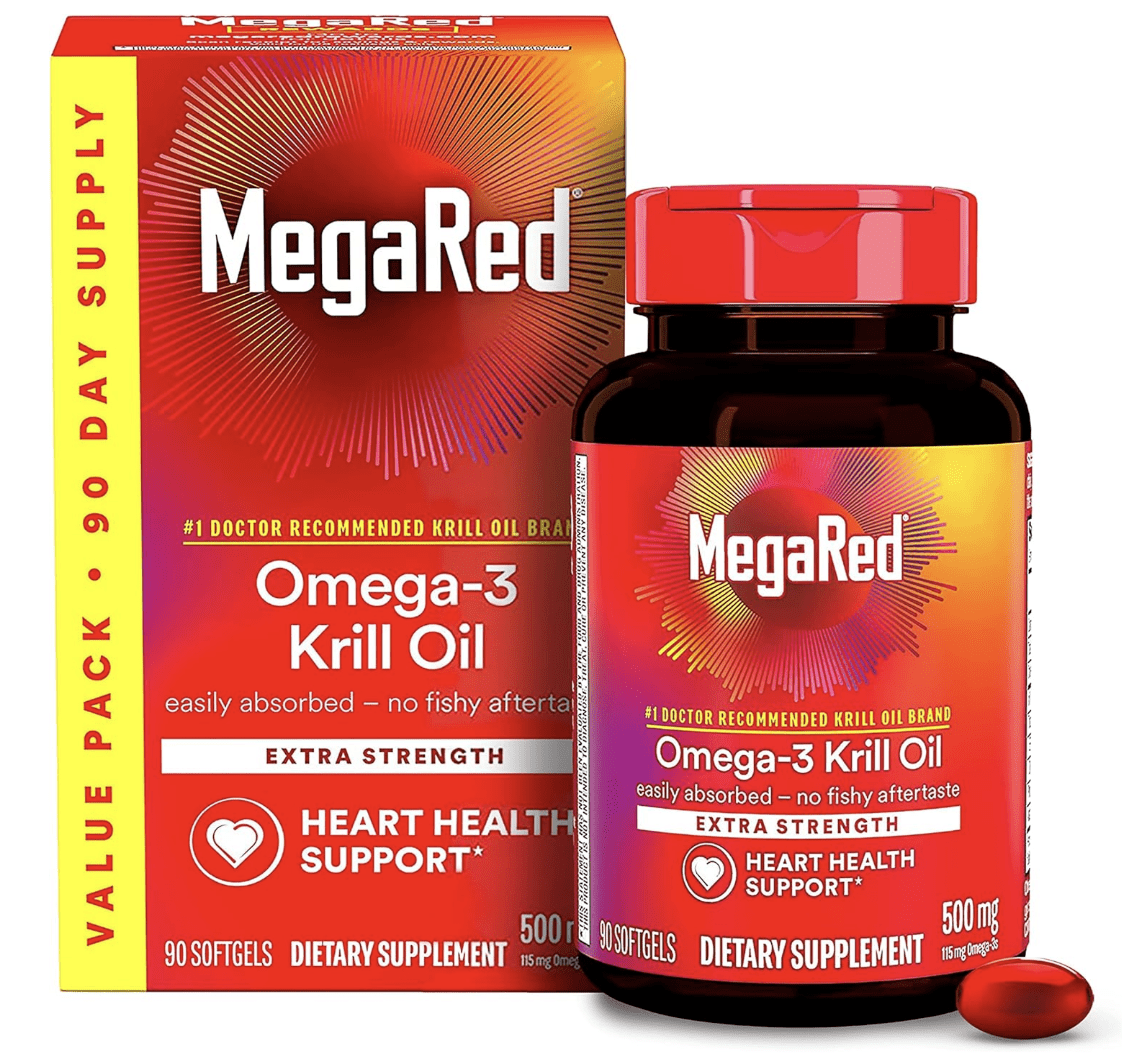
- Key Metric: 500 mg krill oil with 110 mg EPA/DHA + 130 mg phospholipids.
- Why It’s Here: Phospholipid delivery means the omega-3s are built into cell membranes more efficiently. Contains astaxanthin, a powerful antioxidant that protects the oil and provides extra joint support. For a deeper dive on this specific form, read our MegaRed Krill Oil Review.
- Best For: Those sensitive to fish oil burps or wanting the added antioxidant boost. Potency-per-softgel is lower, so dose accordingly.
3. Carlson Fish Oil, Liquid (16.9 fl oz)

- Key Metric: 1,600 mg of EPA/DHA per teaspoon (5 mL). Comes in a 16.9 fl oz (500 mL) bottle, providing about 100 servings.
- Why It’s Here: Industry benchmark for freshness and purity in a liquid form. Tastes like lemon, not fish. The liquid form allows for flexible dosing, making it easy to hit high targets (like 2,000+ mg EPA/DHA) without swallowing multiple capsules. It’s a staple for a reason, and we break down why in our Carlson Fish Oil Review.
- Best For: The purist who prefers liquid, wants to avoid capsules, and trusts a legacy brand. Also great for families or those who want to adjust doses easily.
“The training stimulus is the signal to grow. Chronic inflammation is the static that drowns out that signal. High-dose, quality omega-3s cut the static. It’s one of the few supplements where I’ve seen clients objectively report less joint stiffness and faster rebound.”
— Eugene Thong, CSCS
4. Bronson Antarctic Krill Oil 1000mg
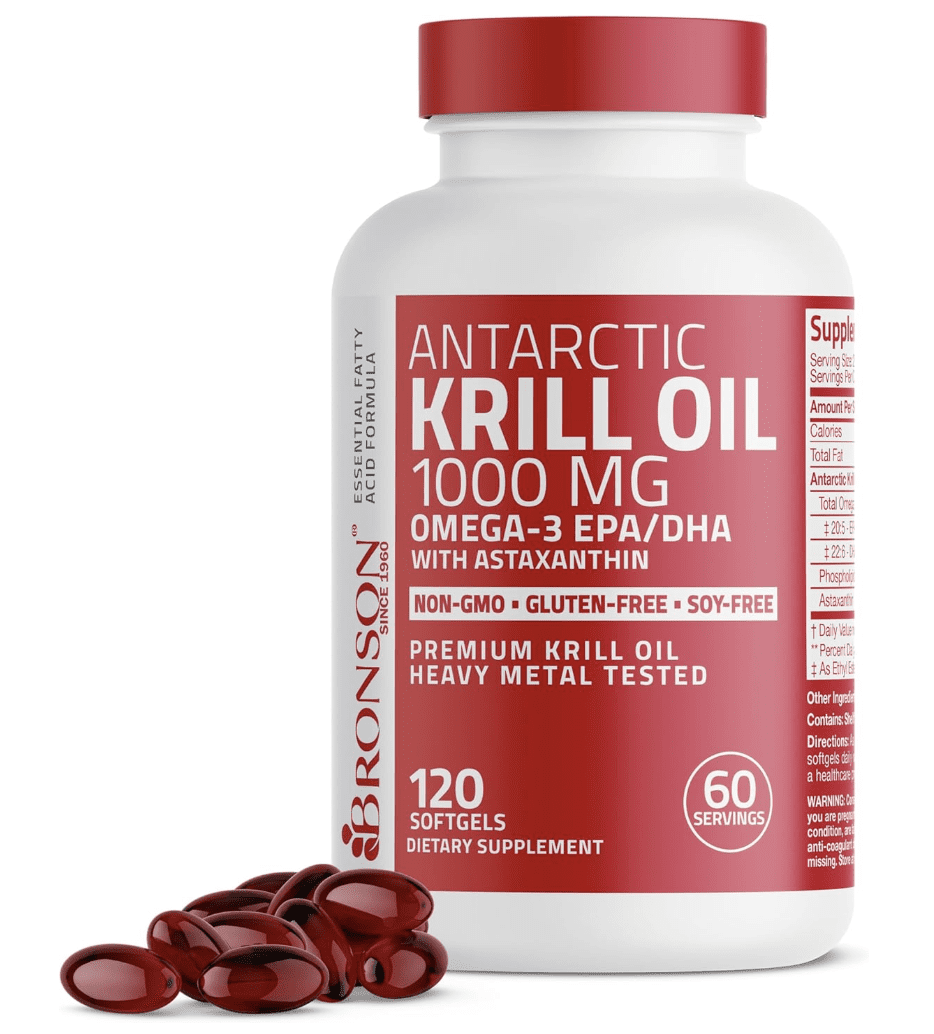
- Key Metric: 1,000 mg krill oil with 230 mg EPA/DHA + phospholipids.
- Why It’s Here: Double the krill oil per softgel compared to standard doses. A more cost-effective entry into high-dose krill supplementation. Sourced from the Antarctic.
- Best For: The krill oil convert who wants higher potency without taking a handful of capsules. A contender from our best krill oil roundup.
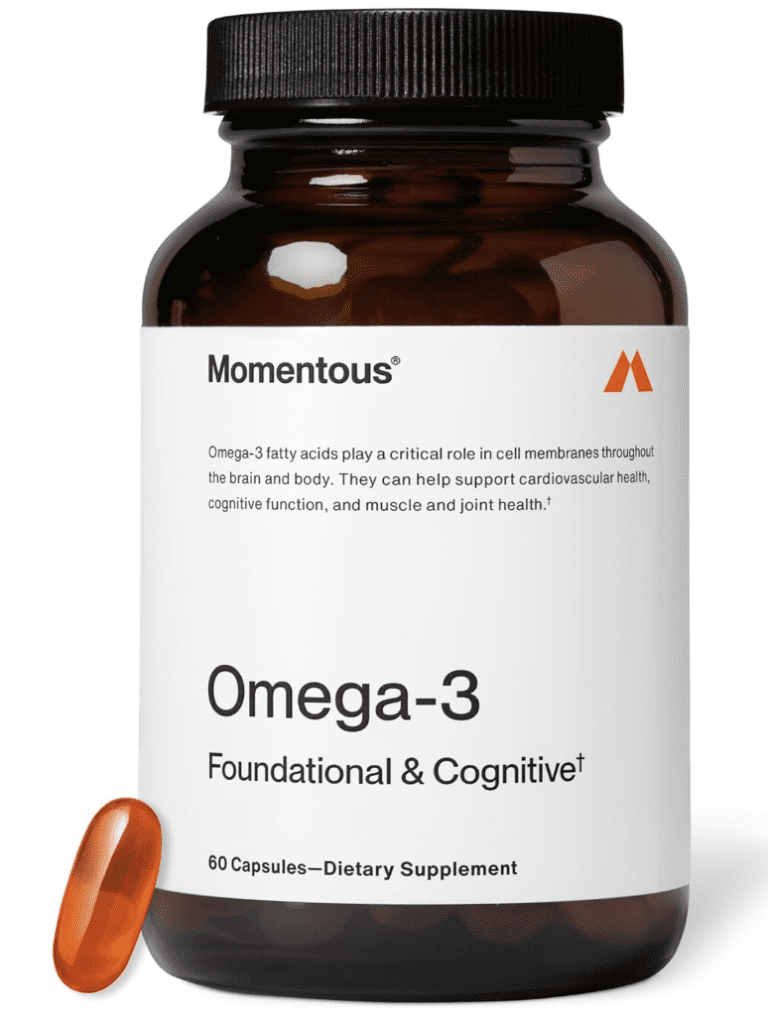
5. Momentous Omega-3 Fish Oil

- Key Metric: 1,460 mg fish oil yielding 1,100 mg of EPA/DHA per softgel (Ultra rTG Form).
- Why It’s Here: The athlete-specific brand. Partners with elite sports organizations. Uses an ultra-refined rTG form for what may be the highest absorption rate on the market. Priced like it, too.
- Best For: The sponsored athlete or biohacker who wants the absolute top-shelf, no-expense-spared option and trusts brand partnerships with teams.
Who Needs Recovery Omega-3s (And Who Doesn’t)
This Protocol Is NON-NEGOTIABLE For:
- Lifters training 4+ days per week with heavy compound movements.
- Athletes in intense conditioning or sprint cycles.
- Anyone over 30 noticing joint stiffness that slows training.
- People with high dietary omega-6 intake (seed oils, processed foods).
You Can Probably SKIP This Deep Dive If:
- You train casually 1-2 times a week with minimal soreness.
- You already eat fatty fish (wild salmon, sardines) 3+ times per week.
- You’re looking for a general health supplement and aren’t pushing physical limits. A standard quality supplement from our main guide will suffice.
- You follow a vegan protocol (in which case, see our Nordic Naturals Algae Omega Review).
The Catch (What Nobody Tells You)
- Cost of Quality: Effective, clean omega-3s are not cheap. The rancid grocery store bottle is cheap for a reason.
- Patience Required: This isn’t a pre-workout. It takes 4-8 weeks of consistent, high dosing to significantly change your body’s fatty acid composition and feel the recovery benefits.
- Blood Thinning Effect: At high doses, omega-3s can thin blood. Consult a doctor if you’re on blood-thinning medication (Warfarin, etc.).
- The Algae Trap: Most algae oils are high in DHA but low in EPA. For muscle recovery, EPA is king. Don’t get fooled by the marketing unless it’s specifically formulated for athletes.
“Dose dictates the effect. The 250 mg of EPA in a generic supplement is a drop in the ocean for an inflamed athlete. You need to flood the zone. Pairing this with a low-omega-6 diet is the real fat loss and recovery hack.”
— Charles Damiano, B.S. Clinical Nutrition
Fish Oil vs. Krill Oil: 2026 Recovery Showdown
| Feature | Fish Oil (rTG) | Krill Oil |
|---|---|---|
| EPA/DHA Potency per Capsule | HIGH (800-1100 mg) | LOWER (110-250 mg) |
| Absorption Form | Triglyceride (rTG) | Phospholipids (Built into cells) |
| Added Antioxidants | Usually None | Yes (Astaxanthin) |
| Cost per 1000mg EPA/DHA | LOWER | HIGHER |
| Best For | High-dose, cost-effective recovery | Sensitive stomachs, joint focus + antioxidant boost |
Still unsure? Our definitive guide on Fish Oil vs. Krill Oil breaks down the choice with studies.
“The fish vs. krill debate is overblown. The best omega-3 is the one you’ll take consistently at a high enough dose. For most lifters, that’s a potent rTG fish oil. If you get burps or want the extra joint love, switch to krill and adjust the dose.”
— Eugene Thong, CSCS
Related Recovery & Supplement Guides
- The Omega-3 Fat Burn Hack: How EPA Fuels Metabolism
- Best Krill Oil for Men: Testosterone & Joint Support
- Nordic Naturals Algae Omega Review (Vegan Option)
- No Burp, No Aftertaste: The Guide to Tolerable Omega-3s
The Iron Lexicon: Omega-3 Recovery Edition
- EPA (Eicosapentaenoic Acid)
- The primary anti-inflammatory omega-3 fatty acid. Competes with omega-6s to produce less inflammatory signaling molecules, directly targeting training-induced inflammation and soreness.
- DHA (Docosahexaenoic Acid)
- Supports brain function and nervous system health. Aids in the recovery of the central nervous system after intense training sessions.
- Triglyceride Form (rTG)
- The natural, re-esterified form of fish oil with the highest bioavailability and absorption rate. The gold standard for potency.
- Phospholipid-Bound
- The delivery form in krill oil where omega-3s are attached to phospholipids, integrating directly into cell membranes for efficient use.
- Astaxanthin
- A potent antioxidant found in krill oil that protects the omega-3s from oxidation and provides additional joint and skin support.
- IFOS Certification
- (International Fish Oil Standards) A third-party testing program that verifies purity, potency, and freshness. A 5-star rating is the benchmark.
- Omega-6 to Omega-3 Ratio
- The key dietary metric. The modern diet is skewed ~20:1 (pro-inflammatory). Aiming for a 4:1 or 2:1 ratio through diet and supplementation is the goal for optimal recovery.