For athletes with celiac disease, gluten sensitivity, or anyone who’s tired of gastrointestinal distress after their protein shake. The search for gluten-free protein—the supplement that doesn’t come with a side of inflammation and bloating. Found in your post-workout routine, morning smoothie, anywhere your recovery demands purity. When you realize most protein powders are made in facilities that also process wheat, barley, and rye. Because your gains shouldn’t come at the cost of your gut health. Let’s break it down.
This isn’t another protein powder that may contain trace amounts of gluten from cross-contamination. It’s the pursuit of certified gluten-free protein from brands that understand celiac disease requires a strict diet that involves complete avoidance of any grain containing gluten. While most companies treat “gluten-free” as a marketing checkbox, brands like Transparent Labs built their grass-fed whey isolate on a foundation of verified purity. Every scoop is manufactured in facilities that avoid wheat, spelt, khorasan, barley, rye and any of their derivatives. You’re not buying potential cross-contamination—you’re investing in lean muscle support without the inflammatory consequences.
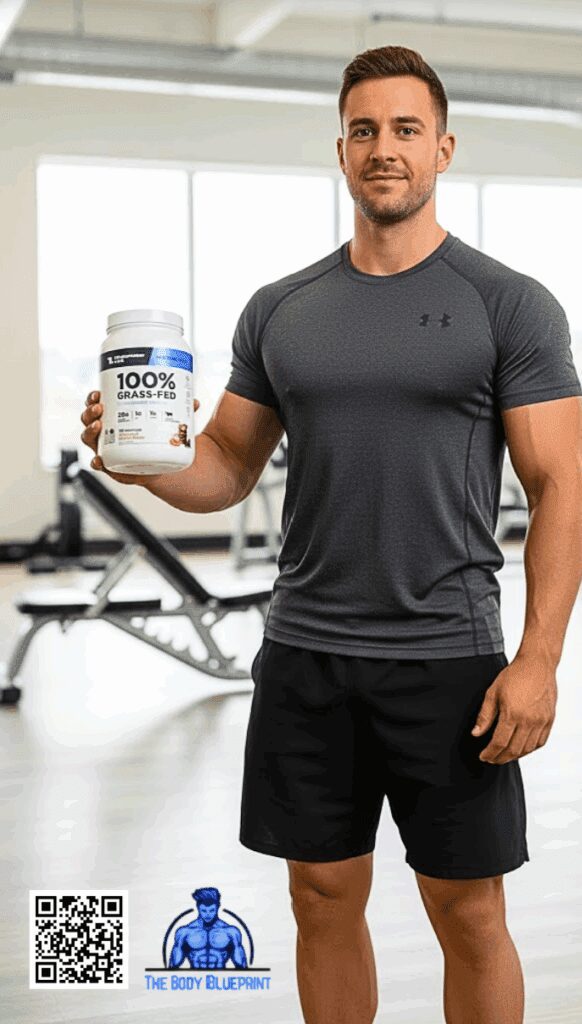
👉 Full Disclosure: Links in this article are affiliate links. I earn a small commission if you buy, at zero extra cost to you. This funds the brutal research that goes into these no-BS reviews. Fair trade for saving you from gluten cross-contamination?
Who Needs Truly Gluten-Free Protein (And Who Might Not Care)
| GLUTEN-FREE PROTEIN IS FOR YOU IF… | MAYBE SKIP IT IF… |
|---|---|
| You have celiac disease or gluten sensitivity and need verified gluten-free products. | You don’t have gluten issues and are fine with potential cross-contamination. |
| You experience gastrointestinal distress, inflammation, or other symptoms from gluten exposure. | You’re just looking for the cheapest protein available regardless of manufacturing practices. |
| You follow a strict gluten-free diet that involves avoiding any products made in facilities that process gluten. | You don’t read labels carefully and assume all proteins are naturally gluten-free. |
The Engine Room: Why Certified Gluten-Free Matters
Walk down the supplement aisle and you’ll see several proteins claiming to be “gluten-free.” What they won’t tell you? Most are made in facilities that also process wheat, barley, and rye—the very grains that cause issues for people with celiac disease. It’s the nutritional equivalent of buying peanuts labeled “may contain traces of nuts.” Brands like Transparent Labs throw that ambiguity out the window. Their grass-fed whey isolate is manufactured in dedicated gluten-free facilities, with verified gluten content of no more than 20 parts per million—the strict standard for certified gluten-free products. This is safe sports nutrition at its finest.
“The difference between ‘gluten-free’ and ‘certified gluten-free‘ is everything for people with celiac disease or sensitivity. Cross-contamination during manufacturing can cause an extensive variety of symptoms—from gastrointestinal distress to systemic inflammation. For athletes, this means compromised recovery, reduced performance, and unnecessary suffering. Transparent Labs Grass-Fed Whey Isolate provides the assurance that every scoop supports your gains without undermining your health,” says Charles Damiano, B.S. Clinical Nutrition.
Think of it like this: you can buy “gluten-free” products from facilities that also process wheat, or you can choose certified gluten-free from dedicated facilities. Transparent Labs is the latter. This commitment extends to what’s not in it: no gluten-containing grains, no cross-contamination risk, and no guessing games. It’s safe, it’s effective, and it won’t trigger the inflammatory response that sabotages your progress.

👉 Real Talk: That’s an affiliate link. I earn a commission if you buy (you pay the same price). This funds the research grind that uncovers which proteins are truly gluten-free versus which ones are risking cross-contamination. Fair trade?
The Unfiltered Breakdown: Pros & Cons
👍 CERTIFIED GLUTEN-FREE PROTEIN – THE SAFE CHOICE:
- Verified Gluten-Free – Manufactured in dedicated facilities with no more than 20 ppm gluten content.
- Superior Protein Quality – Grass-fed whey isolate with optimal amino acid profile for muscle repair.
- Third-Party Tested – Independently verified for both purity and gluten-free status.
- Clean Ingredients – Non-GMO, no artificial sweeteners, and vegan-friendly options available from brands like Orgain.
👎 GLUTEN-FREE PROTEIN – THE REALITY CHECK:
- Premium price compared to conventional protein powders that may contain gluten.
- Limited flavor options compared to mainstream brands that don’t prioritize gluten-free manufacturing.
- Some plant-based proteins like Orgain plant-based powder can be grittier than whey isolates.
👎 CONVENTIONAL PROTEIN (The Risk):
- Cheaper upfront cost (but you’re potentially getting cross-contamination).
- Wider availability and more dessert-like flavor options.
👎 CONVENTIONAL PROTEIN – THE HIDDEN COST:
- Cross-Contamination Risk – Most are made in facilities that process wheat, barley, and rye.
- Inflammatory Response – Even trace amounts can trigger symptoms in sensitive individuals.
- Vague Labeling – “Gluten-free” claims without certification or manufacturing transparency.
Specs That Actually Matter
| Key Differentiators | Transparent Labs Whey | Typical “Gluten-Free” Protein |
|---|---|---|
| Gluten Certification | Verified & Certified (Dedicated Facility) | “Gluten-Free” Claim Only |
| Manufacturing | Dedicated GF Facility | Facility Also Processes Gluten |
| Gluten Content | <20 ppm (Certified Standard) | Unknown/Not Tested |
| Protein Source | Grass-Fed Whey Isolate | Various (Often Concentrate) |
| Third-Party Testing | Yes, For Gluten & Purity | Rarely Tested/Verified |
| Transparency | Full Manufacturing Disclosure | Vague “May Contain” Statements |
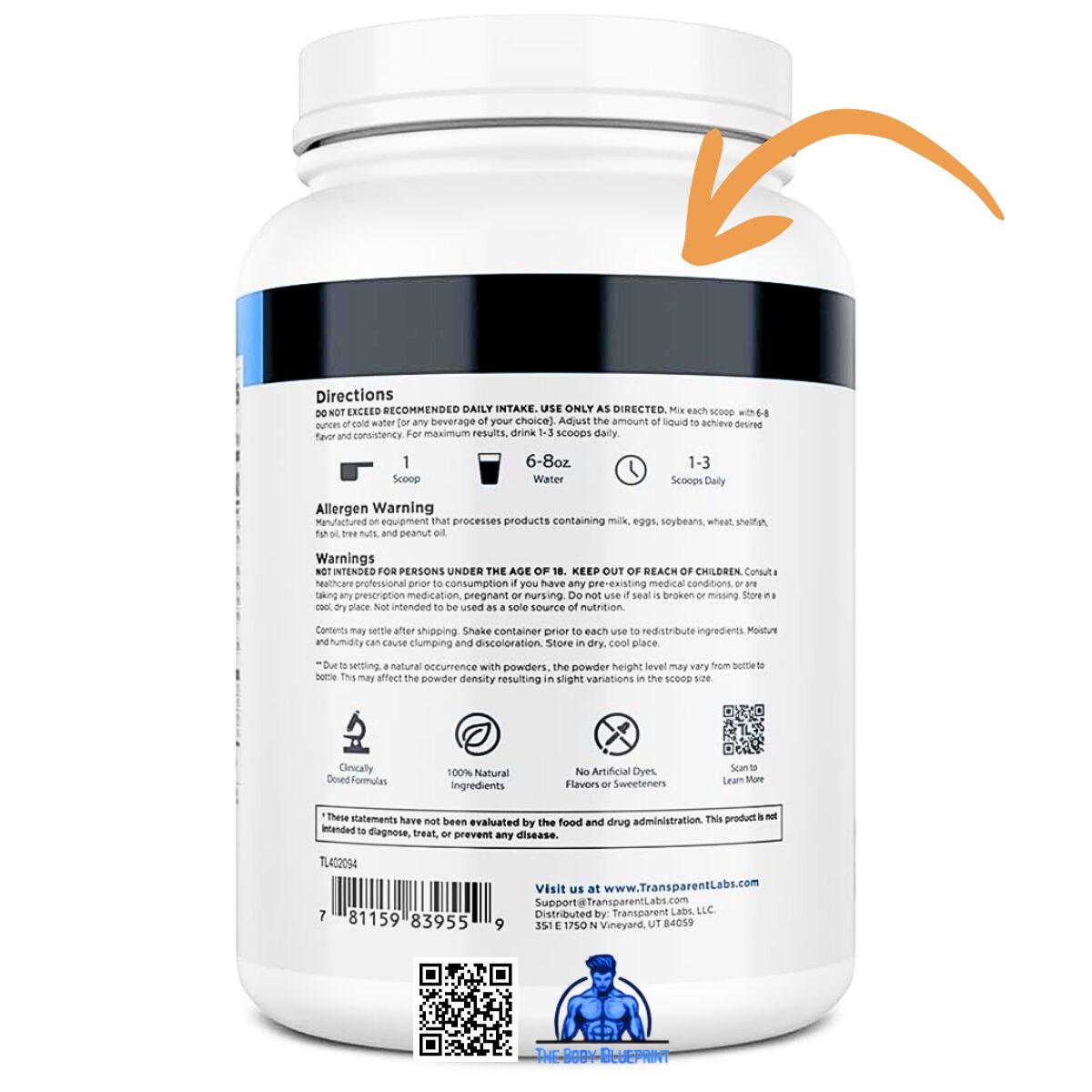
👉 Full Disclosure: That’s an affiliate link. I earn a small commission if you buy, at zero extra cost to you. You get the best price, and you help fund the brutal research that goes into these no-BS reviews. Fair trade for saving you from gluten cross-contamination?
5 Gluten-Free Protein Questions (Answered Without the Hype)
A: While whey protein itself is naturally gluten-free, the manufacturing process is where contamination occurs. As Eugene Thong, CSCS, explains: “Most protein powders are made in facilities that also process wheat, barley, and rye. For people with celiac disease or sensitivity, even trace amounts from cross-contamination can trigger an extensive variety of symptoms. Certified gluten-free means the product is tested to contain no more than 20 parts per million—the safe threshold for most sensitive individuals.”
A: This is the most important distinction. ‘Gluten-free’ is a labeling claim any company can make. ‘Certified gluten-free’ means the product has been third-party tested to contain less than 20 ppm of gluten and is manufactured in facilities that follow strict protocols to avoid cross-contamination. For people with celiac disease, this certification isn’t optional—it’s essential for safety.”
A: Plant-based proteins like Orgain are naturally gluten-free, but they face the same manufacturing cross-contamination risks as whey proteins. The advantage of plant-based options is they avoid dairy, which is another common sensitivity. However, for pure muscle-building efficiency, whey isolate remains superior. The key is choosing certified gluten-free regardless of protein source.”
A: For casual avoidance, maybe. For celiac disease or serious sensitivity, absolutely not. As Charles Damiano notes: “Without third-party certification, you’re trusting marketing over science. The only way to be certain is to choose products with legitimate gluten-free certifications from organizations that require manufacturing facility audits and regular testing.”
A: Let’s be clear: for people with celiac disease or serious sensitivity, it’s not a luxury—it’s a necessity. For others, it’s about avoiding the inflammatory response that sabotages recovery and performance. When you consider that gluten exposure can cause gastrointestinal distress that ruins training sessions and compromises nutrient absorption, the premium for certified gluten-free is insurance for your gains and your health.”
My Recommendation
For Gluten-Sensitive Athletes: TRANSPARENT LABS GRASS-FED WHEY ISOLATE
👉 Final Reality Check: Yes, these are affiliate links. I earn a commission if you buy, at no extra cost to you. This is what funds the research that uncovers which proteins are truly gluten-free versus which ones are risking your health with cross-contamination. Thanks for supporting honest reviews!
Final Thought: In the gluten-free protein game, you’re either the athlete using certified gluten-free protein from dedicated facilities, or you’re playing Russian roulette with cross-contamination that can trigger gastrointestinal distress and systemic inflammation. Transparent Labs Grass-Fed Whey Isolate is more than a protein—it’s a safety guarantee. It’s reliable, it’s transparent, and it treats your health with the respect it deserves. Your choice isn’t about which protein builds more muscle; it’s about whether you value verified safety or you’re just trusting marketing claims. Now you know. Choose wisely.