You brace your core. The floor feels stable—until the rings turn it into quicksand. That subtle sway? It’s your nervous system screaming: “Stability compromised!” Ring planks expose weakness like an MRI exposes tissue. Forget crunches. This is core training weaponized.
Exercise Classification
The instability hierarchy:
- Core Stability: Anti-movement mastery under load
- Gymnastic Foundation: Prerequisite for levers, planches
- Isometric Hold: Static tension builds tendon resilience
- Calisthenics Integration: Bodyweight’s ultimate core stress test
Muscle Groups Targeted
Neurological recruitment tsunami:
| Muscle | Role in Ring Plank | Activation Boost vs Floor |
|---|---|---|
| Transverse Abs | Intra-abdominal pressure | 42% ↑ (Behm, 2015) |
| Obliques | Anti-rotation bracing | 37% ↑ |
| Rectus Abs | Rib-to-pelvis tension | 28% ↑ |
| Erector Spinae | Spinal alignment guard | 33% ↑ |
| Anterior Delts | Shoulder stabilization | ★★★☆☆ |
| Glutes | Hip extension lock | ★★☆☆☆ |
Equipment Requirements
Minimalist toolkit:
- Gymnastic Rings: Wooden > plastic (grip security)
- Anchor Point: Rigid overhead structure (doorframe pull-up bar ok)
- Height: Straps adjusted so hands hover 6-12″ off floor when kneeling
Technique & Execution
Precision in instability:
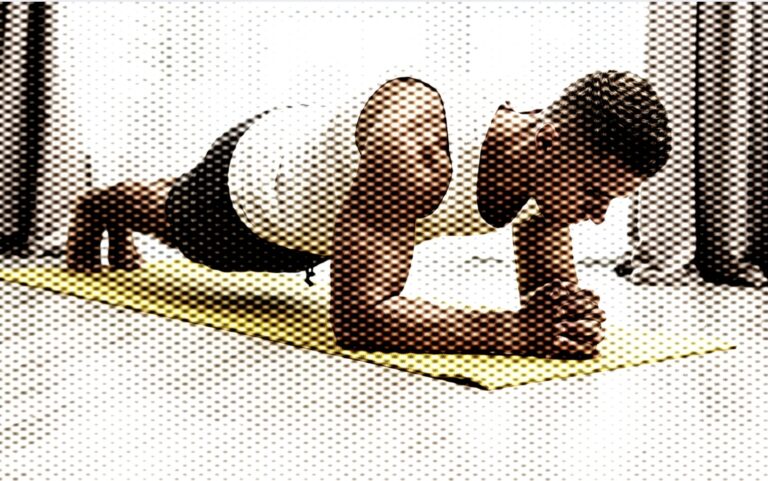
Starting Position
- Kneel facing rings, grip handles neutral (palms in)
- Walk feet back until body forms straight line
- Ground Rule: Rings must hang vertically (not angled)
Alignment Protocol
- Shoulders: Directly above wrists
- Core: Ribs down, pelvis posteriorly tilted
- Breathing: 360° expansion (no rib flare)
- Hold Duration: 15-45s (quality > quantity)
Pro Tip: Squeeze a tennis ball between thighs to activate glutes
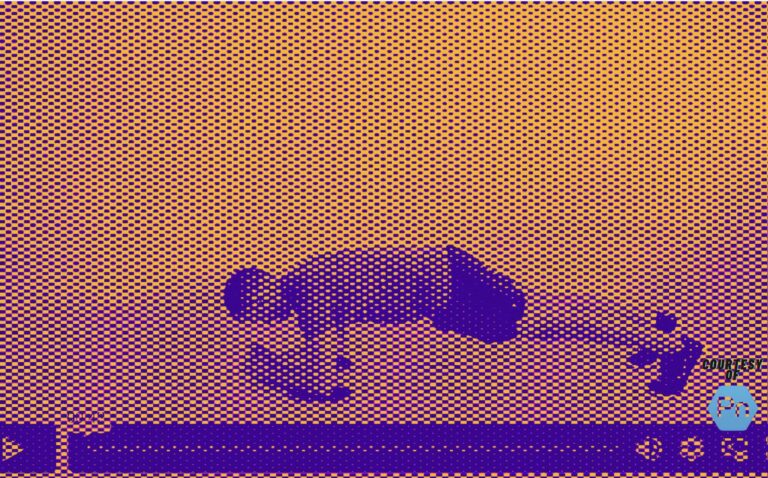
Performing Ring Planks: Video Instruction
Progressions & Variations
From foundational to brutal:
| Variation | Difficulty | Key Coaching Cue |
|---|---|---|
| Standard Hold | ★☆☆☆☆ | “Crush the rings” |
| Elevated Feet | ★★☆☆☆ | Feet on 12″ box |
| Leg Lift | ★★★☆☆ | Lift leg 2″, no hip rotation |
| Plank to Pike | ★★★★☆ | Drag toes to hands, hips high |
| Arm Reach | ★★★★★ | Reach forward, no torso twist |
| RKC Plank | ★★★★☆ | Max glute/core contraction |
Training Benefits
Beyond six-pack chasing:
- Shoulder Resilience: Stabilizer activation reduces impingement risk
- Anti-Rotation Strength: Oblique firing protects spine during lifts
- Neuromuscular Demand: 300% more motor unit recruitment vs floor plank
- Body Control: Foundation for muscle-ups, handstands
Programming Guidelines
Science-driven dosing:
| Goal | Protocol | Frequency |
|---|---|---|
| Endurance | 3x max hold (rest 90s) | 3x/week |
| Strength | 5x20s RKC (rest 120s) | 2x/week |
| Skill Prep | Pre-workout: 2x30s | Daily |
Common Mistakes
The instability amplifiers:
- Sagging Hips: Signals glute/core disengagement
- Rib Flare: Shifts load to lower back → immediate reset
- Neck Overextension: Eyes 12″ ahead, not at feet
- Breath Holding: 5s inhale → 5s exhale maintains tension
- Ring Swing: Correct by lowering ring height
Safety & Prerequisites
Pre-flight checklist:
- Shoulder Mobility: Pass “stick dislocate” test
- Core Baseline: Hold 60s floor plank with perfect form
- Wrist Prep: 2×10 wrist circles each direction pre-set
- Ring Setup Test: Hang 20lbs weight before use
Complementary Movements
Stability ecosystem:
- TRX Planks: Easier regression (foot straps stable)
- Ring Push-Ups: Dynamic shoulder challenge
- Hollow Body Hold: Core tension education
- Front Lever Tucks: Advanced anti-extension
- Ab Wheel: Similar anterior core demand
Ring Planks for Specific Goals
Targeted application:
| Goal | Protocol Focus | Variation |
|---|---|---|
| Gymnastics Prep | Max tension holds | RKC Plank |
| Injury Prevention | Endurance | Standard + Leg Lift |
| Athletic Performance | Anti-rotation | Arm Reach |
Tracking Progress
Quantifying instability mastery:
- Hold Time: Add 5s weekly until 60s
- Form Score: Film side view; rate hip/spine alignment 1-5
- Ring Height: Lower rings 2″ monthly (increases lever difficulty)
- Strength Carryover: Note clean press/push-up improvements
Ring planks aren’t an exercise—they’re a biomechanical audit. That tremor in your midline? It’s weakness fleeing. Your core isn’t weak; it’s undertrained. Now grip those rings like your spine depends on it—because it does. Stability isn’t given. It’s forged.
Key Research:
- EMG Analysis: Behm DG. (2015). Trunk muscle activity during suspension exercises
- Proprioceptive Demand: Anderson KG. (2012). Neuromuscular control in unstable surfaces
- Injury Prevention: McGill SM. (2009). Core training for spine stabilization