The Cross-Body Lat Stretch (Mobilization) is the most effective method for restoring overhead shoulder flexion and releasing restricted fascia in the upper back. While static stretching pulls on cold muscle, this mobilization technique actively unglues the stiff tissues that lock your shoulders down.
When you think of mobility, you probably think of hanging from a pull-up bar or doing lazy arm circles. This is why your shoulders still click. True mobility requires shearing force. If your lats are locked up, your overhead press, pull-up, and even your bench press will suffer because your scapula cannot rotate freely. Stop forcing the joint. Start mobilizing the tissue.
Important: Do not roll directly over the ribs if you have low bone density or recent injuries. Focus on the fleshy muscle belly of the lat, not the bone.
Why Cross-Body Mobilization Beats Static Stretching
Static stretching elongates the muscle, but it does not fix the “sliding surfaces” of the fascia; mobilization does. The latissimus dorsi is a massive sheet of muscle. When it gets glued down, it prevents the arm from reaching overhead without the lower back arching to compensate.
Signs Your Lats Are Restricted
| Symptom | The Reality |
|---|---|
| Rib Flare | If your ribs pop out when you raise your arms, your lats are pulling your spine into extension. |
| Shoulder Pain | Tight lats depress the shoulder head, causing impingement during pressing. |
| Weak Pull-Ups | A tight muscle is a weak muscle. If it can’t fully lengthen, it can’t fully contract. |
Cross-Body Lat Stretch Technique Guide
You are not trying to bruise the muscle; you are trying to shear the layers of tissue apart. This requires slow, deliberate friction, not rapid rolling.
Step-by-Step Execution
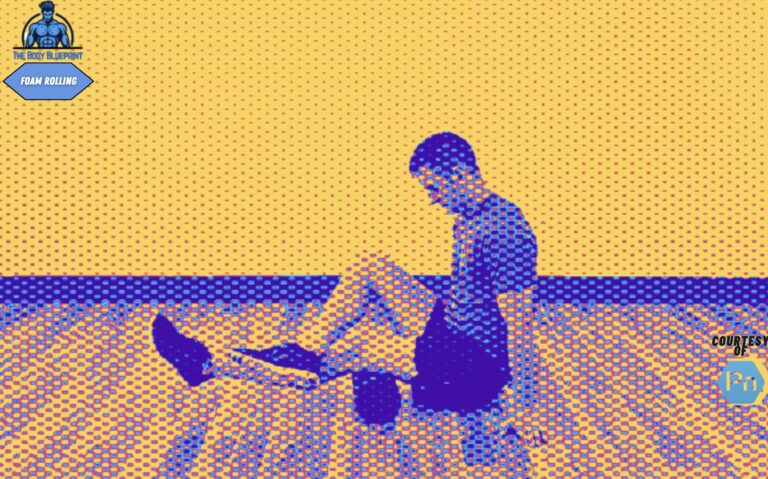
- The Setup: Lie on your side. Place a foam roller (or lacrosse ball for pain lovers) under the lat, just below the armpit.
- The Anchor: Extend your bottom arm along the floor, palm facing up.
- The Search: Roll slowly until you find a “hot spot” (a tender area of tight fascia).
- The Pin: Stop on that spot. Breathe deeply.
- The Mobilization: Reach your top arm across your body towards your hip, then reach it overhead. This “cross-body” motion drags the tissue across the roller.
- The Scrub: Rotate your chest slightly toward the floor and then toward the ceiling to shear the tissue.
“If you hold your breath, you are fighting the release. You must exhale to tell your nervous system to lower the tone of the muscle. If you can’t breathe, the pressure is too high.”
— Eugene Thong, CSCS
Common Mobility Mistakes
Pain does not equal progress; if you are wincing so hard you tense up, you are defeating the purpose. The goal is relaxation and tissue sliding, not torture.
- Rolling Too Fast: Moving like you are making pizza dough. Fix: Move one inch per second.
- Hitting the Ribs: Rolling too low on the torso. Fix: Stay on the fleshy part of the upper back/armpit area.
- Ignoring Asymmetry: Spending equal time on the good side and the bad side. Fix: Spend double the time on the tighter side.
Programming for Shoulder Health
Mobility is hygiene; you don’t brush your teeth once a month and expect them to stay white. Do this before every upper body session.
Sample Protocol
| Goal | Protocol | Context |
|---|---|---|
| Pre-Workout | 2 mins / side | Focus on reaching and active motion. |
| Recovery | 5 mins / side | Slow rolling on off days. |
Performance Stack
Tissue quality is dictated by hydration and inflammation levels.
- Inflammation: Tight, “sticky” fascia is often a sign of systemic inflammation. Nordic Naturals Algae Omega helps lubricate the tissues from the inside out.
- Tissue Repair: Fascia is collagen. Supplementing with Vital Proteins Collagen Peptides provides the raw materials to rebuild healthy connective tissue.
- Cellular Health: Vitamin C is required for collagen synthesis. Life Extension Liposomal Vitamin C ensures maximum absorption.
- Endurance: If you are mobilizing to train harder, use Thorne Beta Alanine to buffer acidity during your actual workout.
- Pre-Workout: Need focus? Compare Prevail vs Legion Pulse to find the right drive for your session.
- Recovery: Repair happens at night. Levels Micellar Casein provides a steady stream of amino acids while you sleep.
- Foundation: Cover your bases with Nutricost Multivitamin to prevent micronutrient deficiencies.
The Verdict
Cross-Body Lat Mobilization is the unsexy work that leads to sexy results. It unlocks the overhead position, saving your shoulders and letting you train pain-free. Get on the floor and scrub the tension out.