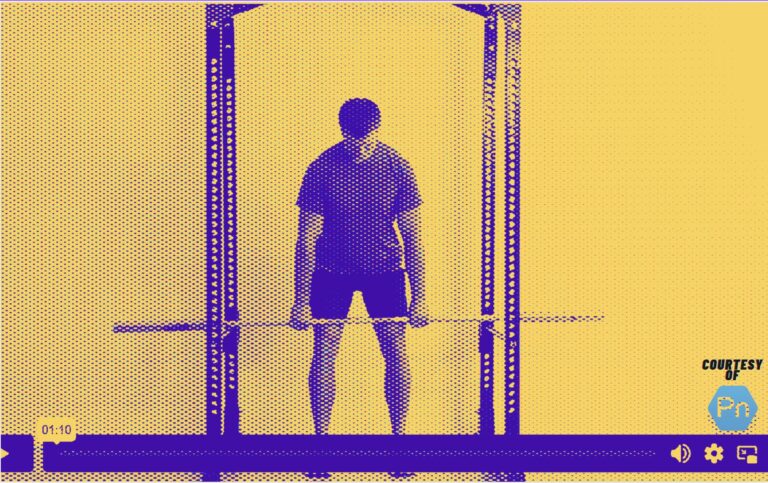
Most people treat the Romanian Deadlift like a “tired” conventional deadlift. They let the bar drift away, round their spine, and turn a precision hamstring builder into a lower-back destruction derby. This is not a deadlift; it is a hip hinge.
If you want hamstrings that hang off the bone and a lower back that doesn’t snap when you tie your shoes, you need the RDL. It focuses entirely on the eccentric (lowering) phase, stretching the posterior chain under load. This is the single most effective movement for teaching your body to disassociate hip movement from spinal flexion. Master this, and your conventional pull will skyrocket.

Important: Range of motion is dictated by your hamstring flexibility, not the floor. If your back rounds, you went too low. Stop at the shin.
Why This Variation Deserves a Spot in Your Program
Unlike the conventional deadlift, which starts from a dead stop on the floor (concentric focus), the RDL starts from the top down (eccentric focus). According to the science of strength gains, eccentric loading is the primary driver of hypertrophy and connective tissue strengthening.
The Benefits at a Glance
| Advantage | The Payoff |
|---|---|
| Posterior Chain Hypertrophy | Targets the hamstrings and glutes without the quad engagement of a standard pull. |
| Lumbopelvic Rhythm | Teaches you to hinge at the hips while keeping the spine rigid—a critical life skill. |
| Grip Stamina | Because the bar never touches the floor, your time under tension is significantly higher. |
How to Perform the RDL Like a Pro
The goal is to push your hips back as far as possible, not to lower the bar as low as possible. There is a massive difference.
Step-by-Step Execution
- The Unrack: Set the J-hooks just below hip height. Unrack it like a squat—tight core, walk it out.
- The Stance: Hip-width. Toes forward or slightly out. Soft knees (unlock them, then freeze them).
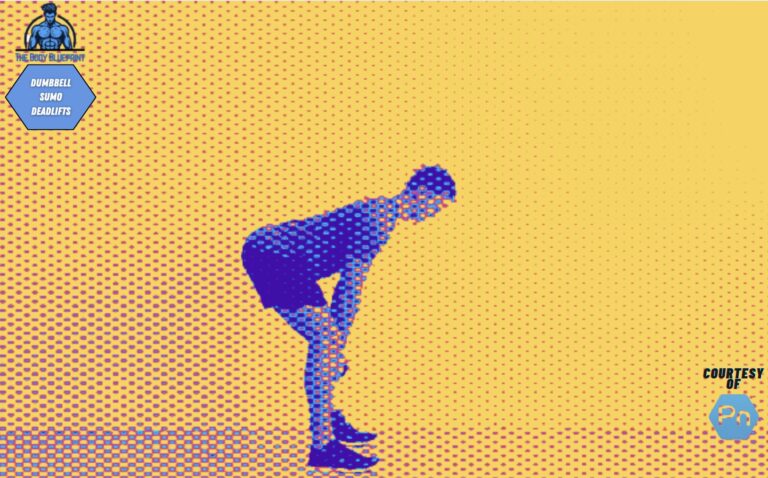
- The Hinge: Push your butt back toward the wall behind you. Imagine you are trying to shut a car door with your glutes.
- The Slide: Keep the bar in contact with your thighs. It should shave your legs as it goes down.
- The Stretch: Lower until you feel a maximal stretch in the hamstrings (usually mid-shin). Do not let the back round.
- The Drive: Drive hips forward to meet the bar. Squeeze glutes at the top. Do not lean back.
“If the bar drifts away from your legs, the load shifts to your lower back. You must actively engage your lats to pull the bar into your body. Think about squeezing oranges in your armpits.”
— Eugene Thong, CSCS
Common Pitfalls and How to Avoid Them
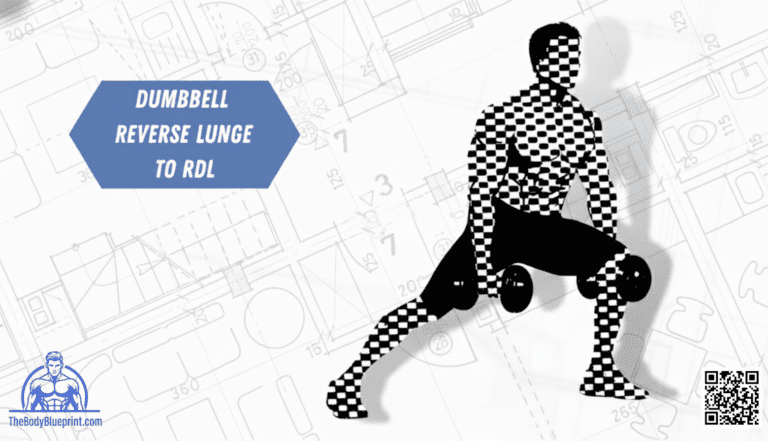
- Squatting the RDL: If you bend your knees too much, you turn it into a squat. Keep the knees fixed; only the hips move.
- Looking Up: Don’t look at the mirror. Keep your chin tucked to maintain a neutral cervical spine.
- Range of Motion Ego: Going all the way to the floor usually results in lumbar flexion. Stop where your hamstrings tell you to stop.
Variations to Build Mass
1. Deficit RDL
Stand on a plate. This allows a deeper stretch *if* you have the mobility. Only for advanced lifters.
2. Snatch-Grip RDL
Use a wide grip. This increases the demand on the upper back (traps/rhomboids) and increases the range of motion.
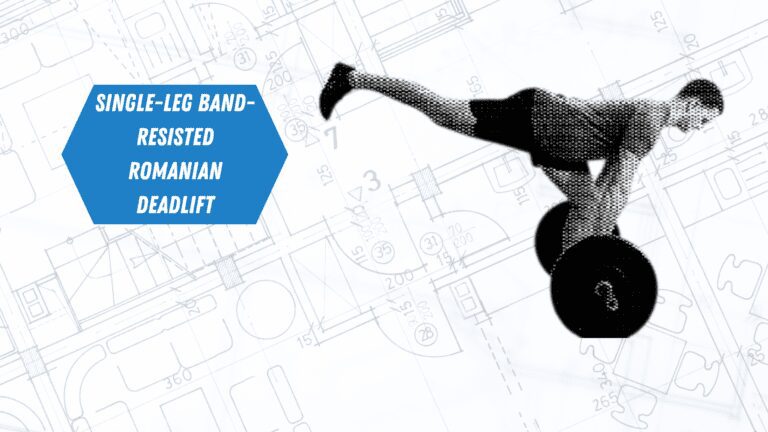
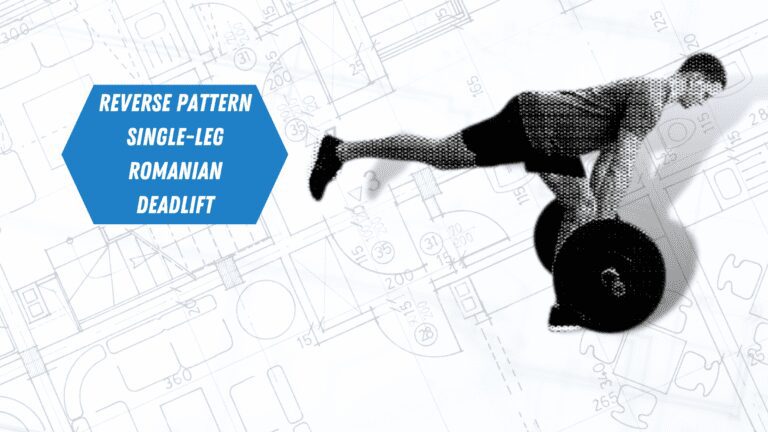
3. Single-Leg Barbell RDL
A brutal test of balance and unilateral strength. Use lighter weight and focus on keeping the hips square.
Programming & Nutrition
This is a primary accessory movement. It fits best on leg days or in a push/pull split paired with chest exercises for full posterior/anterior balance.
Sample Protocol
| Goal | Sets/Reps | Pair With |
|---|---|---|
| Hypertrophy | 3 x 8-12 | Barbell Push Press |
| Strength | 4 x 6 (Heavy) | Plank Variations |
Fueling the Posterior Chain
Hamstrings are large, fast-twitch heavy muscles. They need fuel to recover.
- Post-Workout: Liquid nutrition hits the bloodstream faster. Read our guide on shakes vs. food for muscle gains.
- Low Carb? If you are on a ketogenic diet, ensure you are hitting your protein macros with the best keto protein powders to prevent muscle catabolism.
The Verdict
The Barbell RDL is the king of posterior chain development. It teaches you to handle heavy loads with your hips, not your spine. Stop squatting your deadlifts. Hinge, stretch, and grow.