There is a reason why elite sprinters and powerlifters obsess over the hip thrust. It’s not for aesthetics; it’s because horizontal force production is the single biggest predictor of speed and lockout strength. If your glutes are weak, you are slow, and your deadlift stalls at the knees.
Squats and deadlifts are king, but they have a limitation: the glutes are not fully loaded at peak contraction (standing up). The Barbell Hip Thrust fixes this by placing maximum tension on the glutes at full extension. This isn’t just an accessory move; it is the primary engine for athletic power.
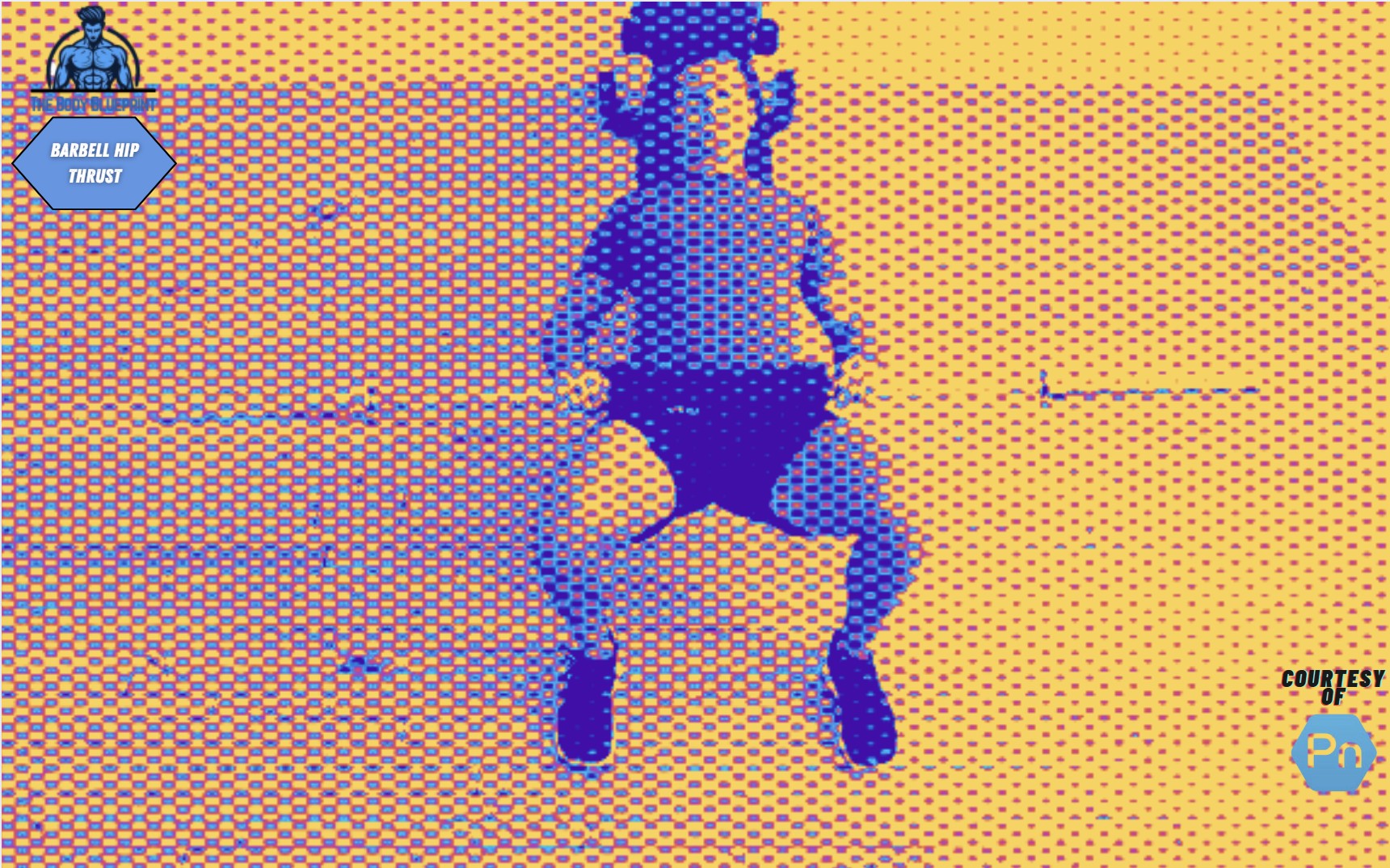
Important: Protect your hips. Use a thick pad or a folded yoga mat. Bruised hip bones will ruin your ability to hinge properly in other lifts.
Why the Hip Thrust is Essential for Maximum Power
Most guys treat leg day as a quad-dominant affair. They load the Goblet Split Squat and call it a day. But if you ignore the posterior chain, you create an imbalance that leads to knee pain and poor posture.
Hip Thrust vs. The Big 3
| Exercise | The Limitation | The Thrust Advantage |
|---|---|---|
| Squats | Load decreases at the top. | Max load at peak contraction. |
| Deadlifts | High CNS fatigue. | High glute activation with less spinal stress. |
| Lunges | Stability is the limiting factor. | Stability is removed (bench), allowing max load. |
How to Perform the Hip Thrust Like a Pro
If you set up wrong, you will slide off the bench or hurt your back. Lock in the mechanics.
Step-by-Step Execution
- The Bench: Use a stable bench about 16 inches high. Place your upper back (scapula) against the edge.
- The Bar: Roll the barbell over your hips. Use a pad.
- The Feet: Plant your feet shoulder-width apart. Shins should be vertical at the top of the movement.
- The Brace: Chin tucked. Ribs down. Look forward, not at the ceiling.
- The Drive: Push through your heels. Drive the hips up until they are in line with your shoulders and knees.
- The Squeeze: Hold the top for 1 second. Squeeze the glutes hard. Do not hyperextend the spine.
“Your head should move with your spine. If you keep your head back on the bench while your body moves, you are hyperextending your neck. Keep the chin tucked and eyes forward.”
— Eugene Thong, CSCS
Variations to Break Plateaus
1. B-Stance Hip Thrust
Stagger your stance so one leg takes 80% of the load. This is the bridge between bilateral thrusts and single-leg work.
2. The “Kas” Glute Bridge
This is a partial range of motion hip thrust. You only perform the top 30% of the rep. This keeps constant tension on the glutes and removes the momentum from the bottom.
3. Banded Hip Thrust
Add a resistance band around the knees to force abduction (knees out). This lights up the glute medius and improves hip stability for lateral movements.
Common Mistakes
- Hyperextension: Arching the lower back at the top. Stop when the glutes lock.
- Shin Angle: If your feet are too far out, you hit hamstrings. Too close, you hit quads. Find vertical shins for glutes.
- Ego Loading: If you can’t pause at the top, the weight is too heavy.
Programming & Recovery
This exercise is perfect for lower body days, either as a primary lift or immediately following sumo deadlifts.
Sample Protocol
| Goal | Sets/Reps | Pair With |
|---|---|---|
| Strength | 4 x 6 (Heavy) | Renegade Row (Core) |
| Hypertrophy | 3 x 12 (Pause) | Barbell Curl (Arms) |
Nutrition for Growth
Glutes are large muscles that require significant fuel to grow. If you are trying to build muscle, ensure you aren’t under-eating. Focus on hydration to prevent protein dehydration and incorporate testosterone-boosting foods to support recovery. On off days, use active recovery to flush lactate from the hips.
The Verdict
The Barbell Hip Thrust is the single best exercise for glute development. It translates directly to speed, power, and a healthier lower back. Master the setup, load the bar, and drive.