The Barbell Back Squat is the single most effective compound lift for building raw leg strength and total body mass. While the leg press lets you cut corners, this movement is the “ultimate lie detector.”
You cannot cheat gravity with 300lbs on your back. By loading the spine directly, you force the entire posterior chain to work in unison or fail. This creates massive systemic stress and exposes every weak link in your kinetic chain. If you want legs that demand respect, you need to stop doing leg presses and start squatting. It forces your body to release growth hormone and testosterone, making everything—not just your legs—bigger.
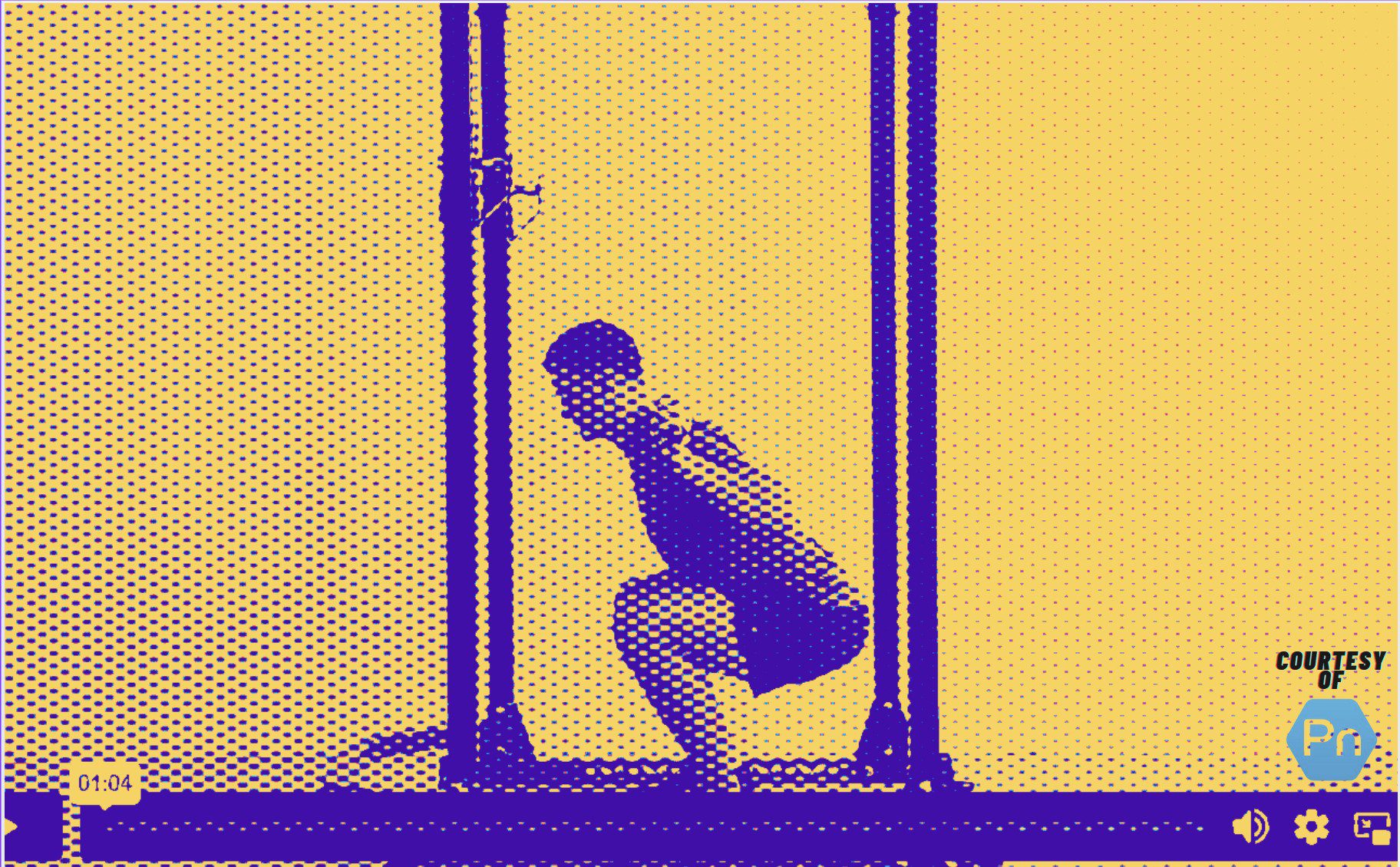
Important: Squatting does not wreck your knees; bad squatting wrecks your knees. If you cannot hit depth without your heels lifting, work on ankle mobility before loading the bar.
Why Barbell Back Squats Build Total Body Strength
The Barbell Back Squat is not just a leg exercise; it is a central nervous system event that demands full-body structural integrity. The heavy load on the spine forces the core to brace harder than any crunch ever could, building “functional armor” that carries over to every other lift.
The Physiology of Squatting
| Advantage | The Payoff |
|---|---|
| Hormonal Response | The sheer stress of the squat triggers maximum testosterone and growth hormone release. |
| Posterior Chain | Develops the glutes, hamstrings, and spinal erectors simultaneously. |
| Core Density | You must create massive intra-abdominal pressure to survive the lift, thickening the core. |
Barbell Back Squat Technique and Form Guide
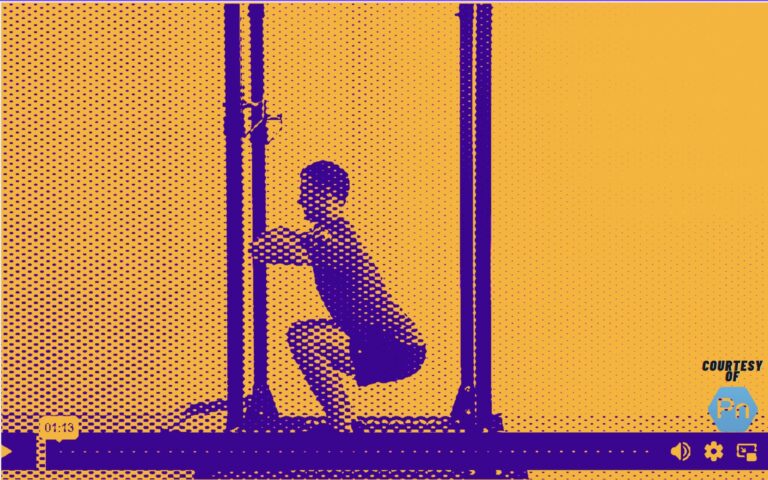
The squat is lost or won during the walkout; if you are loose before you descend, you will crumble under the load. You must create a rigid platform with your upper back to support the bar path.
Step-by-Step Execution
- The Shelf: Create a shelf with your upper back traps. Squeeze your shoulder blades together. Do not let the bar sit on your neck bone.
- The Walkout: Two steps back. Plant your feet shoulder-width apart. Toes slightly out.
- The Brace: Big breath into the belly (Valsalva Maneuver). Lock the ribcage down.
- The Break: Break at the hips and knees simultaneously. Sit between your legs, not behind them.
- The Depth: Descend until the hip crease is below the knee (parallel).
- The Drive: Drive the chest up and the hips forward. Explode out of the hole.
“Drive your back into the bar. On the way up, lead with your chest. If your hips shoot up first (the stripper squat), you shift the load to your lower back. Keep the torso angle constant.”
— Eugene Thong, CSCS
Common Back Squat Mistakes and Knee Safety
Squatting does not wreck your knees; bad mechanics and ego lifting wreck your knees. Most injuries occur because the lifter lacks the hip mobility to hit depth, forcing the lumbar spine to round (butt wink) or the knees to collapse.
- Knee Cave (Valgus): Knees collapsing inward coming out of the hole. Fix: Push your knees out towards your pinky toes.
- Ego Depth: Adding weight but only going down 3 inches. Fix: Drop the weight and hit parallel. Half reps build half legs.
- The Good Morning: Turning the squat into a back bend. Fix: Strengthen your quads and keep the chest proud.
Back Squat Programming for Hypertrophy and Power
Squats demand massive fuel reserves because you cannot drive a high-performance machine on empty. This is the cornerstone of your leg day and should be performed first when your energy is highest.
Sample Protocol
| Goal | Sets/Reps | Note |
|---|---|---|
| Strength | 5 x 5 | Rest 3-5 minutes. Maximal effort. |
| Hypertrophy | 4 x 8-10 | Control the eccentric. No bouncing. |
Performance Stack
Squatting is systemic warfare, so you need to support your joints, energy, and recovery protocols.
- Intra-Workout: Squats deplete glycogen fast. Use a high-quality carb source like True Nutrition HBCD to maintain force output.
- Strength: To grind out the last rep, you need ATP. Creatine HMB is the gold standard for power and anti-catabolism.
- Joint Support: Heavy loads stress the knees. Cissus Quadrangularis is a legendary supplement for tendon health.
- Recovery: Post-workout, flush the legs with protein. Jocko Molk provides a time-released protein blend for recovery.
- Sleep: Your CNS takes a beating. Enhance deep sleep with Sports Research Sleep Complex to ensure you wake up ready to train again.
- Foundation: Don’t neglect micronutrients. Nutricost Multivitamin covers your bases.
Accessory Work
After squatting, move to unilateral work to ensure symmetry and fix strength imbalances.
- Dumbbells: Use high-quality adjustable dumbbells for lunges. Check our Nuobell review or NordicTrack comparison.
- Tissue Work: If your quads are tight, use a percussion gun. The Hypervolt Go 2 is perfect for releasing tight fascia.
The Verdict
The Barbell Back Squat is the foundation of a powerful physique. It builds the mental toughness required to be strong. Don’t skip it. Don’t cheat it. Get under the bar.