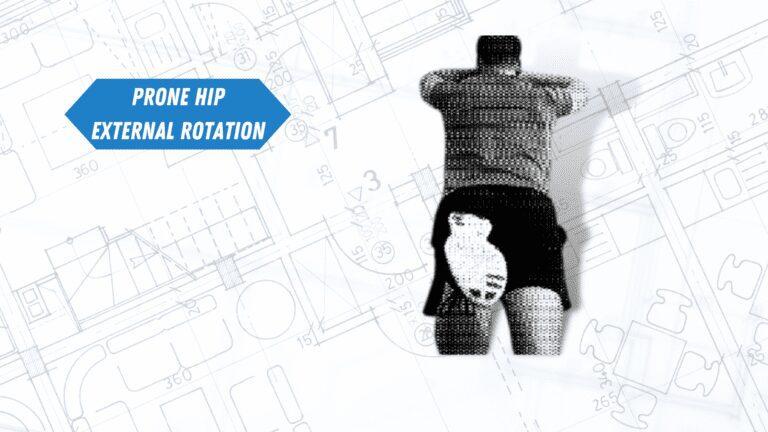
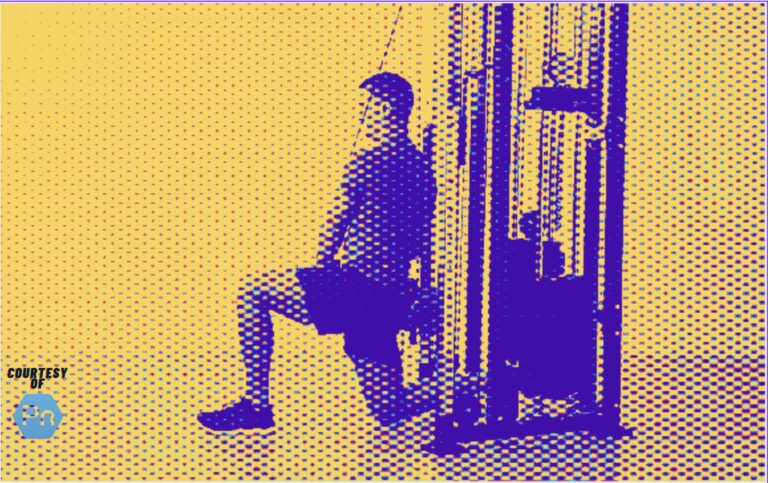
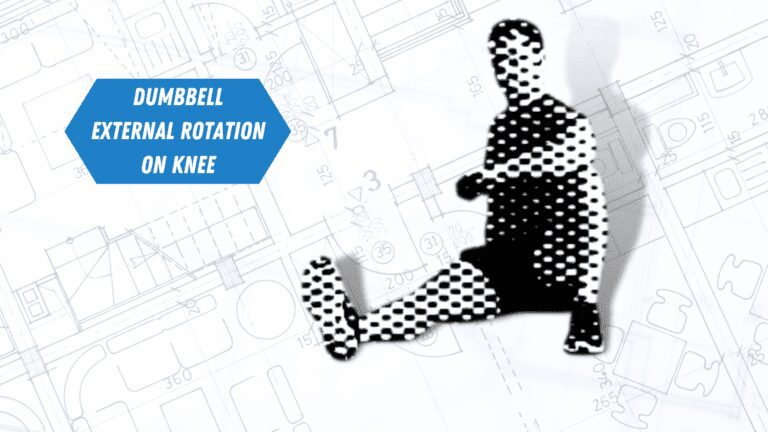
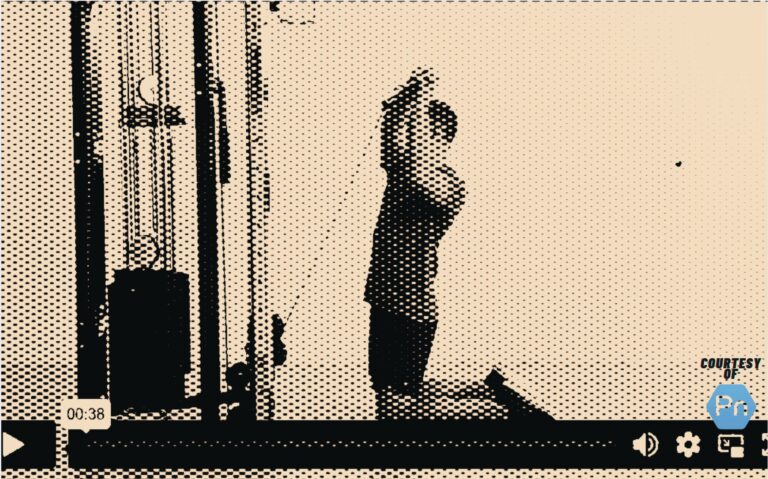
The Banded External Rotation at 90 Degrees Abduction is the gold standard for stabilizing the shoulder joint during overhead movements and throwing motions. Unlike standard rotations performed at the hip, this variation targets the rotator cuff in the “high-five” position—the exact point where the shoulder is most vulnerable to injury.
Most people do “rehab” exercises like they are asleep. They pin their elbow to their ribs and wave a band back and forth. That is useless if you are an athlete. You do not throw a ball from your hip. You do not snatch a barbell from your belly button. You function with your arms up. If you want a rotator cuff that can actually handle heavy loads, you need to train it in the position where it works. Stop protecting the joint. Start strengthening it.
Important: If you feel pinching in the front of the shoulder, you may have “internal impingement.” Lower the elbow slightly below shoulder height and focus on pulling the shoulder blade back before rotating.
Why 90/90 Rotation Beats Standard Rehab
The 90/90 position (90 degrees abduction, 90 degrees elbow flexion) mimics the “cocking phase” of a throw or the bottom of a bench press. Standard external rotations train the infraspinatus and teres minor, but they do it in a non-functional position. To build a bulletproof shoulder, you must train stability at the end range of motion.
The Benefits at a Glance
| Advantage | The Payoff |
|---|---|
| Functional Specificity | Trains the rotator cuff in the exact position used for overhead pressing, snatching, and throwing. |
| Dynamic Stability | Forces the cuff to center the humerus in the socket while the deltoid holds the arm up. |
| Posture Correction | Engages the lower trap and rear delt to fight the “slumped” posture common in desk workers. |
90/90 External Rotation Technique Guide
Stability is the goal, not weight; if your elbow bobs up and down, you are failing the lift. The elbow acts as the axis of rotation—it must remain frozen in space while the forearm pivots around it.
Step-by-Step Execution
- The Anchor: Secure a band at shoulder height (or slightly higher). Stand facing the anchor point.
- The Setup: Lift your elbow to the side until it is level with your shoulder (Abduction). Bend the elbow 90 degrees. Your forearm should be parallel to the floor.
- The Grip: Hold the band. There should be light tension in the start position.
- The Rotation: Keeping the elbow fixed, rotate your forearm back until your knuckles point to the ceiling (or wall behind you).
- The Squeeze: Pause at the end range. Ensure the shoulder blade is retracted, not shrugged.
- The Return: Slowly control the band back to the horizontal position. Do not let it snap forward.
“Imagine your upper arm is a rotisserie chicken skewer. It spins, but it does not move up, down, or forward. If the skewer moves, the form is broken.”
— Eugene Thong, CSCS
Common Mistakes That Cause Impingement
This is a precision movement; relying on momentum or compensation patterns will only aggravate shoulder pain. The most common error is using the lower back to create the illusion of shoulder rotation.
- The Rib Flare: Arching the lower back to get the hand further back. Fix: Lock the ribcage down with your abs.
- Elbow Drop: Letting the elbow fall below shoulder height as fatigue sets in. Fix: Use a lighter band or stop the set.
- Forward Head: Poking the chin forward. Fix: Keep the neck packed and neutral.
Programming for Shoulder Health
The rotator cuff is an endurance muscle group; heavy low reps are dangerous and ineffective. Treat this as a “pre-hab” activation drill or a high-volume finisher.
Sample Protocol
| Goal | Sets/Reps | Context |
|---|---|---|
| Warm-Up | 2 x 15-20 | Before Bench Press or Overhead Press. |
| Rehab/Structural | 3 x 12-15 | Slow eccentric (3 seconds down). |
Performance Stack
Shoulder stability relies on clean nerve transmission and tissue quality.
- Neural Drive: The rotator cuff requires fine motor control. Magnesium L-Threonate supports neuromuscular efficiency.
- Blood Flow: Tendons have poor blood supply. Use a Nitric Oxide booster to drive nutrient-rich blood into the cuff.
- Cellular Repair: For older athletes, recovery slows down. NAD+ Cell Regenerator supports mitochondrial health in aging tissue.
- Recovery: Optimize sleep for structural repair with ZMA.
- Foundation: Ensure you aren’t deficient in the basics. Thorne Basic Nutrients covers your bases.
Tech Alternative
If you struggle with bands, cable machines offer smooth, constant tension that is often better for rehab. Check our REP Arcadia Functional Trainer review for a home gym solution. Before training, prep the tissue with percussive therapy using the Hypervolt Go 2 to loosen tight pecs that restrict rotation.
The Verdict
The Banded 90/90 External Rotation is the difference between a healthy shoulder and a torn labrum. It forces the cuff to work where it matters most: overhead. Raise your elbow, rotate back, and bulletproof the joint.