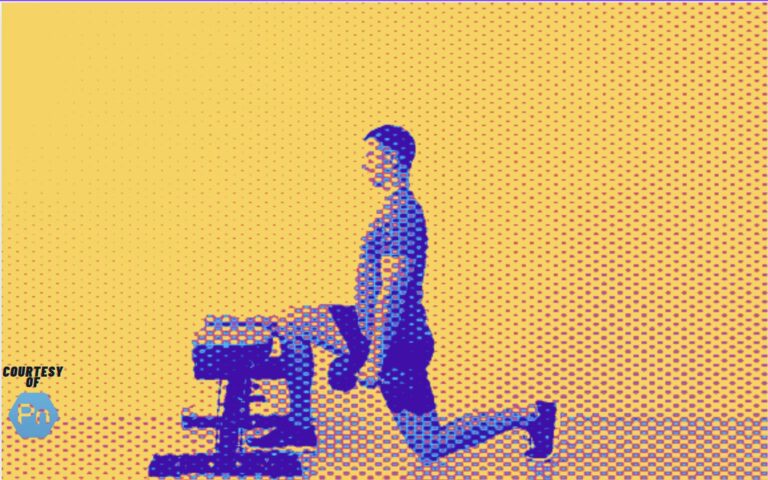
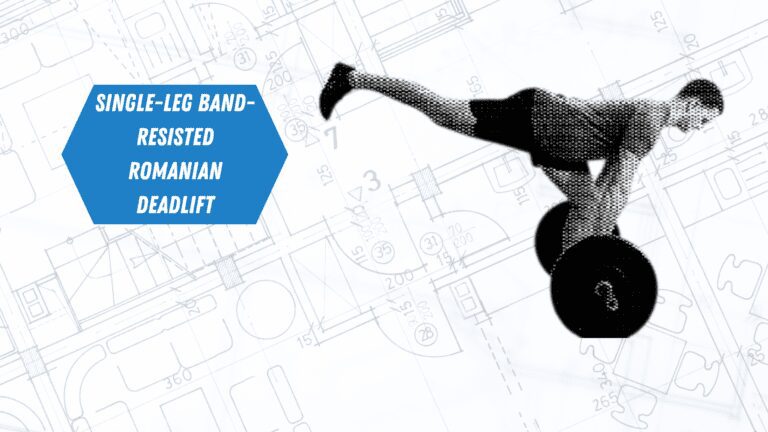
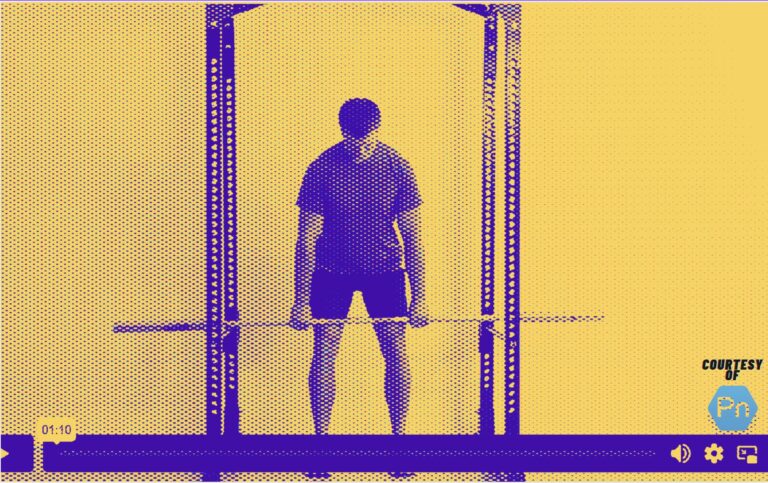
The Dumbbell Reverse Lunge to RDL. This isn’t two exercises. It’s one brutally efficient posterior chain circuit. Think of it as a “hammer and anvil” for your glutes and hamstrings. Stretch them under load in the lunge, then immediately smash them with tension in the deadlift. No rest, no mercy. Used for building dense, powerful legs and bulletproof hips.
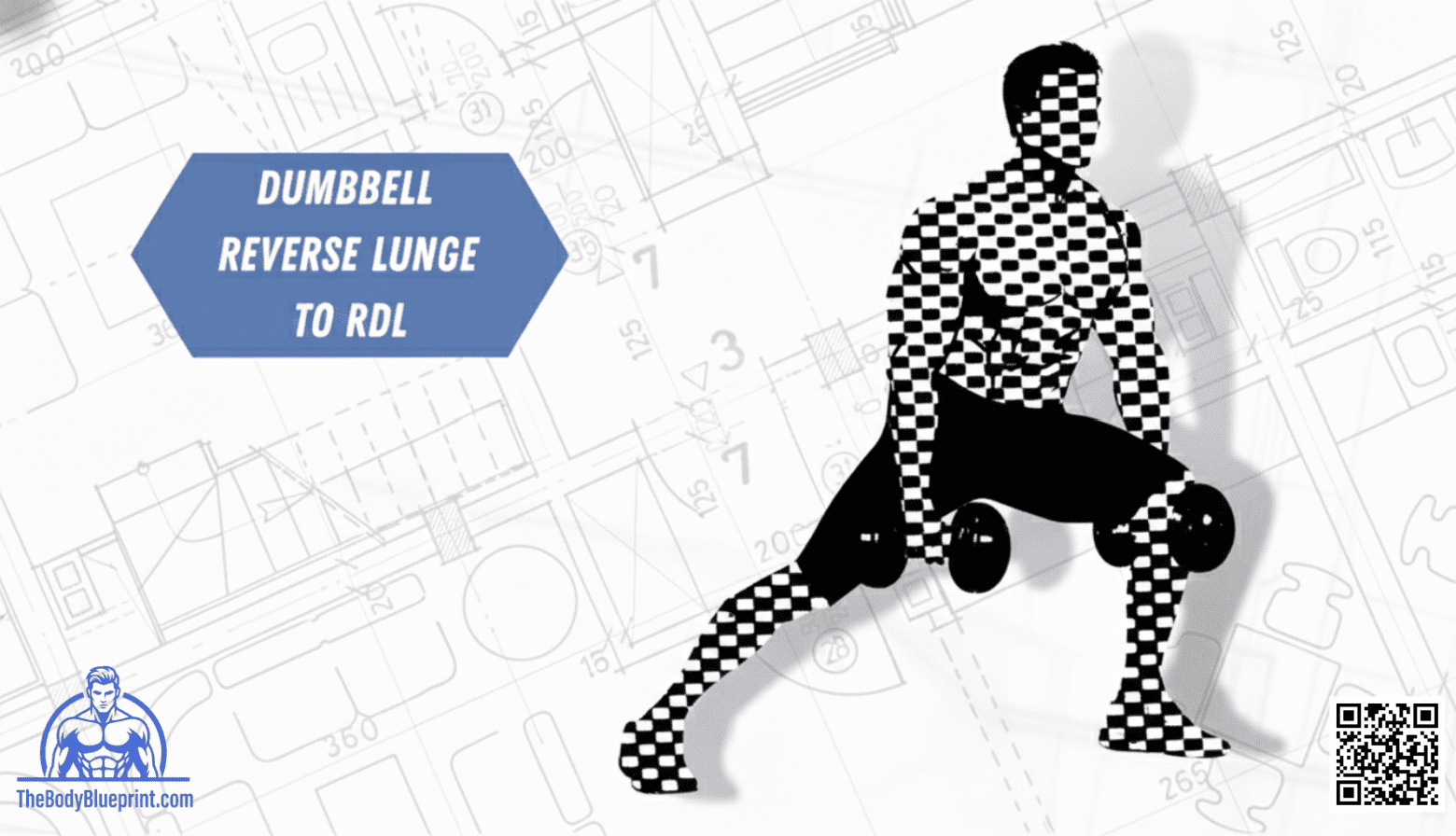
What it is: A reverse lunge immediately followed by a Romanian deadlift on the same leg.
Who it’s for: Athletes, lifters chasing leg development, anyone wanting stronger hips.
When to do it: Leg day, accessory work, time-efficient conditioning.
Where it helps: Glute and hamstring strength, hip stability, single-leg control.
Why it works: Maximizes time-under-tension for the posterior chain. Trains mobility and strength in one shot.
Dumbbell Reverse Lunge to RDL: Master the Flow
“This combo is a masterclass in training movement, not just muscles. The lunge challenges single-leg stability and hip flexion, then the RDL immediately loads the hamstring stretch. It’s a one-two punch for the entire backside of your leg.” — Eugene Thong, CSCS
- Start Tall: Stand with feet hip-width. Hold a dumbbell in each hand at your sides. Keep your chest up, core braced.
- The Reverse Lunge: Step your right foot straight back. Lower your hips until both knees form 90-degree angles. Your front knee stays behind your toes. Feel the stretch in your left hip and glute.
- Drive and Transition: Drive through the heel of your front (left) foot to return to standing. This is critical: As you rise, keep most of your weight on your front leg. Your back foot lightly touches down.
- Immediately into the RDL: Without shifting weight back, hinge at your hips. Push your butt back. Keep your back flat. Lower the dumbbells along your front leg. Feel the stretch in your left hamstring.
- Finish the Circuit: Squeeze your left glute to powerfully return to standing. That’s one rep. Complete all reps on one side before switching, or alternate if you’re a masochist.
Muscles Worked: Posterior Power
| Exercise Phase | Primary Job | Muscles Getting Hammered |
|---|---|---|
| Reverse Lunge | Stability, Hip Flexor Stretch, Quad Loading | Front Leg Glute & Quad, Back Leg Hip Flexor (stretch), Core Stabilizers |
| Romanian Deadlift (RDL) | Hip Hinge, Hamstring & Glute Load | Hamstrings, Glutes, Spinal Erectors, Lats (for bracing) |
| The Compound Effect | Continuous tension on the glutes and hamstrings. The lunge pre-stretches them, the RDL loads them. It’s like supersetting without putting the weights down. | |
Who Is This For? (And Who Should Wait)
Do It If:
✔ Your hamstrings are weak links in your deadlift or sprint.
✔ You want glutes that look and function like power generators.
✔ You’re an athlete needing single-leg power and hip resilience.
✔ You love efficient, time-crunched workouts that deliver.
Skip It If:
✖ You have poor basic hip hinge or lunge form. Master them separately first.
✖ You have significant knee or lower back pain. The loaded stretch is demanding.
✖ Your conditioning is poor. This combo will gas you quickly.
Variations & Modifications
| Variation | How To | Why It’s Killer |
|---|---|---|
| Bodyweight Flow | Master the movement pattern without weight first. | Builds neural coordination. The foundation for everything. |
| Paused Lunge | Hold the bottom of the lunge for 2 seconds before driving up. | Eliminates momentum, builds serious strength at the deepest point. |
| Single Dumbbell | Hold one dumbbell in the hand OPPOSITE your working leg. | Forces insane core anti-rotation engagement. A stability nightmare (in a good way). |
| Kettlebell in Goblet | Hold one kettlebell at your chest for the entire sequence. | Keeps your torso more upright, shifts focus slightly to quads and core. |
Form Checks: Don’t Botch the Combo
❌ Shifting weight to the back foot. The front leg does 90% of the work. Stay centered over it.
❌ Rounding your back in the RDL. It’s a hip hinge, not a spine bend. Chest up, back flat.
❌ Rushing the transition. Control the lunge drive-up. Don’t use momentum to bounce into the hinge.
❌ Letting the front knee cave in. Drive it out over your pinky toe throughout both movements.
“This combination is deceptively taxing. It looks simple, but maintaining proper alignment and tension through both movements is what delivers the results. It’s a conditioning drill for your posture as much as your muscles.” — Charles Damiano, B.S. Clinical Nutrition
Programming: Train for Your Goal
For Hypertrophy (Muscle Growth):
3-4 sets of 8-10 reps per leg. Use a challenging weight. Rest 60-90 seconds. Feel the burn.
For Strength & Stability:
3 sets of 5-6 reps per leg. Heavier weight, perfect form. Rest 2 minutes. Control is key.
For Conditioning & Work Capacity:
2-3 sets of 12-15 reps per leg with moderate weight. Short rest (45s). Or, use it in a circuit with push-ups and rows.
The Bottom Line: Why This Combo?
✅ Builds powerhouse glutes and hamstrings from two angles without rest.
✅ Drastically improves single-leg stability and control for sports and life.
✅ Saves time by combining two elite lower-body movements into one flow.
✅ Enhances hip mobility and strength simultaneously, fixing desk-jockey posture.
Stop training muscles in isolation. Train movements in combination. This is how you build a resilient, athletic body that performs.