The Pronated-Grip Seated Band Row is the ultimate tool for isolating the rhomboids and mid-traps without the systemic fatigue of a heavy barbell.
This is the 2026 blueprint for a V-taper. Most people treat bands like a toy. That’s why their backs look like a sheet of paper. We use variable resistance to force maximum contraction where iron often fails. If your posture is sagging and your rear delts are non-existent, this is your fix. Own the squeeze or stay narrow.
Disclaimer: Consult a physician or qualified trainer before starting any new exercise. This guide focuses on performance and aesthetic optimization and is for educational purposes only.
Pronated Seated Band Rows: The Posterior Powerhouse
The Pronated-Grip Seated Band Row is a horizontal pulling movement that uses an overhand grip to bias the muscles of the upper back. By sitting on the floor and looping a heavy resistance band around your feet, you create a pulling angle that forces scapular retraction and protraction. It’s the perfect high-volume companion to heavy Bent-Over Dumbbell Rows.
- Primary Focus: Rhomboids, Mid/Lower Traps, Rear Delts, Lats.
- Equipment Needed: Long Resistance Band (Loop Band).
- Skill Level: Beginner to Advanced.
- Key Purpose: Build upper back “thickness,” improve scapular health, and counterbalance heavy pressing.
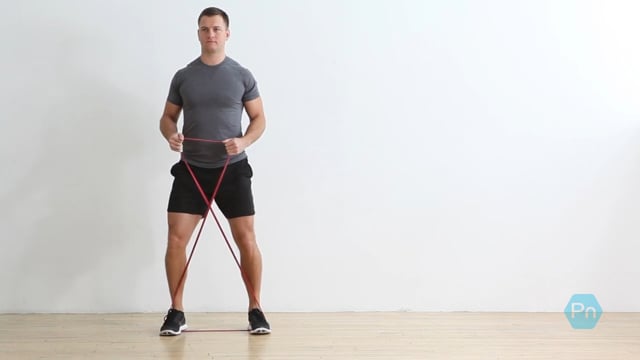
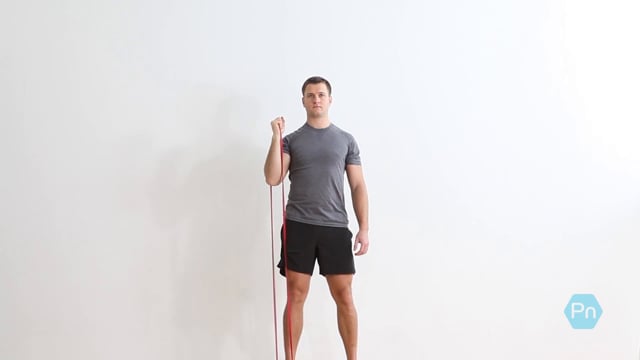
Pronated-Grip Seated Band Row form guide. Focus on the chest-up position and elbow drive.
Why Variable Resistance Dominates Iron
The band gets harder as you pull, which matches the strength curve of the human back. Unlike a dumbbell, where the weight stays the same, the band forces a peak contraction that is impossible to replicate with gravity alone. This is essential for maintaining the postural integrity required for a max-effort Barbell Deadlift.
- Maximum Tension: The resistance is highest exactly where you need it most—at the finish of the rep.
- Scapular Freedom: Since you aren’t pinned against a machine, your shoulder blades can move naturally, reducing joint stress.
- Posture Fix: The pronated grip forces rear delt and trap engagement, pulling your shoulders back into a high-status position.
- Core Integration: Sitting tall without a back support requires an active brace. Prime this with an Ab Wheel Iso before your sets.
Step-by-Step Form: The 5-Point Checklist
- Setup: Sit on the floor with legs extended. Loop the band around the arches of your feet. Cross the band (optional) for more tension. Grasp with a pronated (palms down) grip.
- The Brace: Chest tall, shoulders down. Use 90/90 Wall Balloon-Breathing to set your ribs and pelvis before the first rep.
- The Pull: Drive your elbows back and slightly out. Imagine trying to touch your shoulder blades together.
- The Squeeze: Pause for 2 seconds at the peak. If you don’t feel the “burn” in your mid-back, you’re using too much arm.
- The Reach: Control the band on the way back. Let your shoulder blades “spread” (protract) at the start of each rep.
“The band row is about the quality of the scapular movement. If you’re just jerking the band with your biceps, you’re missing the point. We use the pronated grip to flare the elbows slightly and maximize trap recruitment. This is the foundation for a stable Barbell Bench Press—you need a thick ‘shelf’ to press from.”
— Eugene Thong, CSCS
3 Common Form Mistakes & How to Fix Them
Bands forgive bad habits, but results do not.
1. The Shrug
The Mistake: Pulling with your upper traps and shrugging your shoulders into your ears. The Fix: Think about “driving the elbows to the hips.” Keep your neck long.
2. The Leaning Tower
The Mistake: Leaning way back to finish the rep. The Fix: Stay vertical. If you have to lean back, the band is too heavy. Your core should be locked like an Ab Wheel Rollout.
3. The Short Rep
The Mistake: Not letting the band pull your arms forward at the start. The Fix: Emphasize the “reach.” You need full protraction to get full retraction.
“High-volume band work creates incredible blood flow to the connective tissue of the shoulder. This isn’t just about muscle; it’s about joint longevity. By pushing blood into the rhomboids and traps, you facilitate the nutrient delivery needed for recovery after heavy compound days.”
— Charles Damiano, B.S. Clinical Nutrition
Programming & Integration
Bands thrive on volume. Don’t be afraid of the pump.
- Hypertrophy: 4 sets of 15-20 reps. 45s rest. Chase the burn.
- Posture Daily: 2 sets of 20 reps every morning to “open up” the chest.
- The Primer: Pair with Band Pull-Aparts before benching to wake up the upper back.
Variations to Scale Difficulty
- Neutral Grip: Switch to palms-facing for more lat recruitment.
- Single-Arm: Perform the movement one side at a time to fix imbalances.
- To Progress: Move to a horizontal press superset to maximize the “antagonist” pump.
The Verdict
The Pronated-Grip Seated Band Row is a high-reward, low-fatigue movement that belongs in every serious program. It builds the thickness, stability, and posture that iron alone often misses. Squeeze the band, build the back.
Seated Band Row FAQ
What color band should I use?
Start with a medium tension (often green or blue). You should be able to get 15 clean reps with a 2-second pause.
Can I do these with a towel?
No. You need the elastic tension of the band to match the strength curve. A towel is better for isometric holds.
Will this help my pull-ups?
Yes. Building mid-back strength improves the initial “pull” of a Chin-Up by ensuring your scapulae are stable.