Bragg Organic Raw Apple Cider Vinegar is the undisputed heavyweight champion of the health food aisle, setting the standard for raw, unfiltered ACV for over a century. This 2026 review cuts through the wellness influencer noise to analyze the actual utility of this 32oz bottle for digestion, insulin sensitivity, and appetite control during a deep cut.
Transparency & Affiliate Disclosure: This article contains affiliate links. As an Amazon Associate, I earn from qualifying purchases. If you click a link and buy something, I may receive a small commission at no extra cost to you. Please note: I only recommend products I believe will support your training goals. This support helps keep the site running.
Bragg ACV Overview & Key Specs
Bragg is the baseline against which all other vinegars are judged, primarily because they refuse to modernize the processing. While other brands pasteurize their product to make it look “pretty” on the shelf, Bragg keeps it murky, brown, and loaded with sediment. That sediment is “The Mother,” a colony of beneficial bacteria and enzymes that drives the metabolic benefits.
- Ingredients: Certified Organic Raw Apple Cider Vinegar, Water
- Processing: Unfiltered, Unpasteurized, Kosher
- Acidity: Diluted to 5% acidity (optimal for internal use)
- Key Feature: High concentration of “The Mother”
- Sourcing: Organic Apples (Non-GMO)
- Size: 32 fl oz (The standard quart size)
- Packaging: Glass Bottle (No plastic leaching)
Performance Analysis: Glucose, Digestion & The Cut
You don’t buy Bragg for the flavor; you buy it because you want your body to handle carbohydrates more efficiently.
The Anti-Glycemic Effect
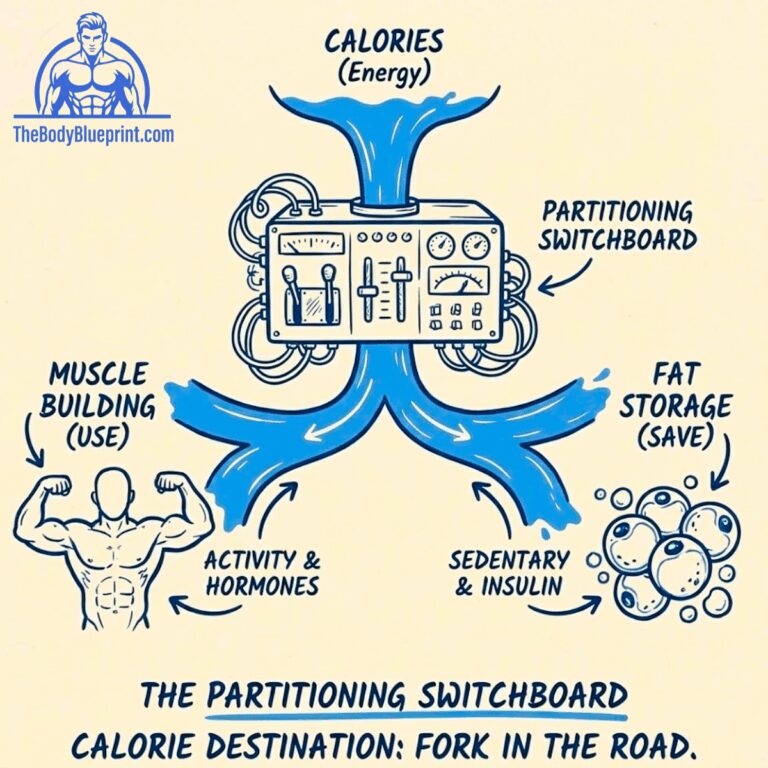
For the aesthetic-focused male, Bragg ACV is a tactical tool for carbohydrate management. Acetic acid has been shown to improve insulin sensitivity when taken before high-carb meals. If you are using carb supplements for a refeed or having a cheat meal, a shot of diluted ACV can act as damage control, helping to blunt the glucose spike and shuttle energy to muscle tissue rather than fat stores.
Digestive Firepower
If you are bulking, your digestive system is the bottleneck for growth. Low stomach acid can lead to bloating and poor nutrient absorption. Bragg’s acidity helps lower the stomach pH, priming it to break down complex proteins. This is especially useful if you rely on dense sources like beef protein isolate or heavy steaks. Stack it with probiotics for a bulletproof gut.
Appetite Suppression
During a deep cut, hunger is the enemy of compliance. The acetic acid in Bragg has a mild appetite-suppressing effect. Sipping on ACV diluted in water during a fasting window can help kill cravings without breaking your fast, unlike a calorie-containing protein shake.
“Bragg isn’t a magic fat burner, but it is a legitimate metabolic support tool. I use it with clients who struggle with post-meal lethargy or bloating. It forces the digestive system to do its job efficiently, which is critical when you’re pushing performance.”
— Charles Damiano, B.S. Clinical Nutrition
Who Bragg ACV Is For (And Not For)
Bragg ACV Is Perfect For:
- The Carb-Cycling Athlete: Use it on high-carb days to manage insulin response. It pairs perfectly with Power Beets for a pre-workout metabolic stack.
- The Hardgainer: If eating 4,000 calories makes you feel sick, ACV helps clear the stomach faster.
- The Keto Dieter: Helps clear the “keto fog” and aids in digestion when fat intake is high.
- The DIY Chef: Essential for making healthy marinades for your high protein meal prep.
Bragg ACV Is NOT For:
- The Flavor Chaser: It tastes like fermented apples and acid. If you want something that tastes good, buy Fairlife. This is utility, not luxury.
- The GERD Sufferer: If you have an ulcer or severe reflux, adding more acid is usually a bad idea.
- The Passive Dieter: Taking a shot of vinegar won’t undo a bad diet. You still need to hit the weights and track your macros.
Potential Drawbacks (Read Before You Buy)
It is powerful stuff, and if misused, it can cause issues.
- Enamel Erosion: Never drink it straight. The acetic acid will strip the enamel off your teeth. Dilute it with water and drink through a straw.
- Throat Burn: “The Bragg Burn” is real. If you don’t dilute it enough, it can irritate your esophagus.
- Digestive Upset: For some, it moves things along too quickly. Start with 1 teaspoon, not 2 tablespoons.
Bragg vs. Mantova vs. White Vinegar
| Feature | Bragg Organic | Mantova Italian Organic | Heinz Distilled |
|---|---|---|---|
| The Mother? | Yes (High Sediment) | Yes | No (Dead) |
| Sourcing | USA Organic Apples | Italian Organic Apples | Corn/Grain |
| Processing | Raw & Unfiltered | Raw & Unfiltered | Distilled & Pasteurized |
| Best For | Daily Protocol | Gourmet Cooking | Cleaning Floors |
The Bottom Line: The Reliable OG
Bragg remains the king of the category for a reason: it works. It is consistent, potent, and widely available. If you want a no-nonsense tool to support your digestion and glucose management protocols, this 32oz bottle is the most reliable investment you can make for under $10.
Related Gut & Metabolic Guides
- Best Probiotics for Bloating: Fix Your Gut Stack
- Best Carb Supplements: Fueling Performance Without The Crash
- Momentous Collagen Review: Joint & Gut Support Analyzed
- Power Beets Review: The Natural Pre-Workout Pump
- Best Fast-Digesting Proteins: Post-Workout Optimization
The Supplement Lexicon: Bragg Edition
- The Mother
- The strand-like chains of protein enzyme molecules and probiotics that give raw apple cider vinegar its cloudy appearance. This is the bioactive part of the vinegar that distinguishes it from clear, refined vinegars.
- Acetic Acid
- The active component in vinegar responsible for its sour taste and strong smell. Research suggests it helps improve insulin sensitivity and lower blood sugar responses after meals.
- Pasteurization
- A heating process used to kill bacteria and extend shelf life. Bragg avoids this to keep the enzymes and bacteria in “The Mother” alive and active.
- Glycemic Response
- The effect that food or meal has on blood sugar (glucose) levels after consumption. ACV is often used to blunt this response, keeping energy levels stable.