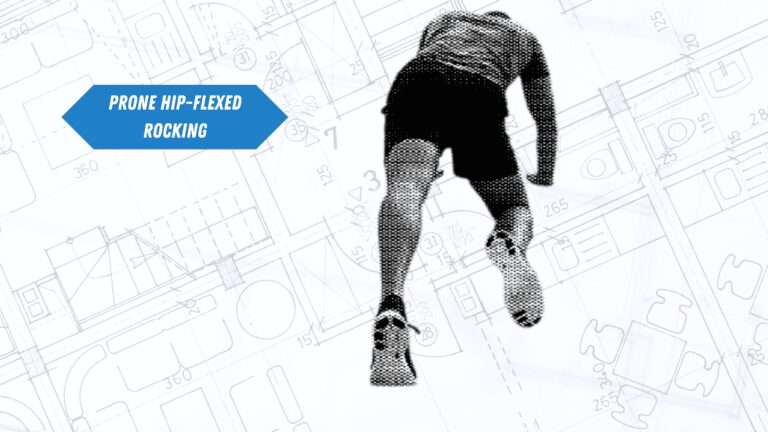
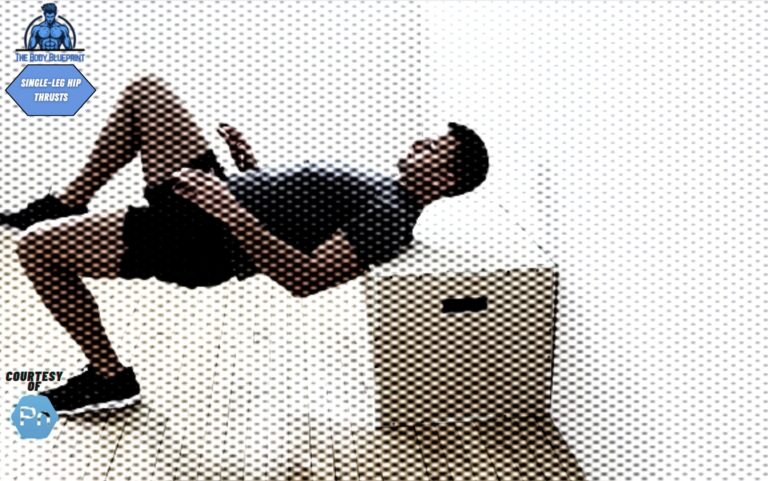
A “square butt” is primarily the result of underdeveloped gluteus medius and maximus muscles failing to create a rounded, shelf-like appearance.
This 2026 guide provides the exact hinge patterns and lateral isolation movements needed to improve gluteal density and hip stability. We’re cutting through the “generic squat” fluff to deliver the high-utility cues and leverage points required for a more athletic shape. This is your foundational roster for building a durable posterior chain and maintaining structural integrity under load.
The “Boxy” Struggle: Describing the Problem
If you’re reading this, you’ve likely been “grinding” in the gym only to see a cardboard box looking back at you in the mirror. You’re doing the squats, you’re feeling the burn, but your jeans are still sagging where that “shelf” should be. You have the frustrating “square” look—plenty of muscle on the quads, but a flat upper glute and a missing “side-sweep” that leaves your hips looking blocky instead of round.
This usually happens because standard linear movements don’t hit the gluteus medius (the upper/outer muscle) or the gluteus maximus through a full range of tension. To fix the square, you have to stop thinking about “moving weight” and start thinking about mechanical tension in specific planes. You don’t need “more” exercise; you need effective glute workouts that prioritize rounding over just “leg day” volume.
The 2026 Square Butt Fix Index
How to use this table: This library is categorized by movement type. To round out the “corners” of a square glute, prioritize abduction (moving away from the midline) and hinge patterns. These moves ensure you are building the “shelf” and the “side” simultaneously.
Anabolic Fueling: You Can’t Shape Air
You cannot reshape a muscle that isn’t growing. To move from square to round, you need to provide the raw materials for hypertrophy. If you are training hard but staying “flat,” you are likely under-eating. Your glutes are one of the largest muscle groups in the body and they require a significant high protein intake to recover from high-tension sessions.
Ensure you are hitting roughly 1 gram of protein per pound of bodyweight. If you’re struggling to hit those numbers with whole food, check our database of the best protein for muscle growth to ensure your recovery matches your effort.
The Logic of Glute Recovery
Training the glutes requires a balance of high-frequency stimulus and systemic rest. Because these muscles are so large, they can take a massive amount of “damage,” but the recovery process is where the rounding actually happens.
In 2026, we focus on Heat Shock Proteins and blood flow to speed up tissue repair. Utilizing a sauna for muscle recovery is a pro-level move to keep inflammation down and mobility high, ensuring you can hit your next glute-specific session with maximum intensity.
The Bottom Line: Round Beats Square
Stop settling for a boxy physique. Use these specific isolation mechanics to target the upper and outer glutes, hit your protein numbers, and let the recovery do the work. The “shelf” is earned, not found.