The Single-Leg Pushup is an advanced bodyweight variation that transforms a standard chest exercise into a brutal core stability test. By lifting one leg, you remove a point of contact, forcing the body to resist rotation and gravity simultaneously.
Standard pushups are often too easy for trained athletes. They become a high-rep endurance warm-up. The Single-Leg Pushup changes the lever arm. It forces the glute, oblique, and quad of the planted leg to fire violently to keep the spine neutral. If your hips sag or twist, you fail. This is the bridge between basic calisthenics and elite body control.
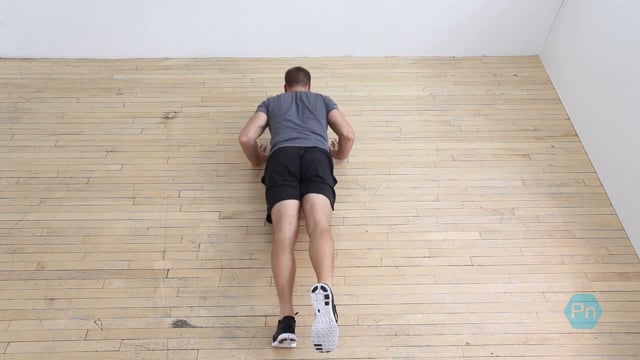
Important: If your lower back sags (hyperextends) during this movement, you are not strong enough yet. Regress to a standard plank with a leg lift to build the requisite core stiffness first.
Why Single-Leg Pushups Build Functional Power
This move targets the “Serratus Anterior” and the deep abdominal wall, turning a chest pump into a full-body integration exercise. When you lift one leg, you create an asymmetrical load. Your body wants to tip over. Preventing that tip builds the kind of “tie-in” strength that transfers to sprinting and fighting.
The Physiology of Instability
| Advantage | The Payoff |
|---|---|
| Anti-Rotation | Forces the obliques to lock the torso in place, preventing the hips from twisting. |
| Upper Chest Load | Lifting the leg shifts the center of gravity slightly forward, placing more load on the upper pecs and delts. |
| Glute Activation | You must squeeze the glute of the lifted leg to keep it straight, engaging the posterior chain. |
Single-Leg Pushup Technique and Form Guide
Balance is not luck; it is tension. If you are loose, you will fall. You must generate tension from your fingertips to your floating toe.
Step-by-Step Execution
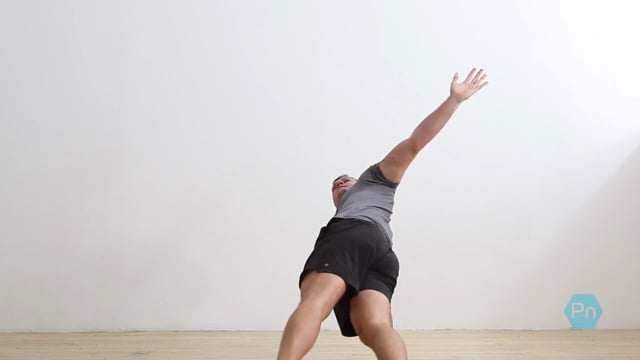
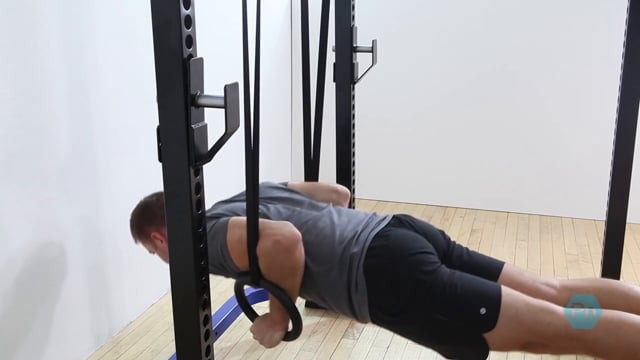
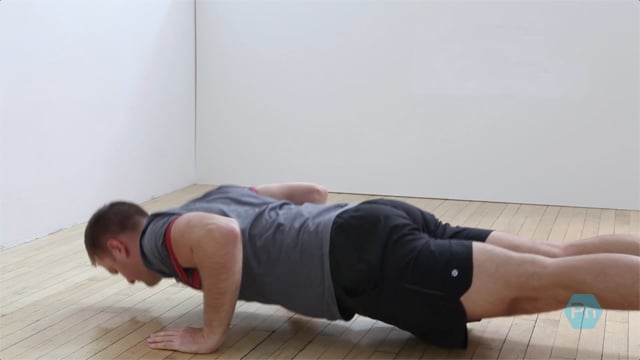
- The Setup: Assume a standard pushup position. Hands under shoulders. Spine neutral.
- The Lift: Raise one leg off the ground until it is parallel with your hip. Squeeze the glute of that leg to lock it in space.
- The Brace: Pull your ribs down. Ensure your hips are square to the floor (not rotated).
- The Descent: Lower your chest to the floor. Keep elbows tucked at 45 degrees.
- The Drive: Press back up explosively. Do not let the lifted leg sag or drop.
- The Switch: Perform all reps on one side, or alternate legs with each rep for a coordination challenge.
“Imagine you have a glass of water balanced on your lower back. If your hips twist or pike up, you spill the water. Stay flat, stay rigid, and move as one unit.”
— Eugene Thong, CSCS
Common Mistakes That Ruin The Lift
The most common failure is the “Banana Back,” where the core gives out before the chest does. If your belly touches the floor before your chest, stop the set.
- Hip Rotation: Letting the hip of the lifted leg rotate upward. Fix: Point the toes of the lifted leg straight down at the floor.
- Neck Crane: Looking forward/up puts stress on the cervical spine. Fix: Look at a spot on the floor 6 inches in front of your hands.
- The Pike: Shooting the butt into the air to take pressure off the core. Fix: Squeeze your glutes to force the hips flat.
Programming for Strength and Stability
This is a high-tension movement, so do not treat it like a cardio burpee. Quality reps are far superior to sloppy volume.
Sample Protocol
| Goal | Sets/Reps | Note |
|---|---|---|
| Strength | 4 x 8-10 per leg | Slow tempo (3s down). |
| Endurance | 3 x Failure | Switch legs every 5 reps without stopping. |
Performance Stack
Maintaining full-body tension requires high neural drive and muscular endurance.
- Focus: Balancing on three points requires mental acuity. Onnit Alpha Brain helps sharpen the focus needed for complex movements.
- Fuel: To maintain explosive power, keep glycogen topped up with True Nutrition HBCD during your session.
- Endurance: The core muscles burn out fast. Buffer the lactic acid with Beta-Alanine from Nutricost or BulkSupplements to push your reps higher.
- Strength: To get the most out of every contraction, Transparent Labs Creatine HMB supports strength output and muscle retention.
- Recovery: Neural fatigue is real. Optimize your recovery with Thorne Deep Sleep Complex or Sports Research Sleep Complex to ensure your nervous system resets overnight.
The Verdict
The Single-Leg Pushup is the ultimate honesty test. It strips away the stability of two legs and forces you to own your bodyweight. If you can perform these with a flat back, you are truly strong. If not, get to work.