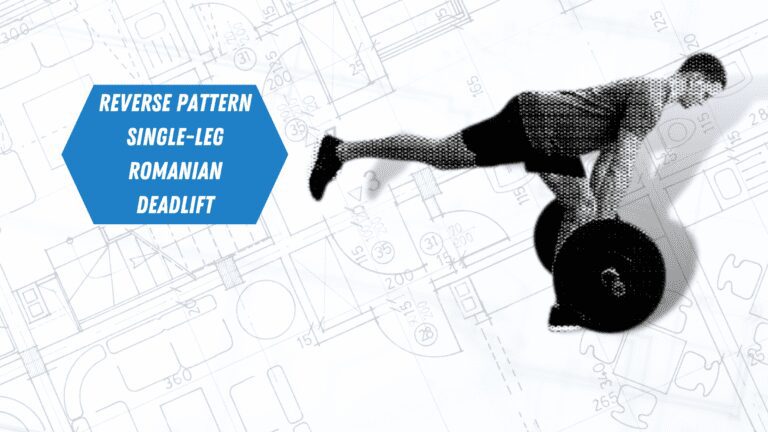
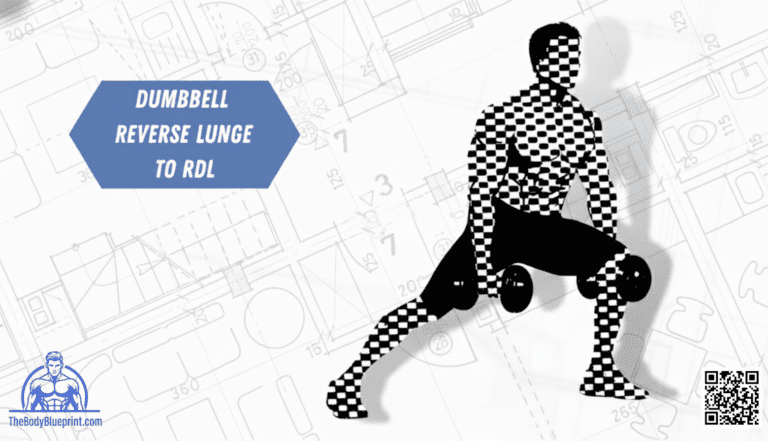
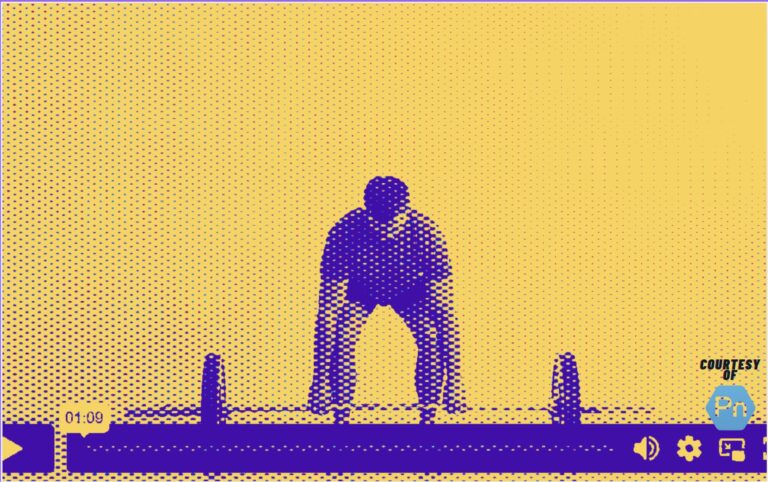
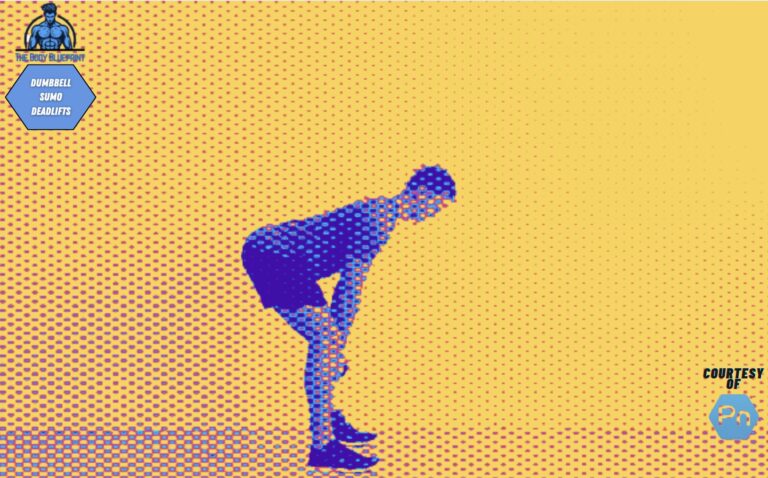
The Single-Arm Dumbbell Romanian Deadlift (SADRD) is the premier exercise for correcting posterior chain imbalances and building anti-rotational core strength. Unlike bilateral lifts where your strong side covers for your weak side, this movement forces each glute and hamstring to pull its own weight.
Important: Keep the dumbbell close to your leg. If you let it drift forward, you turn the exercise into a lower back strainer. Shave your legs with the handle.
Why Asymmetrical Loading Builds Better Athletes
The magic of this lift lies in the “Cross-Body” stabilization; holding a weight in one hand while hinging on two legs forces your obliques to fight rotation. This strengthens the “Functional Lines” of the body (connecting the shoulder to the opposite hip), which is exactly how you move in sports.
The Benefits at a Glance
| Advantage | The Payoff |
|---|---|
| Imbalance Correction | Forces the weaker hamstring/glute to work without assistance. |
| Core Integration | The weight wants to twist your spine. Your core must prevent this. |
| Greater Range | Dumbbells allow for a deeper stretch than a barbell, which is limited by the shins. |
How to Perform the Single-Arm RDL Like a Pro
This is a hinge, not a squat; your knees should be soft but fixed. The movement comes entirely from sending your hips backward as if you are trying to close a car door with your butt.
Step-by-Step Execution
- The Setup: Stand with feet hip-width apart. Hold a dumbbell in ONE hand.
- The Brace: Squeeze the armpit of the working arm (engage the lat). Tighten your abs.
- The Hinge: Push your hips back. Keep the dumbbell touching your thigh as it descends.
- The Limit: Lower until you feel a maximal stretch in the hamstrings (usually mid-shin). Back must stay flat.
- The Drive: Drive your hips forward. Squeeze the glutes hard at the top.
- The Finish: Stand tall. Do not overextend the lower back.
“Watch your shoulders. The weight will try to pull your working shoulder down towards the floor. Fight it. Keep your shoulders square to the ground the entire time. That is the core work.”
— Eugene Thong, CSCS
Common Mistakes That Wreck Your Back
If you feel this in your lumbar spine, you have lost the hip hinge. The load must be carried by the hamstrings, not the vertebrae.
- The Squat-RDL: Bending the knees too much. Fix: Keep shins vertical. Push hips back, don’t drop hips down.
- The Reach: Letting the dumbbell drift away from the legs. Fix: Keep the weight glued to your thighs.
- The Twist: Letting the torso rotate. Fix: Lock your ribcage down. Look straight ahead (or slightly down).
Programming & Optimization
Use this as a secondary movement after heavy squats or deadlifts. It builds the tissue necessary to support heavier loads.
Sample Protocol
| Goal | Sets/Reps | Context |
|---|---|---|
| Correction | 3 x 12/side | Moderate weight. Focus on symmetry. |
| Hypertrophy | 4 x 8-10/side | Heavy. Slow eccentric (3 seconds down). |
Performance Stack
Posterior chain training is demanding on the nervous system and connective tissue.
- Joint Health: Hinging loads the lower back. Protect your discs and joints with high-quality fish oil to manage inflammation.
- Tissue Repair: Hamstrings are prone to strains. Collagen supplements support tendon elasticity.
- Recovery: If your glutes are knotted up, you can’t hinge properly. Use the Hypervolt Go 2 to release tension before lifting.
Tech Alternative
Smart gyms are excellent for RDLs because they provide digital spotters.
If you want to train safely at home without a rack of dumbbells, check our comparison of Speediance vs Tonal vs Vitruvian. These machines offer “eccentric overload” modes that are perfect for RDLs. Or, browse our list of the best smart home gyms for other options.
The Verdict
The Single-Arm Dumbbell RDL is the mechanic for your posterior chain. It finds the leaks in your strength and patches them. Don’t hide your weaknesses. Expose them and fix them.