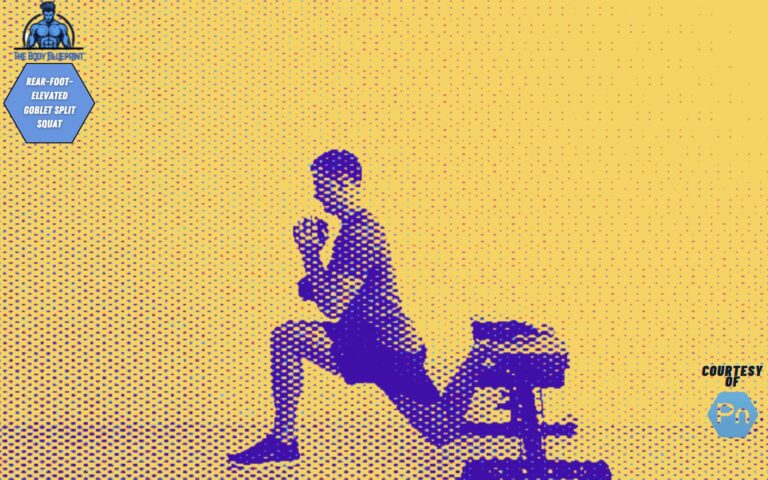
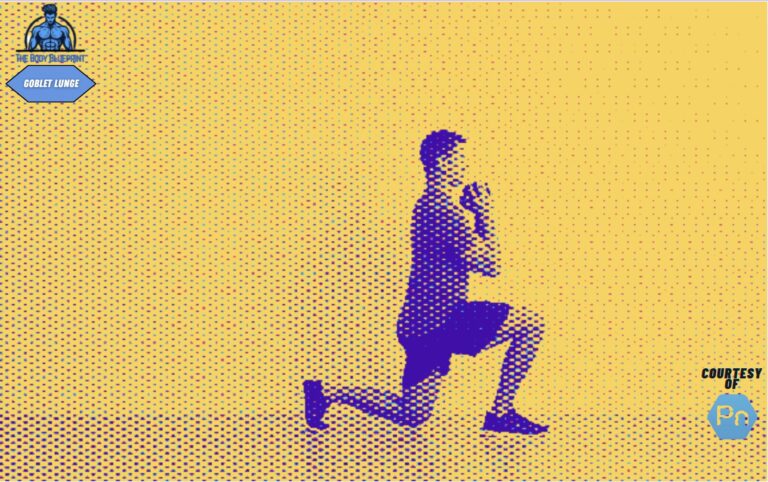
The Dumbbell Reverse Lunge is the superior single-leg exercise for athletic performance and knee longevity. While forward lunges force the knee to act as a “brake” against momentum, the reverse lunge loads the posterior chain (glutes and hamstrings) to drive acceleration.
Most gym-goers wreck their knees doing walking lunges with bad form. They slam their foot down and shear the joint. The Reverse Lunge fixes this physics problem. By stepping back, you keep the front shin vertical and the load centered on the hip. This allows you to go heavier, safer, and build the kind of single-leg power that actually transfers to sprinting and jumping. Stop braking. Start driving.
Important: Keep your torso slightly leaned forward (not upright). This shifts the tension to the glute and prevents the lower back from hyperextending.
Why Reverse Lunges Build Better Athletes
Forward movement requires deceleration (stopping); reverse movement requires acceleration (starting). By stepping back, you are mechanically loading the hip to explode forward, which mimics the mechanics of a first-step sprint.
The Benefits at a Glance
| Advantage | The Payoff |
|---|---|
| Posterior Chain Focus | Shifts load from the knee (quad) to the hip (glute/hamstring) for safer heavy loading. |
| Stability | Because the front foot stays planted, you have a stable base to push from, allowing for heavier dumbbells. |
| Mobility | Actively stretches the hip flexor of the trailing leg while strengthening the lead leg. |
How to Perform Dumbbell Reverse Lunges Correctly
The front foot is the driver; the back foot is just a kickstand. Do not push off the back toes. Pull yourself forward with the front heel.
Step-by-Step Execution
- The Grip: Hold dumbbells at your sides. Shoulders back. Chest proud.
- The Step: Step one foot back. Land on the ball of the foot.
- The Descent: Lower your back knee until it hovers an inch off the floor.
- The Angle: Lean your torso forward 15 degrees over the front thigh. Keep the front shin vertical.
- The Drive: Drive through the front heel. Pull yourself back to standing.
- The Rhythm: Alternate legs or complete all reps on one side for maximum fatigue.
“Think about ‘clawing’ the ground with your front foot. Dig the heel in and pull the floor backward. This engages the hamstring and glute immediately.”
— Eugene Thong, CSCS
Common Mistakes That Kill Performance
If you are wobbling, you are too narrow; walk on train tracks, not a tightrope.
- Tightrope Walking: Stepping directly behind the front foot. Fix: Step back and slightly out to maintain a wide base.
- Pushing Back: Pushing off the rear toes. Fix: Lift your rear toes inside your shoe to force the front leg to do the work.
- Upright Torso: Staying perfectly vertical jams the lower back. Fix: Hinge slightly at the hips to load the glute.
Programming & Optimization
This is a primary strength movement. You can load this heavy (5-8 reps) or use it for metabolic conditioning (15-20 reps).
Sample Protocol
| Goal | Sets/Reps | Context |
|---|---|---|
| Strength | 4 x 6-8 reps | Heavy Dumbbells. Full Rest. |
| Hypertrophy | 3 x 12-15 reps | Constant tension. Don’t lock out at top. |
Performance Stack
Unilateral training is neurologically demanding.
- Neural Drive: Balancing on one leg requires intense focus. Magnesium L-Threonate supports the brain-muscle connection needed for stability.
- Recovery: Single-leg work creates deep soreness. Use the Hypervolt Go 2 to flush the glutes post-training.
- Cellular Energy: High-rep lunges deplete energy stores fast. NAD+ Cell Regenerator helps maintain mitochondrial output during grueling sets.
- Foundation: Cover your micronutrient bases with Thorne Basic Nutrients to support tissue repair.
Equipment Note
If holding heavy dumbbells limits your grip, consider a cable setup.
The REP Arcadia Functional Trainer allows you to load the hips without the grip fatigue of heavy iron.
The Verdict
The Dumbbell Reverse Lunge is the smarter way to lunge. It saves your knees and builds your glutes. Step back, load the hip, and drive forward with power.