Arm growth does not happen in the gym. It happens between sessions. Biceps and triceps are small muscle groups. They recover faster than legs or back. But they still need strategic recovery to grow. Smashing arms every day without a plan is not hard work. It is wasted work. This guide breaks down the recovery protocols that turn arm training into actual growth. Rest periods. Nutrition timing. Sleep. Active recovery. These are the levers that build sleeves, not soreness.
Medical Disclaimer: This guide is for educational purposes. The statements regarding any supplements have not been evaluated by the Food and Drug Administration. These products are not intended to diagnose, treat, cure, or prevent any disease. Always consult a qualified professional before starting a new regimen.
Why Arm Recovery Matters More Than You Think
Biceps and triceps are involved in almost every upper body movement. They are not just isolated on arm day. They get hammered during rows, pulldowns, presses, and carries. If you train arms directly without accounting for systemic fatigue, you are stacking stress on top of stress.
The result is not more growth. The result is stagnation, nagging elbow pain, and the feeling that arms never feel fully recovered.
Recovery is not passive. It is an active process. It determines whether the stimulus from training translates into new tissue or just accumulates fatigue.
For a deeper understanding of arm anatomy and training, see our biceps anatomy guide and triceps exercise library. For the science of muscle recovery generally, check muscle recovery hub and rest day science.
“Arms are the exposed wiring of your training. If you fry them every day, they never get a chance to thicken. Recovery is not weakness. It is the pause between building and becoming.”
Eugene Thong, CSCS
Training Frequency: How Often Should Arms Be Trained?
Biceps and triceps are small muscle groups. They recover faster than quads or hamstrings. But that does not mean they can be trained daily without consequence.
Guidelines for arm training frequency:
- Direct arm work: 2‑3 times per week maximum. This includes dedicated curl and extension movements.
- Account for indirect work: Pulling movements (rows, pulldowns, chin‑ups) hammer the biceps. Pressing movements (bench, overhead press, dips) hammer the triceps. Count these as training volume.
- 48‑72 hours between direct arm sessions is the standard recovery window. Less than that risks accumulating fatigue without additional growth stimulus.
- If elbows ache, back off. Elbow pain is often a sign that recovery is lagging behind workload.
For programming guidance, see our best workout routines for men, arm day vs. full‑body splits, and full‑body vs. split routines. For specific arm exercises, check best biceps exercises for mass, top triceps exercises for thickness, and how to build big arms.
Nutrition for Arm Recovery: Feed the Repair
Arms are made of protein. Without adequate protein intake, recovery stalls. The body cannot build tissue without raw materials. This is not complicated.
Recovery nutrition priorities:
- Protein intake: 1.6‑2.2g per kg of body weight daily. Spread across 3‑5 meals. This provides a steady stream of amino acids for repair.
- Post‑workout protein matters. Fast‑digesting options like whey deliver amino acids when muscles are primed for uptake.
- Carbs are not optional. They replenish glycogen and support protein synthesis. Without carbs, recovery drags.
- Hydration affects everything. Even mild dehydration impairs recovery and increases perceived soreness.
For detailed nutrition guidance, see our best protein powder guide, whey protein types explained, and post‑workout nutrition. For protein timing, see protein timing for muscle growth and anabolic window myth breakdown. For hydration strategies, see protein and hydration guide.
Active Recovery: Keep Blood Moving Without Adding Fatigue
Active recovery accelerates healing by increasing blood flow to damaged tissue. It delivers oxygen and nutrients while clearing metabolic waste.
Effective active recovery for arms:
- Light blood flow work: Band pushdowns, light curls with no tension, or dynamic stretching. The goal is movement, not fatigue.
- Massage and soft tissue work: Foam rolling the triceps and forearms, or using a lacrosse ball on tight spots, reduces adhesion and improves mobility.
- Cold exposure: Ice baths or cold plunges can reduce acute inflammation after high‑volume sessions. But timing matters. Cold immediately after training may blunt the growth signal.
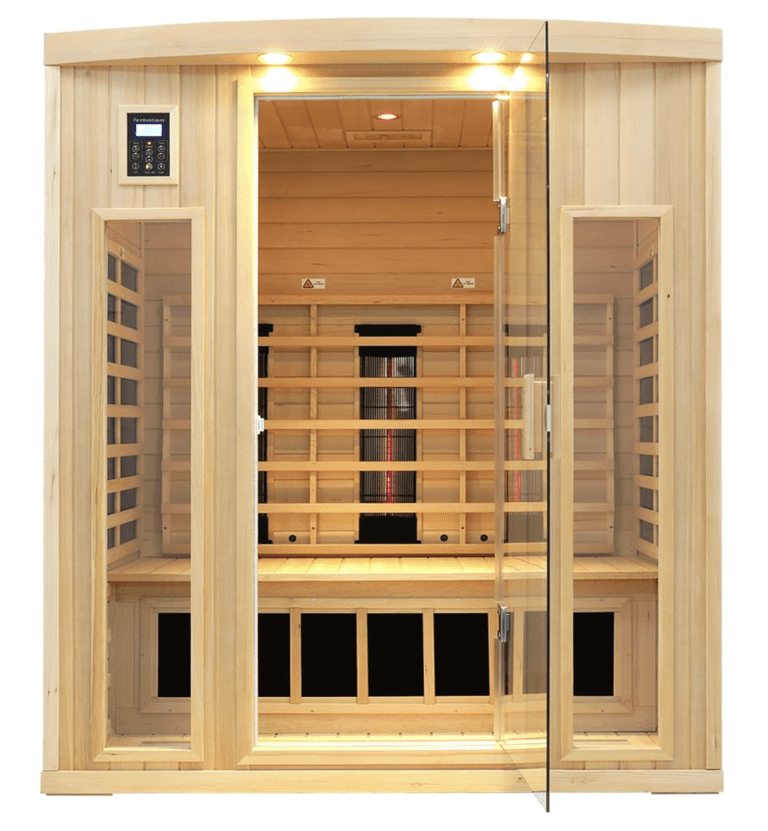
- Heat therapy: Sauna or warm baths increase blood flow and relax muscle tension. Heat is better suited for non‑training days or later in the recovery window.
For active recovery tools and techniques, see our active recovery exercises, foam roller guide, and massage gun recovery science. For contrast therapy, see cold plunge vs. ice bath and sauna and cold plunge contrast guide.
“Recovery is not lying on the couch. It is active restoration. Blood flow work, mobility, and soft tissue care are not optional extras. They are the difference between feeling ready to train and dragging yourself to the gym.”
Charles Damiano, B.S. Clinical Nutrition
Sleep and Stress: The Overlooked Recovery Drivers
Sleep is when growth hormone peaks and muscle protein synthesis ramps up. Without adequate sleep, no amount of nutrition or active recovery will compensate.
Recovery non‑negotiables:
- 7‑9 hours of quality sleep per night. This is when the body does its most intensive repair work.
- Consistent sleep schedule. Circadian rhythm matters. Irregular sleep disrupts hormonal cascades that support recovery.
- Stress management. Chronic cortisol elevation is catabolic. It breaks down tissue and impairs protein synthesis.
- Sleep supplements: Magnesium, ZMA, or melatonin can support sleep quality when used appropriately.
For sleep optimization, see our sleep optimization hub, complete sleep guide, and best sleep supplements. For stress and nervous system regulation, see nervous system regulation guide and adaptogens for stress.
Final Verdict: The Arm Recovery Blueprint
Arms grow when they are trained hard and allowed to recover fully. Smashing them every day with no plan does not produce growth. It produces tendinitis and frustration.
The recovery blueprint:
- Train arms directly 2‑3 times per week maximum. Account for indirect work from pulls and presses.
- Eat enough protein (1.6‑2.2g/kg) and carbs. Fuel the repair process.
- Use active recovery tools: Light blood flow work, foam rolling, massage, and contrast therapy as needed.
- Prioritize sleep and stress management. These are not optional.
- Listen to your elbows. Pain is feedback. Back off when recovery is lagging.
For complete arm training programs, see our 12‑week arm growth plan, arm workout for hardgainers, and progressive overload for arms. For recovery science, see muscle recovery hub and rest day science.
The Bottom Line: Recover to Grow.
You cannot out‑train poor recovery. Arms are a reflection of your overall approach. Train them with intensity. Feed them with precision. Let them rebuild with sleep and active care. The sleeves will follow.
*Verified 2026 recovery protocols.
The Supplement Lexicon: Arm Recovery Edition
- Muscle Protein Synthesis (MPS)
- The biological process of building new muscle protein. Elevated by resistance training and dietary protein intake. Peaks 24‑48 hours after training.
- Delayed Onset Muscle Soreness (DOMS)
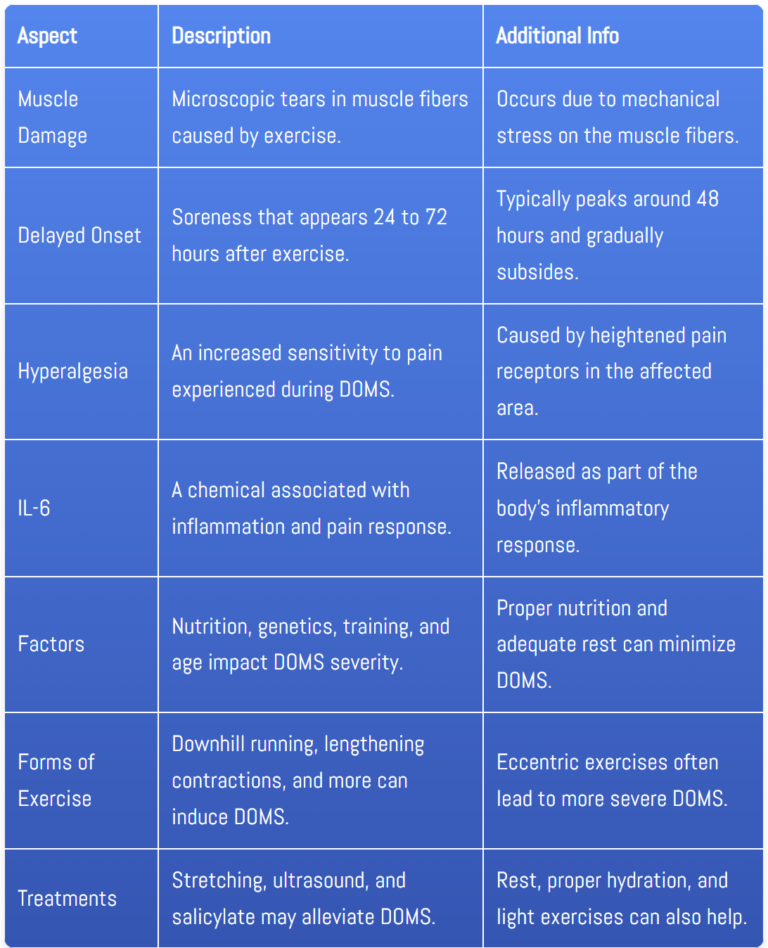
- The soreness felt 24‑72 hours after unaccustomed or intense training. Indicates muscle damage and the start of the repair process.
- Active Recovery
- Low‑intensity movement performed between training sessions to increase blood flow, reduce stiffness, and accelerate healing without adding fatigue.
- Contrast Therapy
- Alternating between hot and cold exposure (sauna and cold plunge) to improve circulation, reduce inflammation, and support recovery.
- Autoregulation
- The practice of adjusting training volume and intensity based on how recovered you feel. Essential for avoiding overtraining and managing fatigue.
- Elbow Tendinopathy
- Pain and inflammation in the tendons around the elbow, often caused by excessive training volume without adequate recovery. Common in lifters who overdo arm work.