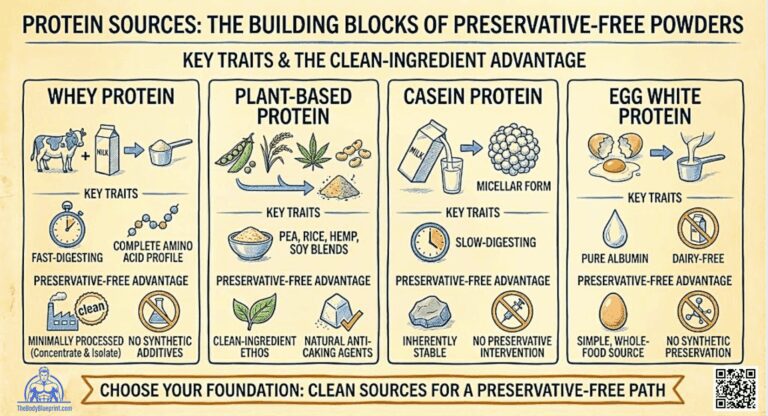
For the lifters who read labels like crime scene investigators, the athletes with soy allergies that turn recovery into reaction, the purists who want their protein as nature intended—clean, simple, effective. The search for whey protein without soy isn’t about dietary trends; it’s about finding fuel that doesn’t fight back. Found in the quiet determination of your post-workout ritual, in the morning shake that sets the day’s tone, in the simple truth that some things shouldn’t be complicated. When you realize most protein powders use soy lecithin as a cheap emulsifier, turning your gains into a chemical negotiation. Because your muscles deserve better than agricultural industrial byproducts. Let’s get to it.
The landscape of whey protein isolate is littered with shortcuts. Soy lecithin—that ubiquitous emulsifier in everything from Optimum Nutrition Gold Standard 100% Whey to mass-market blends—is the protein industry’s dirty little secret. It’s the crutch that makes cheap powders mixable and extends shelf life, while introducing phytoestrogens and potential allergens into what should be pure fuel. Always check for “soy lecithin” in the ingredients—it’s the telltale sign of a formula cutting corners.
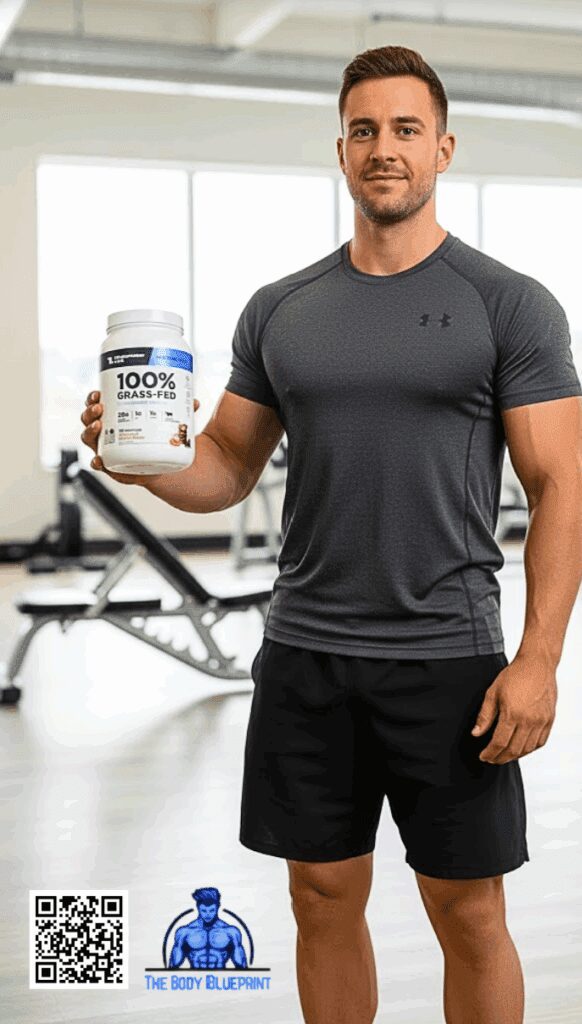
👉 Straight Talk: That image links to our top pick. I earn a commission if you buy (your price doesn’t change). This keeps the lights on for uncompromising reviews. Fair trade for saving you from soy-filled protein?
The Soy-Free Landscape: Who’s Clean, Who’s Cutting Corners
Walk into any supplement store and you’ll find a wall of options, but the soy-free whey protein selection is surprisingly sparse. Optimum Nutrition Gold Standard 100% Whey markets itself as premium but relies on soy lecithin—the very ingredient we’re trying to avoid. Dymatize ISO100 Hydrolyzed Whey and Isopure Zero Carb Protein Powder often follow suit. Look beyond marketing claims to the actual ingredient panel—the truth is always in the small print.
The real standouts emerge when you dig deeper. Naked Nutrition Naked Whey offers simplicity but uses whey protein concentrate instead of isolate. Muscle Feast Grass-Fed Whey Isolate and NOW Sports Whey Protein Isolate get closer to the mark, while Garden of Life Sport Grass-Fed Whey brings organic credentials to the table. But for the trifecta of grass-fed whey protein, soy-free formulation, and complete transparency, Transparent Labs Grass-Fed Whey Isolate operates in a different league.

👉 Real Disclosure: That’s an affiliate link. I get a small kickback if you purchase, but you pay exactly the same. This supports the investigative work that uncovers which proteins are actually clean. Fair trade?
The Unfiltered Breakdown: Soy-Free Warriors vs. Soy-Laden Pretenders
| THE CLEAN (Soy-Free) | THE COMPROMISED (Contains Soy) |
|---|---|
| Transparent Labs Grass-Fed Whey Isolate – No soy, no artificial anything, just pure protein purity | Optimum Nutrition Gold Standard – Uses soy lecithin as emulsifier |
| Muscle Feast Grass-Fed Whey Isolate – Solid choice, solid purity | Dymatize ISO100 – Often contains soy lecithin |
| Naked Nutrition Naked Whey – Simple but uses concentrate, not isolate | Most mass-market blends – Soy is the cheap mixing solution |
| NOW Sports Whey Protein Isolate – Budget-friendly soy-free option | Store brands – Almost guaranteed soy content |
If you’re serious about avoiding soy, stick with isolates from companies that explicitly state “soy-free” on the label—not just in the marketing copy.
The Engine Room: Why Soy-Free Whey Isolate Matters
The protein industry runs on economies of scale and mixing efficiency. Soy lecithin is the secret weapon that makes cheap whey protein concentrate blend smoothly and stay suspended in liquid. But for athletes with soy allergies, sensitivities, or those who simply want to minimize plant estrogens in their bodybuilding protein regimen, this convenience comes at a cost. Transparent Labs approaches the problem differently: instead of adding emulsifiers, they start with superior raw materials. Their grass-fed whey protein from pasture-raised cows in Ireland is cold-processed whey and microfiltered whey to such a fine particle size that it mixes cleanly without soy lecithin or other artificial crutches.
“The choice between soy-free and conventional whey isn’t just about allergens—it’s about purity philosophy. Soy lecithin is used because it’s cheap and effective, not because it enhances the protein’s amino acid profile or protein absorption. When you choose a soy-free whey protein like Transparent Labs, you’re voting for a product that stands on its own merits rather than leaning on agricultural byproducts. For athletic recovery protein, starting with the cleanest possible source eliminates variables that could interfere with recovery and performance,” says Charles Damiano, B.S. Clinical Nutrition.
If your current protein contains soy lecithin and mixes perfectly, consider that you might be paying for fillers and emulsifiers rather than pure protein. A little settling in your shaker is often the sign of a cleaner product.
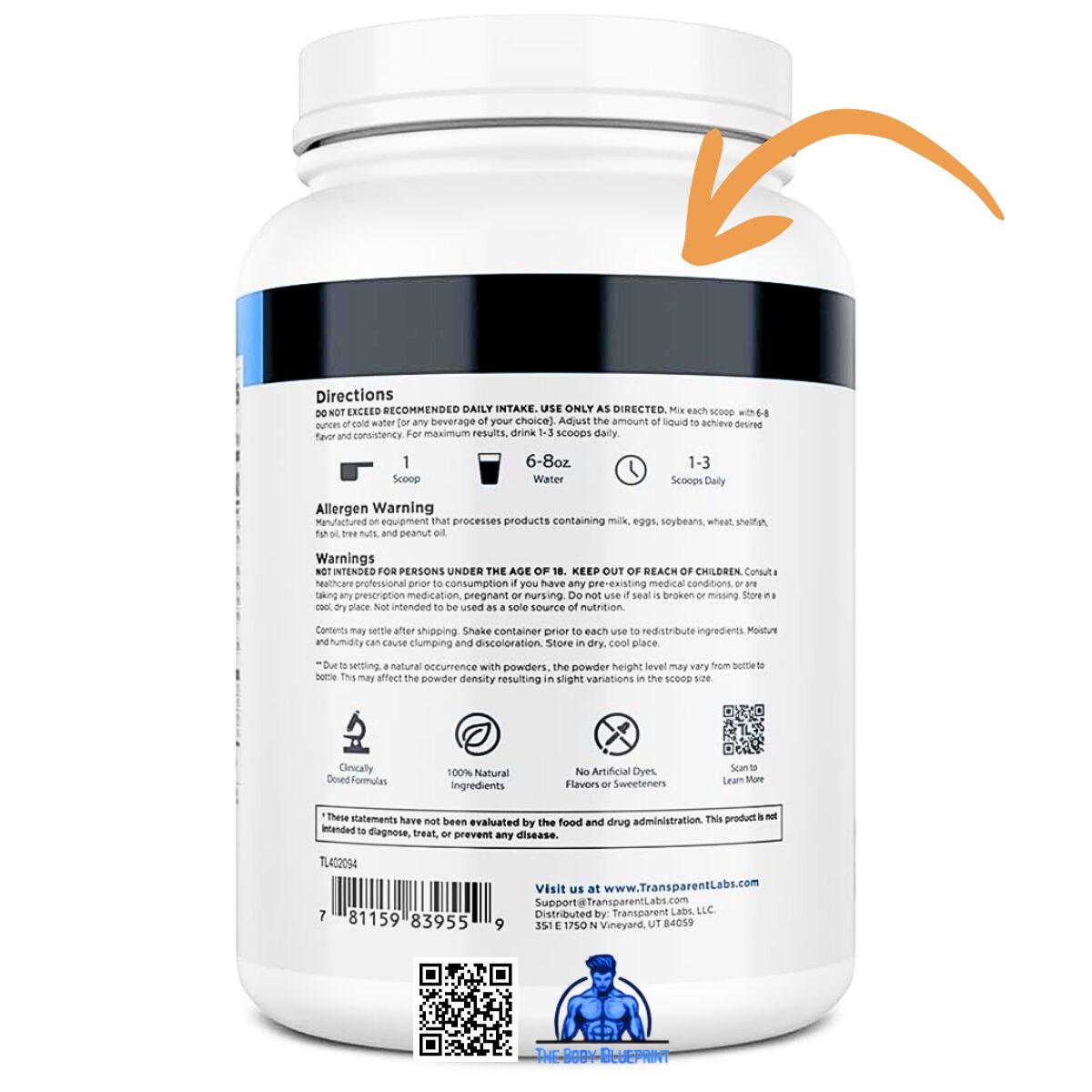
👉 Full Transparency: Yes, that’s an affiliate link. I earn a commission if you buy, at zero cost increase to you. This fuels the research that separates marketing from reality. Fair trade for saving you from soy-laden protein?
Specs That Separate the Pure From the Polluted
| Key Differentiators | Transparent Labs Whey Isolate | Typical Whey with Soy |
|---|---|---|
| Soy Content | Zero Soy (Verified) | Contains Soy Lecithin |
| Protein Source | Grass-Fed Isolate (Ireland) | Concentrate Blend (Mixed Sources) |
| Emulsifiers | Protein Without Emulsifier | Soy Lecithin, Sunflower Lecithin |
| Artificial Sweeteners | None (Stevia/Monk Fruit) | Acesulfame K, Sucralose Common |
| Third-Party Testing | NSF Certified, Third-Party Tested | Rarely Verified |
| Mixability | Good (May Settle) | Excellent (Thanks to Soy) |
Don’t be fooled by perfect mixability—often the smoothest proteins are the most processed. A little shaking is a small price for purity.
5 Soy-Free Protein Questions (Answered Without the Bro-Science)
A: Soy lecithin is the protein industry’s cheap mixing solution. As Eugene Thong, CSCS, explains: “Soy lecithin is an incredibly effective emulsifier that makes even low-quality proteins mix smoothly and stay suspended. It’s about manufacturing efficiency and customer satisfaction—people don’t like clumpy protein. The problem is that it introduces plant estrogens and potential allergens into what should be a pure product. Better companies either use higher quality protein that mixes well naturally or accept that some settling occurs in exchange for purity.” If your protein mixes perfectly without shaking, question what’s making that possible.
A: The soy itself won’t directly hinder muscle growth, but the principle matters. As Charles Damiano notes: “For most people, the small amount of soy lecithin in protein powder won’t impact muscle protein synthesis. However, if you’re sensitive to soy or concerned about phytoestrogens, why introduce that variable? Clean whey protein isolate provides everything you need for muscle repair without potential complications. It’s about eliminating unnecessary variables in your protein supplement routine.”
A: Several brands offer solid soy-free options with different trade-offs. Muscle Feast Grass-Fed Whey Isolate provides similar purity at a competitive price. NOW Sports Whey Protein Isolate offers budget-friendly soy-free protein. Naked Nutrition Naked Whey keeps it simple but uses concentrate rather than isolate. Garden of Life Sport Grass-Fed Whey brings organic credentials to the table. Each has its merits, but Transparent Labs consistently delivers across all purity metrics. Sample smaller quantities of different brands to find which works best for your taste and digestion.
A: Look beyond the marketing and read the actual ingredient panel. As Eugene Thong advises: “The words ‘soy lecithin’ will appear in the ingredients if it’s present. Also check for warnings like ‘processed in a facility that also processes soy’ if you have severe allergies. Truly soy-free proteins like Transparent Labs will explicitly state their soy-free status and have clean ingredient panels to back it up.” Download a retailer’s app and zoom in on the ingredient panel images before purchasing.
A: Let’s do the real math. Conventional whey with soy might save you $10-15 per tub, but you’re getting a product that relies on agricultural byproducts and potential allergens. When you calculate cost per gram of pure, unadulterated protein that aligns with your health principles, the premium for soy-free is often less than the price of a coffee each week. For athletes focused on optimal recovery and clean nutrition, that’s a negligible cost for significant peace of mind. Buy in larger containers when possible—the per-serving cost becomes much more reasonable.
My Recommendation
After testing the landscape of soy-free whey protein options, Transparent Labs Grass-Fed Whey Isolate delivers what others promise but rarely achieve: verified soy-free status, complete ingredient transparency, and no compromise on protein purity or digestive comfort. Start with the unflavored version to assess pure protein quality before exploring flavors.
For Soy-Conscious Athletes: TRANSPARENT LABS GRASS-FED WHEY ISOLATE
Final Thought: In the protein purity game, you’re either the athlete drinking verified soy-free whey protein that delivers muscle repair without agricultural byproducts, or you’re consuming protein that relies on the same industrial shortcuts as every mass-market powder. Transparent Labs Grass-Fed Whey Isolate isn’t just a product—it’s a position. It stands for the radical notion that your fuel should be as clean as your training is hard, that transparency matters more than perfect mixability, that some compromises aren’t worth making. Your choice isn’t about which protein builds more muscle; it’s about whether you value principled nutrition or you’re just drinking whatever mixed easily. Now you know the landscape. The rest is on you.