V-taper abs are built with wide lats, developed obliques, and a lean midsection—not endless crunches. This is the 2026 tactical blueprint to snatch your waist. We’re cutting through core fluff and spot-reduction lies to deliver the three-part protocol: back development, intelligent core training, and strategic fat loss. This is the architectural plan before you waste another rep.
Disclaimer: You’re here to find a plan that’ll get you results, and I’m here to help. Consult a physician before starting any new exercise or nutrition program. This guide is based on training principles, not medical advice.
V-Taper Anatomy: It’s a Back and Waist Game
The V-taper illusion is created by two things: wide lats/shoulders up top and a narrow, lean waist down below. Your abs are the centerpiece, but the frame is built by your back. Training just your core is like detailing a car with no engine—pointless. You must attack both structural width and midsection leanness simultaneously. For a complete movement library, see our exercise database hub.
- Latissimus Dorsi (Lats): The wings. Develop these with vertical and horizontal pulls to create width.
- Obliques & Transverse Abdominis: The waist sculptors. Train for stability and etching, not bulk.
- Body Fat Percentage: The revealer. Subcutaneous fat hides everything. Get lean or stay unseen.
Core Training Rules: Etch, Don’t Bloat
Train your core for stability and definition, not size. Use isometrics, anti-rotation, and progressive overload. Forget high-rep crunches—they build endurance, not shape, and can thicken the waist. Your core’s job is to resist motion, brace under load, and look etched in granite. Master the Dead Bug before you try a Dragon Flag.
The 3 Pillars of V-Taper Core Training
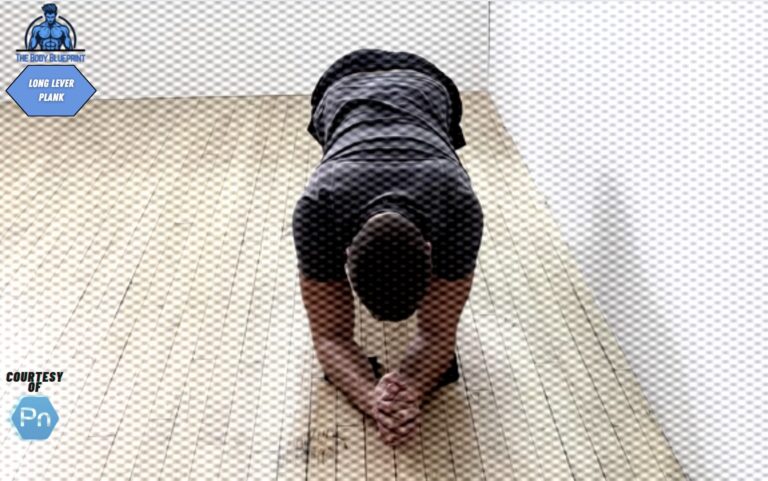
- Anti-Extension: Prevents your lower back from arching. Master the Ab Wheel Rollout and Plank.
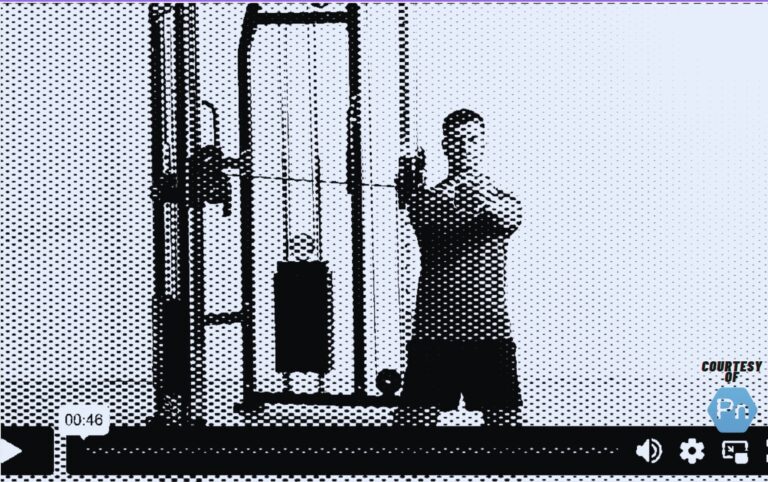
- Anti-Rotation: Prevents your torso from twisting. The king is the Tall-Kneeling Pallof Press.
- Anti-Lateral Flexion: Prevents side bending. Use Farmer’s Carries and Single-Arm Planks.
“The fastest way to ruin a V-taper is to train obliques with heavy rotational loading like Russian twists. You’ll build thickness. Focus on anti-movement patterns and isometric holds. The goal is to create density and lines, not muscle mass that pushes your waist out.”
— Eugene Thong, CSCS
The 3-Day V-Taper Ab Routine
This routine attaches core work to your primary lifting days, prioritizing quality over daily marathons. Perform these circuits at the END of your main workouts (Push, Pull, Legs). Strength first, aesthetics second.
Day 1: Pull Day + Anti-Extension Focus
After your rows and pull-ups, complete this circuit 3 times, resting 60s between circuits.
- A. Ab Wheel Rollout: 3 sets of 8-12 strict reps.
- B. Hanging Leg Raise: 3 sets of 10-15 reps (focus on pelvis tilt).
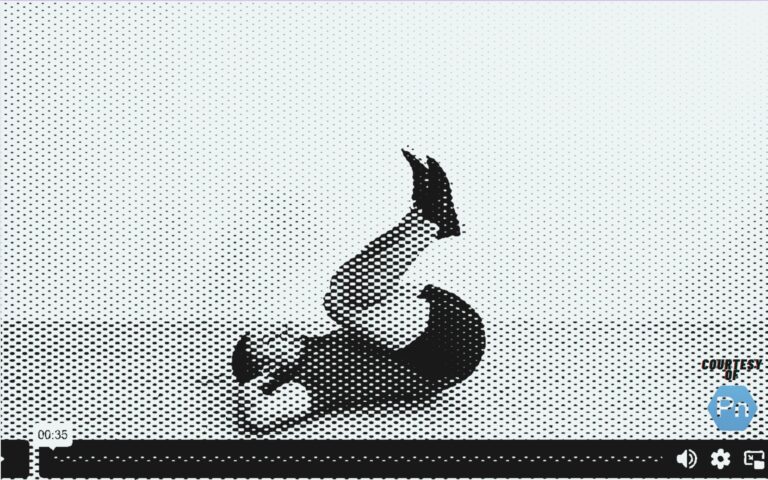
- C. Dead Bug: 3 sets of 10 reps per side (slow tempo).
Day 2: Push Day + Anti-Rotation Focus
After your presses, complete this circuit 3 times, resting 60s between circuits.
- A. Tall-Kneeling Pallof Press (Iso Hold): 3 sets of 20-30 second holds per side.
- B. Bodyweight Saw: 3 sets of 12-15 reps.
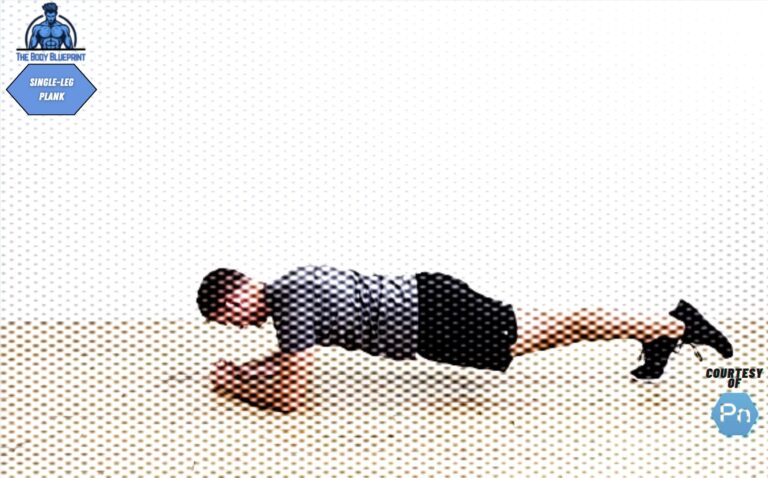
- C. Single-Arm Plank: 3 sets of 20-30 second holds per side.
Day 3: Leg Day + Anti-Lateral Flexion & Carry
After your squats and deadlifts, complete this circuit 3 times, resting 60s between circuits.
- A. Farmer’s Carry: 3 carries of 40-60 meters (heavy as possible).
- B. Side Plank: 3 sets of 30-45 second holds per side.
- C. Stability Ball Rollout: 3 sets of 10-12 reps.
Nutrition to Reveal Your V-Taper: The Hard Truth
Your V-taper is carved in the kitchen, not the gym. Get to 10-12% body fat or your abs are interior decor. You can have the most developed core in the world, but if it’s covered in a layer of fat, the V-taper is invisible. This is a multi-month cut, not a two-week shred. For a complete guide, see our How to Get Abs blueprint.
The 3 Non-Negotiable Diet Rules
- Caloric Deficit: Consume 300-500 calories below your maintenance daily. Track for 2 weeks, adjust.
- High Protein Intake: Eat 1-1.2g of protein per pound of bodyweight to preserve muscle while cutting.
- Strategic Carbohydrate Timing: Place most carbs around your training (pre/post-workout) to fuel performance and recovery.
Eliminate Liquid Calories and Mindless Snacking. These are the silent killers of a lean waistline. Alcohol is a direct saboteur of fat loss and core definition.
3 Mistakes That Widen Your Waist & Kill Your V-Taper
These errors are more common than correct form. Avoid them from day one. For a deeper dive on fixing your midsection, read our guide on losing lower belly fat.
1. Overtraining Obliques with Rotation
Heavy Russian twists, side bends, and cable rotations add muscular thickness to your waist. You’re literally building the muscle that pushes your waistline out, counteracting the “narrow” look. Stick to anti-rotation and isometrics.
2. Neglecting Compound Lifts & Back Development
If you don’t build wide lats and shoulders, you have no “V”. Your waist might be lean, but you’ll look like a ruler. Prioritize Lat Pulldowns, Rows, and Overhead Presses.
3. Ignoring Diaphragmatic Breathing and Posture
Chronic bad posture and chest breathing keep your core protruded. Practice 90/90 Wall Balloon-Breathing daily to learn diaphragmatic breathing and reset your core position. Stand tall—poor posture hides all definition.
The Bottom Line: Build the Frame, Reveal the Art
The V-taper is an architectural project. Build width with heavy pulls, sculpt a lean waist with intelligent core training, and reveal it all with disciplined nutrition. Stop doing crunches. Start training the anti-movements. Get lean. The formula is simple; the execution is everything.
V-Taper Abs FAQ
How long does it take to get a V-taper?
With discipline: 4-6 months to build the foundation and strip the fat. It’s a body recomposition project, not a 30-day shred.
Will training obliques make my waist bigger?
YES, if you train them for size with heavy rotation. NO, if you train them for stability with isometrics and anti-movements.
What’s the best exercise for the V-taper?
The Lat Pulldown/Pull-Up and the Pallof Press. One builds the wide top, the other builds a stable, lean waist without adding bulk.
Can I get a V-taper if I have love handles?
Yes, but you must reduce your overall body fat percentage. You cannot spot-reduce love handles. See our guide Why Can’t I Lose Love Handles?
How often should I train abs for a V-taper?
3-4 times per week, with focused, high-quality sessions. Attach the routines here to your main lifts. Quality over daily frequency.