The Single-Arm Dumbbell Push Press is the 2026 blueprint for explosive overhead power and unilateral structural integrity.
Look, if your overhead press has been stalled for months, it’s because you’re ignoring your kinetic chain. We aren’t just pressing a weight; we are transferring force from the floor, through the core, and out the palm. This is how you bypass plateaus and force your shoulders to grow.
Disclaimer: Consult a physician before starting any high-intensity program. This guide focuses on performance and aesthetic optimization and is for educational purposes only.
The Power Tool: Single-Arm DB Push Press
The Single-Arm Dumbbell Push Press is a unilateral compound movement that uses a “dip and drive” leg mechanic to accelerate a weight overhead. Unlike the strict Single-Arm Seated Overhead Press, the push press allows you to move 15–20% more weight, overloading the triceps and shoulders while demanding elite core stability to prevent the torso from tipping.
- Primary Focus: Anterior Deltoids, Triceps, Quads (drive), Core (anti-lateral flexion).
- Equipment Needed: One Dumbbell.
- Skill Level: Intermediate. Requires timing and coordination.
- Key Purpose: Build overhead power, fix unilateral imbalances, and overload the shoulders.
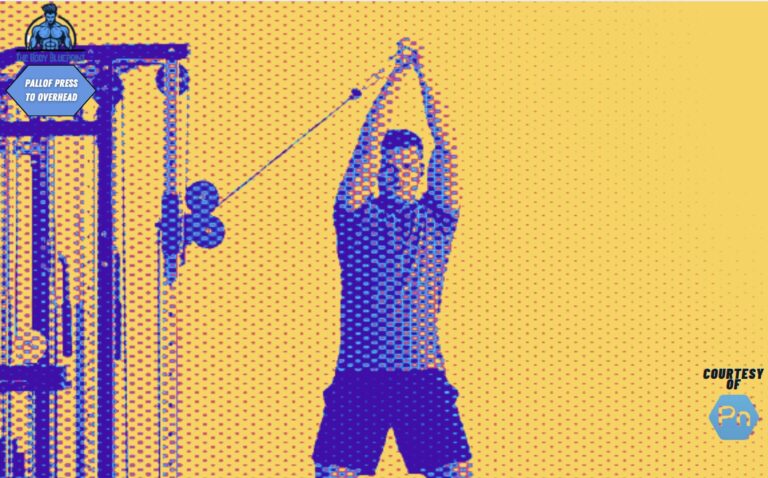
Single-Arm DB Push Press technique. Watch the transition from leg drive to arm extension.
Why This Movement Dominates Search Results
The data is clear: unilateral explosive work creates a more resilient athlete. By training one side at a time, you expose the “leaks” in your core. If you can’t stabilize a heavy DB overhead, you’ll never reach your potential in the Barbell Overhead Shrug.
- Supramaximal Overload: The leg drive lets you handle weights your shoulders couldn’t lift alone, smashing through sticking points.
- Anti-Rotational Core Strength: Your abs and obliques must fire to keep the weight from pulling you sideways. It’s like a standing Single-Leg Plank for your upper body.
- Athletic Carryover: Transfers directly to throwing, punching, and jumping.
- Bigger Shoulders: Higher weight + controlled eccentrics = more hypertrophy.
Step-by-Step Form: The Kinetic Blueprint
- The Rack: Hold the DB at shoulder height with a neutral grip. Your elbow should be slightly in front of your ribs. Brace your core like you’re about to take a punch.
- The Dip: Perform a shallow “quarter squat.” Keep your torso perfectly vertical. If you lean forward, you lose power. Prep your ribcage with 90/90 Wall Balloon-Breathing before starting.
- The Drive: Explode upward through your heels. Imagine jumping off the floor. As your legs reach full extension, transfer that momentum into the dumbbell.
- The Punch: Drive the weight to full lockout. Your bicep should be next to your ear. Do not let your back arch.
- The Eccentric: Lower the weight under control to the rack position. Reset and repeat.
“The single-arm push press is the ultimate test of core integration. If you can’t transfer force from your heels to your palm without your midsection collapsing, you’re leaving 30% of your power on the table. It’s a full-body synchrony drill disguised as a shoulder exercise. Pair it with Ab Wheel Rollouts to ensure your pillar is unbreakable.”
— Eugene Thong, CSCS
3 Common Mistakes & How to Fix Them
Sloppy reps lead to zero gains and shoulder impingement. Fix your biology.
1. The “Soft” Core
The Mistake: Your torso leans away from the dumbbell to “cheat” the weight up. The Fix: Squeeze your opposite glute and fist. Stay vertical. If you’re leaning, the weight is too heavy or your core is weak—hit some Ab Wheel Isos.
2. Muted Hip Drive
The Mistake: Doing a “half-press” where the legs and arms aren’t timed together. The Fix: The arm only starts moving once the hips are fully extended. Think: Legs, then Arm.
3. Losing the Lockout
The Mistake: Not finishing the rep with a vertical arm, leaving the weight out in front. The Fix: Punch the ceiling. If your shoulder mobility is trash, incorporate Cross-Body Lat Mobilization.
“From a performance standpoint, explosive overhead work increases systemic metabolic demand. You’re recruiting more muscle mass, which drives a better hormonal response for growth. Just make sure you’re fueling the repair—use a clean protein like Equip Prime Beef to maximize those recovery pixels.”
— Charles Damiano, B.S. Clinical Nutrition
Programming & Integration
This is a high-power movement. Place it at the start of your workout.
- Pure Power: 5 sets of 3-5 reps per side. Rest 2 minutes. Heavy weight.
- Hypertrophy: 3 sets of 8-10 reps per side. Focus on a 3-second eccentric (lowering) phase.
- Metabolic Conditioning: Pair with Walking Farmer’s Carries for a total work capacity nightmare.
Variations to Scale Difficulty
- To Regress: Stick to the Tall-Kneeling Overhead Press to build core stability first.
- To Progress: Use a Barbell Push Press for maximum load.
- The Balance Test: Try the Single-Arm Walking Farmer’s Carry to prep the shoulder stabilizers.
The Verdict
The Single-Arm DB Push Press is the ultimate tool for merging lower-body power with upper-body mass. It demands coordination, stability, and grit. Master the timing, drive through the floor, and own the lockout.
Single-Arm DB Push Press FAQ
Should I use my legs on every rep?
Yes. That is the definition of a push press. If you want to isolate the shoulders without legs, do a Dumbbell Bench Press or strict press.
What if I feel this in my lower back?
You’re likely arching to compensate for poor shoulder mobility. Tighten your glutes and abs. If it persists, use 90/90 breathing to reset your pelvis.
How heavy should I go?
Go heavy enough that a strict press would be impossible, but you can still control the lowering phase.