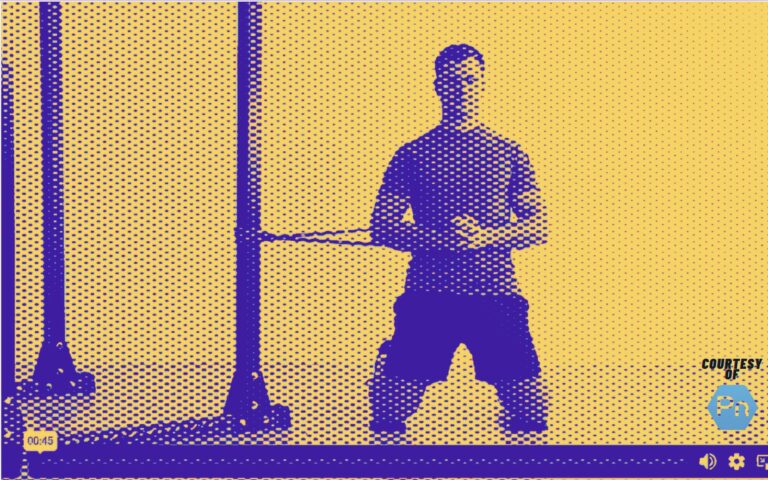
Simple core exercises are the bracing protocols required to stabilize the spine and support high-level functional movement. This 2026 technical roster maps the anti-extension and isometric stability patterns needed for a durable midline. We’re cutting the fluff to deliver the exact “low-threshold” mechanics and tension cues for improved structural integrity. This is your foundational blueprint for maintaining stability under heavy athletic load.
Disclaimer: This content is for informational purposes only. Midline training is a method of improving stability, not a medical treatment for spinal pathology. Consult a professional before starting a new training regimen.
The 2026 Simple Core Exercise Table: Bracing & Stability
How to use this library: Use the search function within the table to filter by specific movement patterns like anti-extension or posterior stability. We’ve prioritized “low-threshold” movements that build a foundation of stability without the need for complex home gym gear.
The Logic of the Midline: Bracing vs. Flexion
True core strength is about resisting movement, not creating it. While traditional “bro-science” focuses on spinal flexion (crunches), modern core exercises prioritize anti-extension and anti-rotation. This approach ensures your “chassis” can handle the torque generated during compound exercises like the deadlift.
If you want to move from high-rep fluff to real-world power, stop chasing the “burn” and start mastering the dead bug and the Pallof press. These movements teach your nervous system to lock the ribs to the pelvis, creating a rigid pillar for force transfer.
Simple Core FAQ: Quick Fire Answers
Can simple core exercises get you six-pack abs?
No exercise can out-train a poor diet. While these movements build the muscular density of your midsection, visibility is a function of body fat percentage. You need to combine these stability tracks with high-yield protein nutrition and a kitchen-first strategy for definition.
How often should I train my core?
Core training is a daily requirement for structural integrity. Because these are “low-threshold” stability moves, they can be integrated into your foundational warm-ups or performed as active recovery. Focus on the quality of the brace rather than the quantity of the reps.
Do I need equipment for a strong core?
Absolutely not. Your bodyweight is the primary tool for core stability. Movements like the plank and bird-dog provide sufficient stimulus to improve spinal support without a single dumbbell.
The Bottom Line: Stability is the Foundation
A strong midline is the difference between a high-performance engine and a collapsing frame. Use this table to master the bracing mechanics that protect your spine and unlock your true strength potential. Stop overcomplicating your abs and start stabilizing your core.