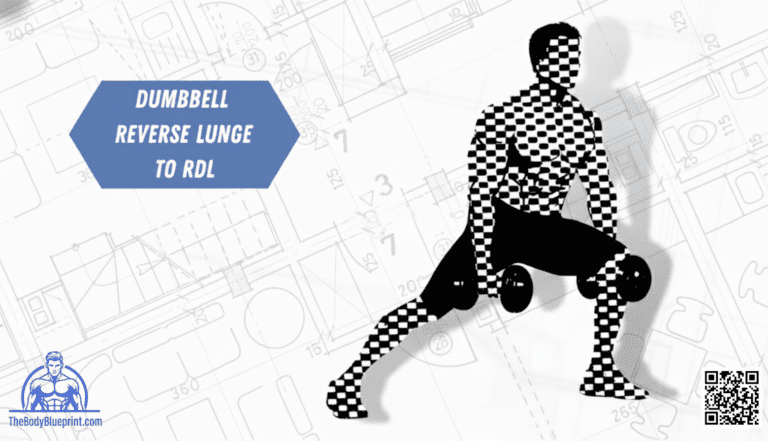
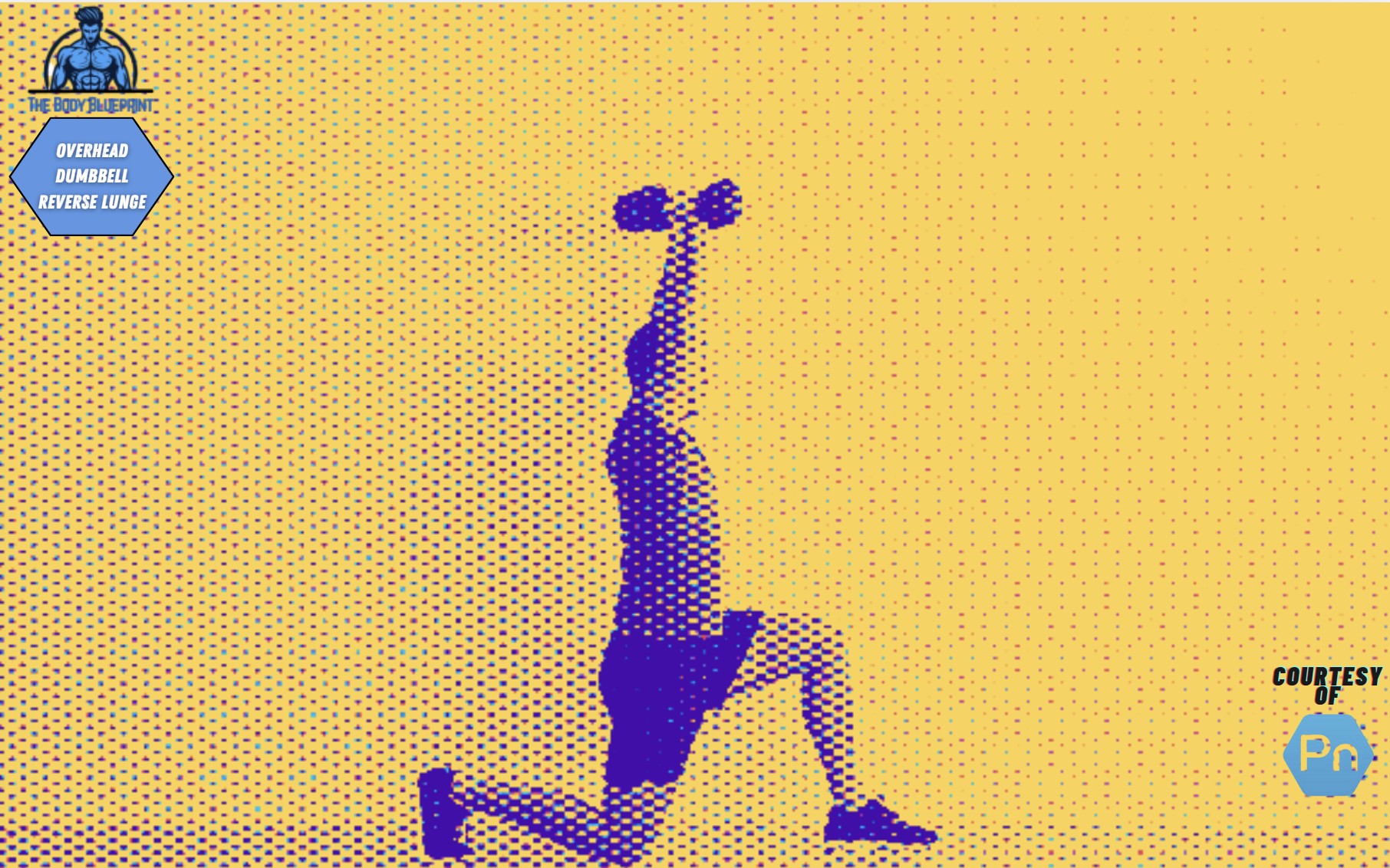
The Reverse Lunge with Overhead Dumbbells is the premier exercise for integrating lower body power with upper body stability. While standard lunges target the legs, adding an overhead load forces the core to transfer force through the entire kinetic chain.
Important: If you cannot press your arms overhead without arching your back (rib flare), you lack the shoulder mobility for this lift. Work on thoracic extension first.
Why Overhead Lunges Build Real-World Power
You are only as strong as your weakest link, and this exercise finds it immediately. By lengthening the lever arm (holding weight overhead), you magnify the instability. Your core must brace aggressively to prevent the spine from extending or twisting.
The Benefits at a Glance
| Advantage | The Payoff |
|---|---|
| Kinetic Integration | Teaches the body to transfer force from the floor, through the core, to the hands. |
| Proprioception | Forces you to know where your body is in space without looking. |
| Shoulder Stamina | Isometric holds overhead build massive stability in the rotator cuff and traps. |
How to Perform Overhead Reverse Lunges Correctly
This is a balancing act, not just a strength move; if you rush, you will fall. You must establish the overhead position before you take a step.
Step-by-Step Execution
- The Lockout: Press two dumbbells overhead. Biceps by the ears. Lock the elbows.
- The Brace: Pull the ribs down. Squeeze the glutes. You should feel like a solid column.
- The Step: Step back with one leg. Lower the hips straight down.
- The Depth: The back knee should “kiss” the floor. The front shin should remain vertical.
- The Drive: Push through the front heel to return to standing. Keep the weights punched to the ceiling.
“Imagine you are holding a tray of drinks overhead. If you wobble, you spill. Keep the arms frozen. The movement comes entirely from the hips.”
— Eugene Thong, CSCS
Common Mistakes That Kill Stability
If your elbows bend, you are cheating the core stability component. The difficulty comes from the long lever; bending the arms shortens the lever and makes the exercise pointless.
- The Rib Flare: Arching the lower back to keep arms up. Fix: Reduce the weight and engage the abs.
- Tightrope Walking: Stepping directly behind the front foot. Fix: Step back on “train tracks” (shoulder width) for balance.
- Forward Lean: Torso collapsing over the front thigh. Fix: Keep the chest proud and eyes on the horizon.
Programming for Athleticism and Stability
This movement is neurologically demanding, so place it early in your workout. Do not do this when you are exhausted, or you will compromise your shoulder health.
Sample Protocol
| Goal | Sets/Reps | Context |
|---|---|---|
| Coordination | 3 x 8-10 reps | Focus on perfect balance. |
| Hypertrophy | 4 x 12 reps | Time under tension. |
Performance Stack
Overhead stability taxes the joints and requires a rock-solid gut for bracing.
- Connective Tissue: Shoulders and knees take the load. Support them with Collagen Peptides to maintain tendon integrity.
- Inflammation: Athletic training causes systemic inflammation. Use Fish Oil to keep joints moving smoothly.
- Core Bracing: A bloated gut cannot brace. Optimize digestion with a high-quality probiotic like in our Seed vs Align comparison.
- Recovery: If your hip flexors are tight, your lunge will suffer. Use the Hypervolt Go 2 to loosen tissue pre-workout.
Tech Alternative
If balancing dumbbells is too risky for your current level, start with digital resistance.
Smart gyms allow you to train stability with safety features. Check our guide on the best smart home gyms for safer alternatives.
The Verdict
The Reverse Lunge with Overhead Dumbbells exposes fake strength. It forces you to coordinate your entire body under load. If you want to move like an athlete, lift it up, step back, and own the movement.