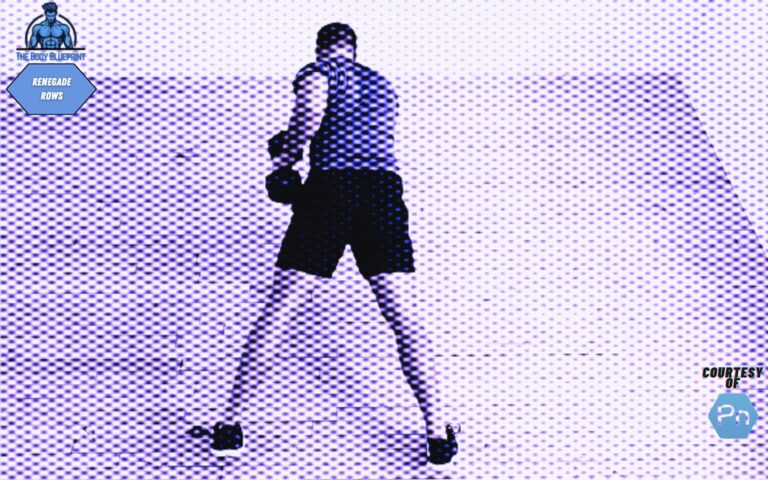
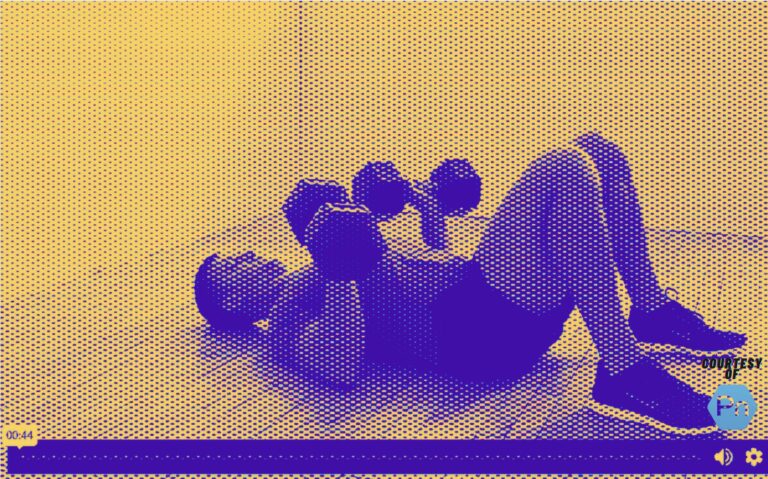
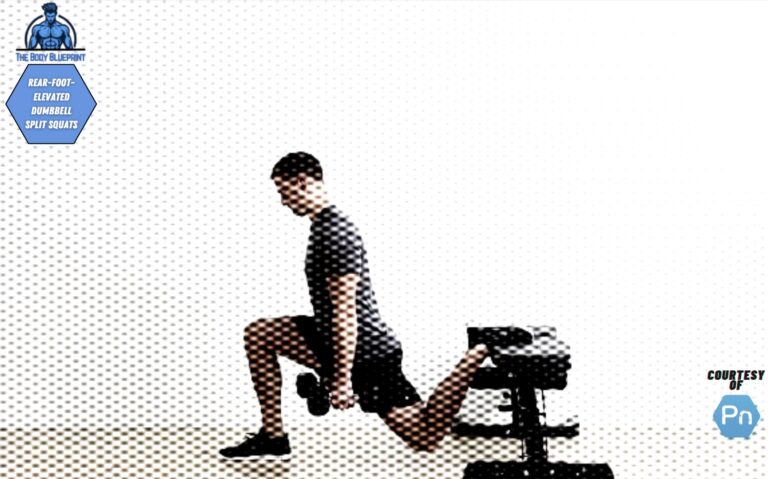
The Offset Dumbbell Split Squat (ODSS) is the single most effective unilateral exercise for exposing and correcting core instability. By holding the weight on only one side, you create a massive “moment arm” that tries to pull your torso over, forcing your obliques and glutes to fight gravity just to stay upright.
Most lifters have strong quads but a weak chassis. They can squat up and down, but the second you add lateral force, they crumble. This exercise fixes that. It is a two-for-one deal: you get the hypertrophy of a lunge with the anti-lateral flexion training of a side plank. If you want legs that are functional and a core that is bulletproof, drop one dumbbell and start training the offset.
Important: Start with half the weight you would use for a normal split squat. The limiting factor here is not your leg strength; it is your ability to not fall over.
Why Offset Loading Builds Better Athletes
Symmetry is a myth; everyone has a dominant side, and bilateral exercises (like barbell squats) let you hide it. The ODSS removes the crutch. By loading one side, you force the contralateral (opposite) core muscles to fire aggressively to maintain posture.
The Benefits at a Glance
| Advantage | The Payoff |
|---|---|
| Anti-Lateral Flexion | Trains the obliques (Quadratus Lumborum) to resist bending sideways. |
| Glute Medius Activation | The side-glute must work overtime to prevent the knee from caving in under the offset load. |
| Real-World Strength | Life is rarely balanced. Carrying groceries, kids, or equipment is almost always an offset load. |
Offset Dumbbell Split Squat Technique Guide
You are tightrope walking with an anchor attached to one side; precision is the only thing keeping you upright.
Step-by-Step Execution
- The Setup: Stand with feet hip-width apart. Step one foot back into a split stance.
- The Load: Hold a dumbbell in the hand on the same side as the forward leg (Ipsilateral) for max core challenge, or the opposite side (Contralateral) for max glute stability.
- The Brace: Squeeze your off-hand into a fist. Tighten your abs. Do not let the weight drag your shoulder down.
- The Descent: Lower the back knee straight down toward the floor. Keep the weight on the front heel.
- The Depth: Go until the back knee hovers an inch off the ground. Do not slam it.
- The Drive: Push through the front heel to return to the start. Stay tall.
“Imagine you are wearing a corset made of steel. If you lean to the side of the weight, you fail. If you overcompensate and lean away, you fail. You must remain a vertical pillar.”
— Eugene Thong, CSCS
Common Mistakes That Kill Stability
If your torso sways like a tree in the wind, you are lifting too heavy. The goal is rigidity, not just moving weight from A to B.
- The Side Bend: Letting the dumbbell pull your shoulder down. Fix: Keep your shoulders perfectly level.
- The Tightrope: Placing feet directly in line (like walking a rope). Fix: Keep feet hip-width apart (like train tracks) for a wider base.
- Hyperextension: Arching the lower back to stay up. Fix: Tuck the pelvis and squeeze the glute of the rear leg.
Programming & Optimization
This is an accessory movement designed to fix imbalances, not a primary power lift. Place it after your heavy squats or deadlifts.
Sample Protocol
| Goal | Sets/Reps | Notes |
|---|---|---|
| Core/Stability | 3 x 10-12 / side | Slow tempo (3 seconds down). |
| Hypertrophy | 4 x 15 / side | Constant tension. No lockout. |
Performance Stack
Unilateral training requires intense neural focus and localized recovery.
- Focus: Balancing on one leg while resisting rotation taxes the brain. Neuro-Mag (Magnesium L-Threonate) sharpens the neuromuscular connection needed to stay upright.
- Energy: Leg days are draining. Redcon1 Total War provides the high-stim energy to power through high-rep unilateral sets.
- Recovery: Glutes get knotted up from stabilizing. Use the Hypervolt Go 2 to release the hip flexors and glutes post-workout.
- Foundation: You can’t build muscle without raw materials. Thorne Basic Nutrients ensures your micronutrient bases are covered.
Equipment Alternatives
If holding dumbbells limits your grip before your legs fatigue, consider cables. The REP Arcadia Functional Trainer allows you to perform this movement with a cable stack, providing constant tension without the grip fatigue.
The Verdict
The Offset Dumbbell Split Squat is the lie detector for your core. It exposes the weakness in your kinetic chain that bilateral squats hide. Drop the weight, offset the load, and build a body that can handle chaos.