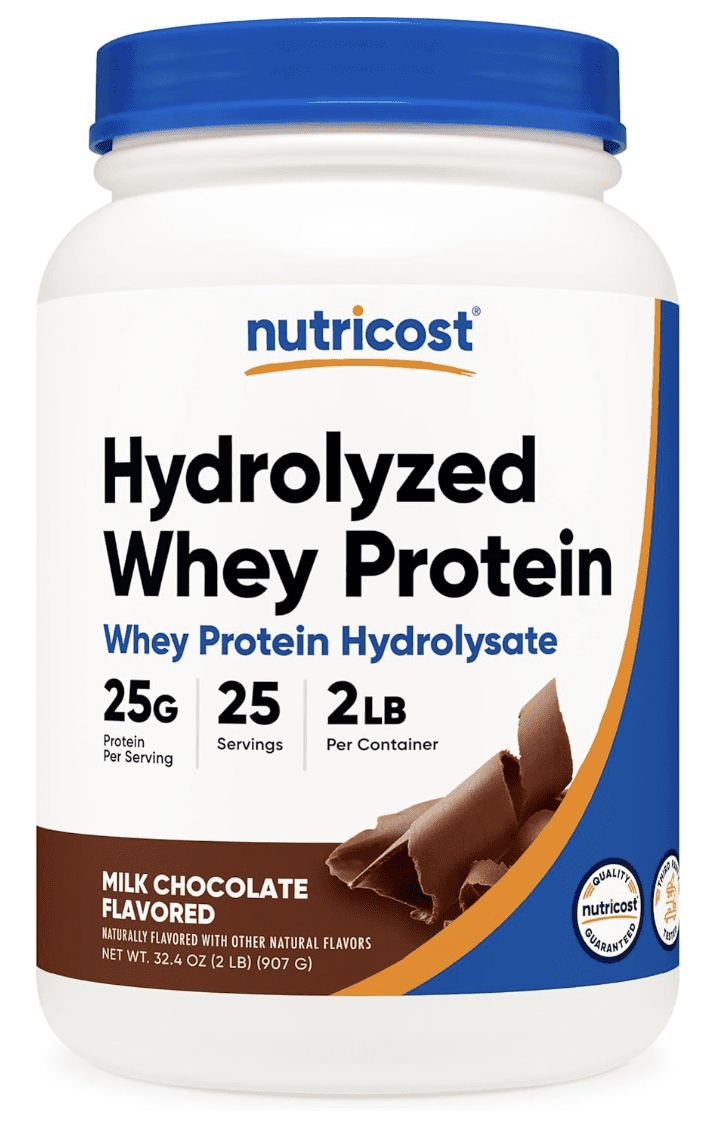
Nutricost Hydrolyzed Whey is the aggressive value-player in the hydrolyzed protein game, offering a fast-absorbing isolate at a price that directly targets the budget-conscious lifter.
But when a product undercuts established brands by a significant margin, the question isn’t about savings—it’s about what you’re sacrificing to get there. Is this the smart buy or a cheap compromise?
Disclaimer: You’re here to find a product that’ll get you results, and I’m here to help. Just a heads-up: As an Amazon Associate, I earn from qualifying purchases. If you buy through my links, I get a small commission at no added cost to you. It’s like I get a little thing for doing the heavy lifting on research. Fair deal? Now, let’s get into the good stuff.
Important: These statements have not been evaluated by the FDA. This product is a dietary supplement. Consult a healthcare provider before starting any new supplement regimen. This review is based on ingredient analysis, published research, and real-world testing.
Nutricost Hydrolyzed Whey Overview: The Price Attack
Nutricost’s entire brand strategy is built on offering no-frills supplements at rock-bottom prices. Their hydrolyzed whey isolate is a direct embodiment of that: it provides the fundamental technology—hydrolyzed whey protein isolate—while stripping away everything non-essential to hit a low price point. It’s a direct challenge to the premium brands.
- Protein Source: 100% Hydrolyzed Whey Protein Isolate.
- Macros Per Scoop (31g): 25g Protein, 3g Carbs (1g Sugar), 1.5g Fat.
- Key Differentiator: Arguably the lowest cost per gram of hydrolyzed isolate among branded products. The value proposition is the headline.
- The Core Idea: To make fast-absorbing, lactose-friendly hydrolyzed protein accessible to lifters who have been priced out by premium brands, accepting trade-offs in flavor and refinement to get there.
The Value-Focused Science: No Extras, Just Protein
Nutricost’s formula is a lesson in focus. They deliver the core active ingredient without the supporting cast.
1. Hydrolyzed Isolate: The Core Delivered
You are getting a legitimate hydrolyzed whey protein isolate. This means the protein has been filtered to remove most fat and lactose, then enzymatically broken down for faster digestion. From a macronutrient and mechanism standpoint, it achieves the primary goal.
2. The “Missing” Elements
To achieve its price, Nutricost omits what many premium brands include:
- No Added Digestive Enzymes: Unlike Dymatize ISO100, it doesn’t include lactase or protease. For most, this is fine, but those with extreme lactose sensitivity may notice a difference.
- No Fortified Aminos: Unlike Labrada HYDRO or ON Platinum Hydrowhey, there are no added BCAAs or glutamine. It’s pure protein.
- Basic Flavor System: Investment in complex, gourmet flavor technology is a cost center. Nutricost’s flavors are functional.
“Analyzing Nutricost is simple: look at the ingredient list. It’s hydrolyzed whey protein isolate, and that’s it. There’s no secret. You are paying for the raw material and basic processing. Whether that’s a pro or con depends on your needs. If you want just the hydrolyzed isolate and plan to flavor it yourself or don’t mind a basic taste, it’s efficient. If you want the polish, added enzymes, or recovery aminos, you’ll need to look—and pay—elsewhere.”
— Charles Damiano, B.S. Clinical Nutrition
The User Experience: Function Over Flair
This is a utilitarian product. Manage your expectations accordingly.
- Packaging: Typically comes in a simple, sealed bag within a box. It’s functional, not premium.
- Mixability: Fair to good. It mixes adequately with a shaker but can leave a slight film or require more vigorous shaking than top-tier products. A blender eliminates any issues.
- Taste (Unflavored/Chocolate): The unflavored version offers a neutral, slightly bitter hydrolyzed protein base for cooking. The flavored versions (like chocolate) are sweet and cover the protein taste, but they lack depth and complexity. They taste “like a budget protein shake”—inoffensive but not memorable.
- Best Use: Ideal as a cost-effective protein source for baking, mixing into oatmeal, or adding to large smoothies where other ingredients dominate the flavor. As a standalone shake, it’s passable but not enjoyable.
“Don’t buy Nutricost for a luxury experience. Buy it because you need a cost-effective vehicle for hydrolyzed whey isolate. Its job is to deliver 25 grams of fast protein to your muscles for the fewest dollars possible. If you can accept that as the complete value proposition, you’ll be satisfied. If you’re expecting it to compete with brands that charge 50% more on taste and mixability, you’ll be disappointed.”
— Eugene Thong, CSCS
Who Nutricost Hydrolyzed Whey Is For (And Not For)
It’s Perfect For:
- The Strict Budget Manager: Your primary decision factor is cost per gram of hydrolyzed protein, and you are willing to sacrifice refinements to win on price.
- The High-Volume Recipe User: You go through multiple scoops a day primarily in cooked foods, smoothies, or oatmeal, where absolute taste perfection is less critical.
- The Supplement Skeptic: You believe added enzymes and BCAAs are marketing fluff and just want the core protein molecule without paying for “bonus” ingredients.
- The Experimenter: You want to try hydrolyzed protein without a major financial commitment to see if you notice the digestive or absorption benefits.
It’s NOT For:
- The Flavor-First Shake Drinker: If you drink protein with water and demand a great taste experience, invest in a brand that specializes in flavor.
- The Extremely Lactose-Sensitive: The lack of added lactase enzymes might make this less comfortable than a brand that includes them, even though it’s an isolate.
- The Brand-Loyal Performer: If you derive confidence and consistency from established, premium brands, the cost-saving might not be worth the perceived risk.
Nutricost Hydrolyzed Whey vs. The 2026 Competition
Its role is as the budget disruptor in the hydrolyzed category.
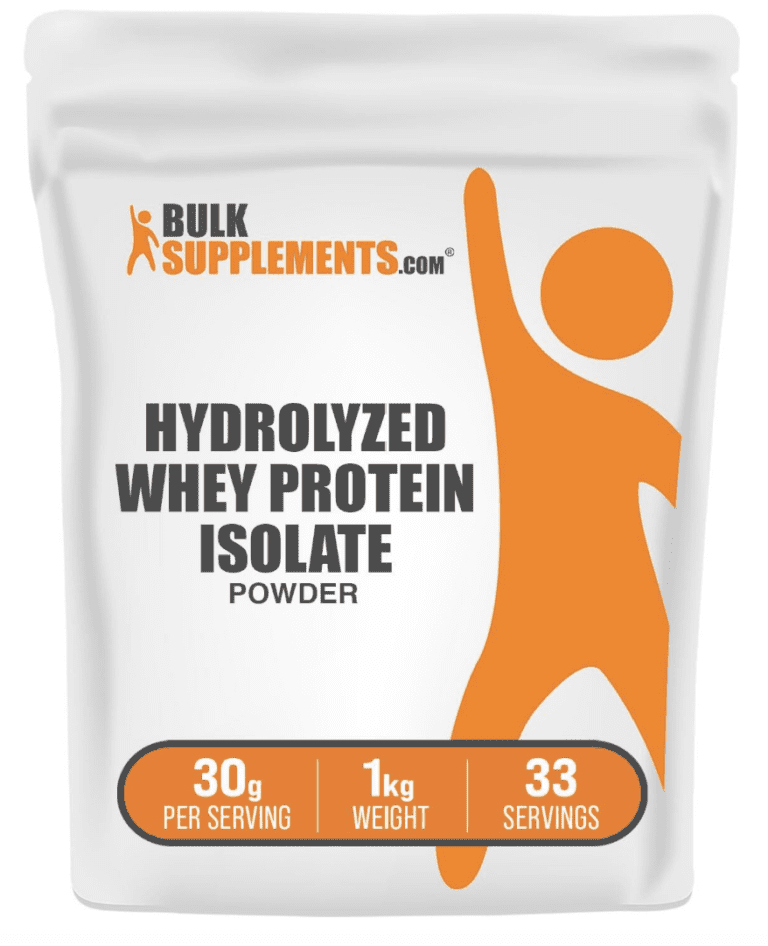
- vs. BulkSupplements Hydrolyzed Whey: This is the most direct comparison—two value-focused, unflavored/basically flavored hydrolyzed isolates. The choice often comes down to transient price per kilogram, with Nutricost sometimes offering more branded packaging and BulkSupplements offering a more “raw material” feel.
- vs. Muscle Feast Hydrolyzed Whey: Muscle Feast is also pure but positions itself as a premium “clean-label” brand, often with a higher price. Nutricost is the no-name, aggressive value alternative.
- vs. Dymatize ISO100: They’re in different leagues. Dymatize is the finished, consumer-grade product with top-tier flavor. Nutricost is the budget raw material. A comparison of cost vs. experience.
- vs. Labrada HYDRO: Labrada offers a fortified formula at a mid-tier price. Nutricost offers a bare-bones formula at a budget price. Different value propositions: added benefits vs. lower cost.
Potential Drawbacks (The Cost of Low Cost)
- Inconsistent Flavor Quality: Being a budget brand, flavor consistency between batches can sometimes vary more than with premium, established manufacturers.
- Basic Mixability: It doesn’t dissolve as effortlessly as products with more advanced blending or emulsifiers. You may need to shake longer or use a blender.
- Customer Service & Brand Trust: Nutricost is a value brand, not a legacy sports nutrition company. The level of customer service and brand reputation is different.
- No “WOW” Factor: It does nothing exceptionally well except save you money. It’s the definition of an adequate product.
Ready to Prioritize Price Over Polish?
If your goal is to incorporate hydrolyzed whey isolate into your diet at the absolute lowest possible cost, and you’re prepared to handle basic flavor and mixability, Nutricost delivers the core scientific benefit without the premium brand tax. It’s the pragmatic choice for the financially-savvy lifter.
More From Our Hydrolyzed Protein Cluster
- BulkSupplements Hydrolyzed Whey Review: The ultimate raw material for the cost-per-gram optimizer.
- Muscle Feast Hydrolyzed Whey Review: The pure, clean-label hydrolyzed whey for the ingredient purist.
- Dymatize ISO100 Review: The gold standard for flavor and refinement in hydrolyzed isolates.
- Labrada HYDRO Review: The balanced, fortified isolate offering added BCAAs at a mid-tier price.
- ON Platinum Hydrowhey Review: The maximalist, fully-loaded hydrolyzed blend for extreme recovery.
The Iron Lexicon: Value Protein Edition
- Value Brand
- A supplement company whose primary market position is based on offering lower prices than established competitors, often achieved through simplified formulas, basic packaging, and direct-to-consumer sales.
- Core Active Ingredient
- The primary substance in a supplement responsible for its intended effect. A value-focused product will often contain only this, minimizing “supporting” ingredients to reduce cost.
- Price Disruptor
- A product that enters a market and competes primarily by offering a significantly lower price point, forcing established competitors to justify their premium pricing.
- Adequate vs. Optimal
- A key distinction in value supplements: Adequate means it meets the basic functional requirement (e.g., delivers protein). Optimal means it excels in secondary attributes like taste, mixability, and added benefits.
- Brand Tax
- The portion of a product’s price attributable to brand recognition, marketing costs, and perceived prestige rather than the raw cost of ingredients and manufacturing.
- Utilitarian Supplement
- A product designed and chosen purely for its functional outcome, with little to no consideration for the experience of consumption, aesthetic packaging, or brand association.
† This statement refers to the general role of hydrolyzed protein isolate in supporting rapid amino acid delivery and muscle recovery. Individual results may vary based on diet, training, and overall regimen.