The Real Answer—No Myths, Just Mechanisms
You can’t spot-reduce fat from your lower abdomen—no crunch, twist, or plank will melt it off in isolation.
What works is creating a sustained calorie deficit while preserving lean muscle mass through resistance training.
For most men, that means burning ≈ 300–500 kcal/day more than consumed and combining compound lifts, HIIT, and protein-rich nutrition to drive fat oxidation and hormonal balance.

1. Why Fat Stores in the Lower Belly
| Factor | Description | Effect on Fat Storage |
|---|---|---|
| Insulin Resistance | Elevated insulin from frequent refined-carb meals | Promotes fat storage near the navel |
| Cortisol | Chronic stress hormone | Directs adipose tissue to the abdomen |
| Low Testosterone | Aging or poor sleep | Reduces lipolysis (fat breakdown) |
| Sedentary Time | Sitting > 8 hours/day | Lowers total daily energy expenditure |
“Fat storage patterns are hormonally influenced and region-specific,” explains Eugene Thong, CSCS, “but the fix remains system-wide: train hard, eat smart, and recover completely.”
2. The Training Blueprint
A. Compound Resistance Training (3–4 sessions/week)
Focus on multi-joint lifts—squats, deadlifts, presses, and rows.
Each workout: 4–6 exercises, 3–5 sets, 6–12 reps.
This range builds muscle and keeps resting metabolism high.
B. High-Intensity Interval Training (HIIT, 2 sessions/week)
Perform short bursts—20 seconds all-out, 40 seconds easy, repeated 8–10 times.
Tabata-style sessions elevate post-exercise oxygen consumption (EPOC), burning more total calories for up to 24 hours.
C. Steady-State Cardio (1–2 sessions/week)
Low-intensity cycling or incline walking for 30–45 minutes aids recovery and additional calorie burn.
3. Nutrition for Lower Belly Fat Loss
| Macronutrient | Recommended Intake | Function |
|---|---|---|
| Protein | 1.6–2.2 g per kg body weight | Preserves muscle during caloric deficit |
| Fat | 20–30 % of total calories | Supports testosterone and joint health |
| Carbohydrates | Fill remainder of calories | Fuels training intensity |
Charles Damiano, B.S. Clinical Nutrition, notes:
“A higher-protein, whole-food diet increases thermogenesis and satiety, making it easier to sustain the calorie deficit needed for abdominal fat loss.”
Additional Guidelines
- Cut liquid calories (soda, alcohol).
- Prioritize fiber-dense foods—vegetables, oats, legumes.
- Time carbohydrates around workouts to enhance glycogen use.
- Hydrate: aim for ≈ 35 ml/kg body weight per day.
4. Sleep, Stress, and Hormones
- Sleep 7–9 hours nightly—testosterone can drop 10–15 % after a week of restricted sleep.
- Use breathwork or short walks to reduce cortisol.
- Limit screen exposure before bed; blue light delays melatonin.
These recovery elements magnify training results and accelerate fat mobilization.
5. Realistic Timeline and Adjustments
| Timeframe | Focus | Expected Result |
|---|---|---|
| Weeks 1–4 | Build routine, set nutrition | 1–2 lb fat loss per week |
| Weeks 5–8 | Add HIIT, refine macros | Visible reduction in waistline |
| Weeks 9–12 | Maintain intensity, tweak calories | Sharper definition, tighter core |
Fat loss is nonlinear—expect small stalls, then visible drops as habits compound.
6. Common Mistakes to Avoid
- Skipping strength work: causes muscle loss, slower metabolism.
- Over-doing cardio: spikes cortisol and eats recovery.
- Crash diets (< 1,500 kcal/day): rebound risk high.
- Neglecting sleep: undermines hormone profile and appetite control.
7. Core Training That Complements Fat Loss
While you can’t burn fat from your abs, you can strengthen and sculpt them underneath.
Effective Movements:
- Hanging leg raises – focus on controlled eccentric.
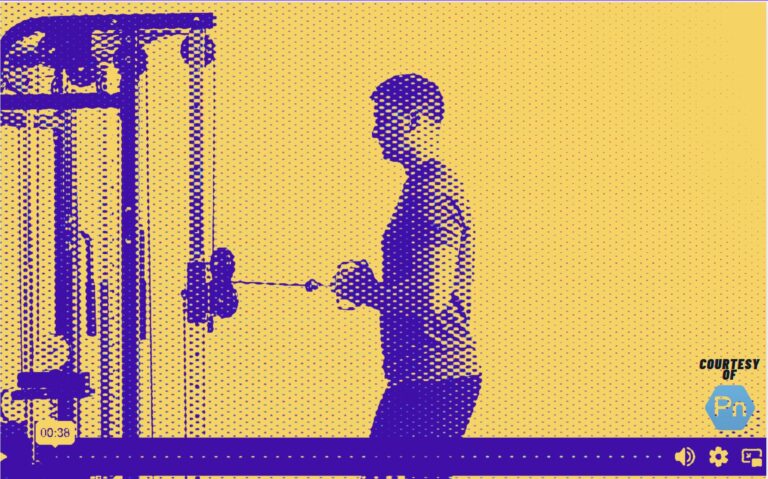
- Cable crunches – moderate load, 12–15 reps.
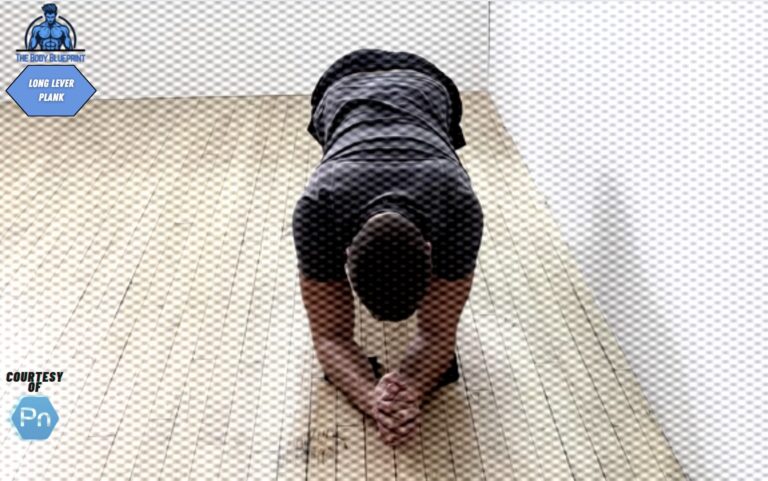
- Plank variations – stability for 60–90 seconds.
- Ab-wheel rollouts – 3 sets of 8–12.
These increase core density and posture, revealing sharper definition as fat decreases.
8. Scaling for Your Reality
Not everyone trains or recovers like an athlete.
Start with 3 total-body workouts and 1 HIIT day, adjusting calories gradually.
Progress = consistency × months, not miracles × days.
When you align training, nutrition, and recovery, the lower belly fat goes from stubborn to soluble—just slower than social media promises.
Takeaway
Losing lower belly fat for men isn’t about chasing one magic exercise; it’s about stacking marginal gains in training precision, nutritional discipline, and recovery hygiene.
Stay patient, stay systematic—and your waistline will follow your willpower.
Footnotes
- Schoenfeld BJ et al., J Strength Cond Res, 2014 – Mechanisms of muscle hypertrophy and fat oxidation.
- Tremblay A et al., Metabolism, 1994 – Impact of high-intensity intermittent training on fat loss.
- St-Onge M et al., Sleep, 2016 – Sleep duration and body composition in adult males.
- Bray GA et al., Am J Clin Nutr, 2012 – Protein intake and energy expenditure in caloric restriction.