Double Wood Cissus Quadrangularis delivers a 1000mg serving across 150 veggie capsules, manufactured and third-party tested in the USA for microbes and heavy metals. It leans on bottle count and testing transparency rather than exotic positioning. The serving is two capsules. The bottle is large. We read the panel and run the cost-per-serving math so you can see where it lands in the 2026 Cissus field.
The Spec Sheet: 1000mg Serving, 150 Capsules, Two-Cap Dose
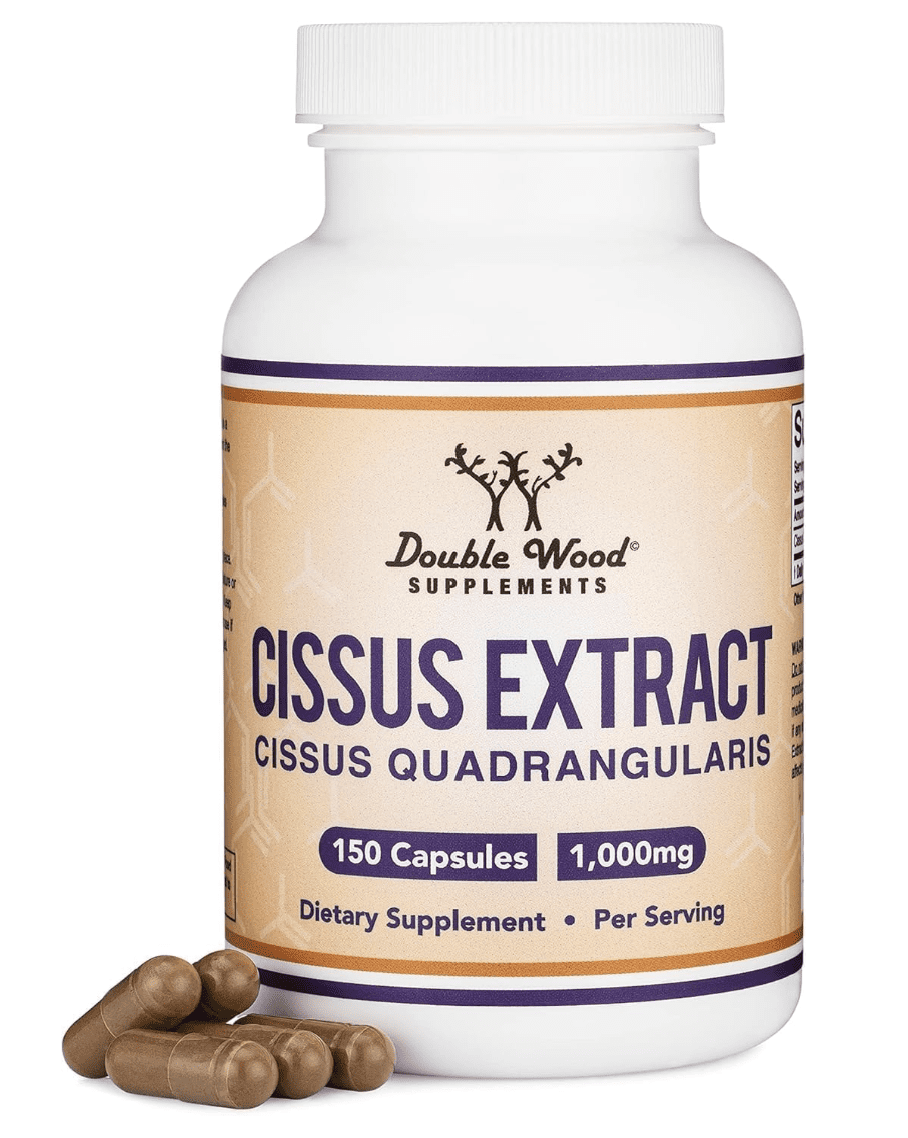
Double Wood runs a 1000mg-per-serving Cissus extract delivered as two veggie capsules, in a 150-capsule bottle. Read the serving math carefully. The 1000mg is per two-capsule serving, not per capsule. That puts roughly 75 servings in a bottle, which is where the value argument comes from. The brand’s own guidance caps daily intake at the one-serving mark.
- Cissus Quadrangularis Super Extract (1000mg per serving): The single active, delivered across two capsules. Traditionally used in the joint and bone category, with ketosterones as the studied marker compound.
- 150-Capsule Bottle: Roughly 75 servings per bottle. The larger count is the core value pitch against standard 60 and 120 counts.
- Veggie Capsule Format: Hypromellose capsule with rice flour and cellulose as the only other ingredients. Non-GMO and gluten-free. Plant-based compatible.
- Two-Capsule Serving: The full dose is two capsules, not one. Worth noting for anyone who prefers a single-pill serving. The brand advises not exceeding the labeled daily amount.
On standardization, the same caveat as most of the field applies. Double Wood markets a “Super Extract” but does not print a standardized ketosterone percentage. The 1000mg is total extract weight per serving. That is a neutral spec note, not a knock: it is the category norm, and the brand offsets it with its testing disclosures.
“Bottle count is the spec people forget to read. A big jar at a low sticker can still cost more per serving than a small one. With Double Wood, do the simple division first. 150 capsules at two per serving is the number that actually tells you the cost of a month, not the price on the front of the label.”
— Eugene Thong, CSCS
Testing and Transparency: USA Manufacturing, Heavy-Metal Screening
Double Wood’s main quality argument is USA manufacturing with third-party heavy-metal testing on every batch for lead, cadmium, arsenic, and mercury. Because Cissus is a vine extract that can pick up soil contaminants, the metals screen is the spec that matters most in this category. This is where Double Wood spends its differentiation, not on label theatrics.
- Per-Batch Heavy-Metal Testing: Each batch is screened for lead, cadmium, arsenic, and mercury. For a soil-grown vine extract, contaminant screening is the highest-value transparency line on the page.
- USA cGMP Manufacturing: Made and tested in the USA from globally sourced ingredients in a cGMP facility. Domestic manufacturing with batch testing is the brand’s reassurance over unknown relabels.
- COA Accessibility: Double Wood positions on Certificate of Analysis availability and label-claim accuracy. If you want to verify identity and potency, the paperwork is part of the pitch. Confirm current COA access on the live listing.
- Short Other-Ingredients Line: Only hypromellose, rice flour, and cellulose beyond the active. No proprietary blend, no mystery fillers.
“With any soil-grown botanical, the heavy-metal panel is the spec I read before the dose. A vine pulls up whatever is in the ground it grew in. A brand that prints its lead and arsenic testing is handing you the one number that is genuinely hard to fake. That is worth more than a bigger milligram figure on the front.”
— Charles Damiano, B.S. Clinical Nutrition
Selection Matrix: Who This Spec Fits
Match the bottle to your buying priority. The big-count, testing-forward spec is right for some buyers and overkill for others.
- The Value-Per-Serving Buyer: Wants the lowest cost-per-serving on a single-ingredient Cissus. The 150-count bottle is the play here. Do the division and it undercuts most 60 and 120 counts.
- The Testing-First Buyer: Reads the heavy-metal panel before the dose. Per-batch metals screening and COA access are the appeal. For a soil-grown extract, this is the spec that counts.
- The Long-Run Stacker: Plans a multi-month routine and hates re-ordering. Roughly 75 servings means fewer reorders per cycle.
- The USA-Manufacturing Buyer: Prefers domestic cGMP production with verifiable testing over an unknown overseas relabel.
The mismatch list.
- The Single-Pill Buyer: Wants the full dose in one capsule. Double Wood’s serving is two. If a one-cap serving is your preference, this format will annoy you daily.
- The Standardization Stickler: Wants a printed ketosterone percentage. The “Super Extract” name is not a stated standardized number. If you need the percentage on the panel, this is a blank line.
- The Travel-Light Buyer: Wants a compact bottle. The 150-count jar is large. Great at home, bulky in a gym bag.
Double Wood Cissus Pros and Cons: Value and Testing vs. Format
The Advantages (Pros)
- 150-Capsule Value: Roughly 75 servings per bottle. Strong cost-per-serving versus standard 60 and 120 counts.
- Per-Batch Metal Testing: Screened for lead, cadmium, arsenic, and mercury. The key spec for a soil-grown vine.
- USA cGMP Manufacturing: Made and tested domestically with COA accessibility and label-claim accuracy.
- Clean Other-Ingredients Line: Only hypromellose, rice flour, and cellulose. Non-GMO and gluten-free.
- Single-Active Label: No proprietary blend, no mystery fillers to decode.
The Trade-offs (Cons)
- Two-Capsule Serving: The full 1000mg requires two capsules, not one. A minor daily friction for single-pill buyers.
- No Stated Standardization: “Super Extract” is a name, not a printed ketosterone percentage. Active load is undeclared.
- Large Bottle: The 150-count jar is bulky and not travel-friendly.
- Single Ingredient Only: No collagen, turmeric, or glucosamine blended in. You build any stack yourself.
Market Contrast: Double Wood vs. the 2026 Cissus Field
Serving size, capsule count, and testing disclosure separate the single-ingredient Cissus tier. No brand wins every column.
| Supplement | Core Edge | Primary Trade-off |
|---|---|---|
| Double Wood Cissus | USA-tested, 150-count value, COA transparency | Two-capsule serving, no stated percentage |
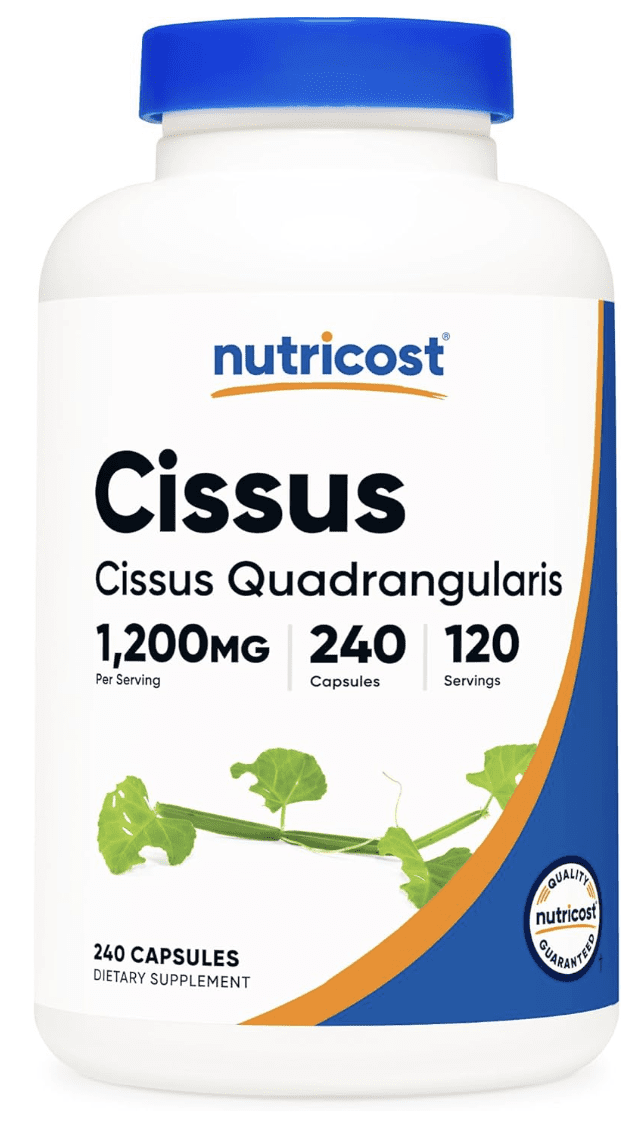
| Nutricost Cissus (1200mg) | Larger 1200mg serving, 240-count bulk | Bigger bottle, higher capsule load per serving |
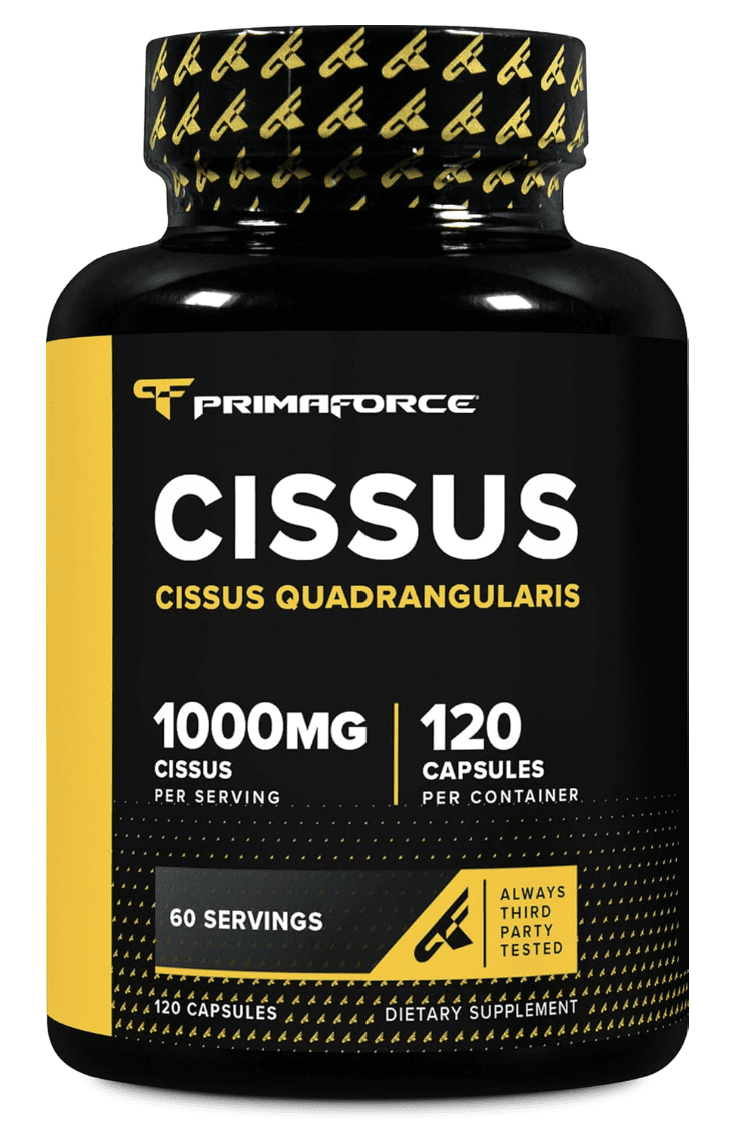
| Primaforce Cissus | High-concentration positioning, athlete-known | Premium pricing, smaller count |
| Bronson Cissus | Budget entry, established brand, 120-count | No stated percentage, fewer testing details printed |
For the full field side-by-side, see our best Cissus Quadrangularis supplements roundup. Stacking it with a structural protein? Our multi-collagen primer covers how the formats differ.
Double Wood Cissus FAQ: Serving, Count, and Testing
- Is the 1000mg per capsule or per serving?
- Per serving. The full 1000mg is delivered across two capsules. That works out to roughly 75 servings in the 150-capsule bottle. The brand advises not exceeding the labeled daily serving.
- How many servings are in a bottle?
- About 75 servings at two capsules each. That larger count is the basis of the value-per-serving argument against standard 60 and 120-count bottles.
- Is it third-party tested for heavy metals?
- Yes. Double Wood states each batch is manufactured and tested in the USA and screened for lead, cadmium, arsenic, and mercury. For a soil-grown vine extract, that contaminant screen is the spec worth checking.
- Does the label state a ketosterone percentage?
- No. It is marketed as a “Super Extract” but does not print a standardized ketosterone percentage. The 1000mg is total extract weight per serving. That is the category norm, noted here for transparency.
- Is it vegetarian and gluten-free?
- Yes. The capsule is hypromellose with rice flour and cellulose as the only other ingredients. It is non-GMO and gluten-free.
Double Wood Verdict: The Value-and-Testing Workhorse
Double Wood Cissus is a value-forward spec: a 1000mg serving across a 150-capsule USA-tested bottle, with heavy-metal screening as the standout transparency line. The big count drives the cost-per-serving down. The per-batch metals testing is the right spec to lead on for a soil-grown extract. The two trade-offs are honest: the serving is two capsules, and there is no printed standardized percentage. Neither is a defect at this tier. For the value-per-serving buyer who reads the testing panel first, the spec lines up cleanly. Confirm the live price and current COA access at the link before you buy.
The Spec: 1000mg Serving. 150 Capsules. USA-Tested. Metals-Screened.
A big-count, testing-forward single-herb label with strong cost-per-serving. For the value buyer who reads the heavy-metal panel before the dose.
*Price and label details subject to change. Verify on the live listing. Statements not evaluated by the FDA. Not intended to diagnose, treat, cure, or prevent any disease.
The Cissus Spec Lexicon
- Serving Size vs. Capsule Size
- The serving is the full labeled dose, here 1000mg across two capsules. Capsule size is the per-pill amount. Always divide bottle count by capsules-per-serving to get true servings.
- Heavy-Metal Panel
- Batch testing for lead, cadmium, arsenic, and mercury. For soil-grown botanicals like Cissus, this is the highest-value spec on the label.
- Certificate of Analysis (COA)
- A document verifying a batch’s identity, potency, and contaminant results. COA accessibility is a transparency signal a brand can offer beyond the printed panel.
- Super Extract
- A marketing term for a concentrated extract. It is not the same as a printed standardized percentage unless a marker-compound figure is also stated on the label.