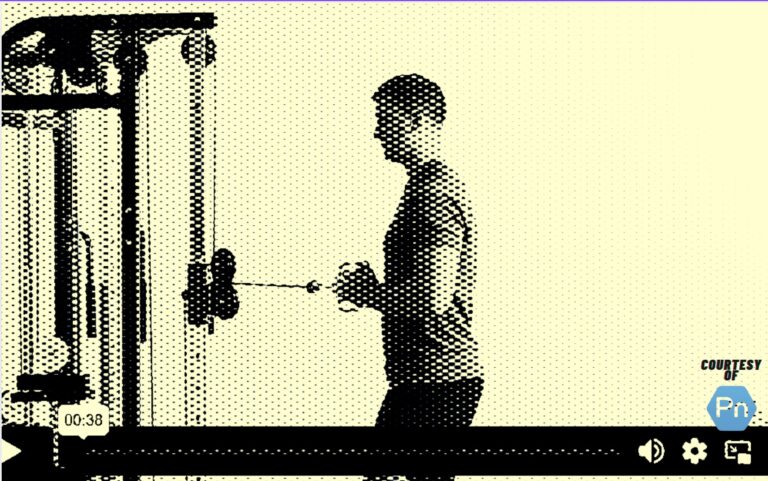
The transverse abdominis and internal obliques function primarily as anti-rotators, stabilizing the lumbar spine against external torque. Traditional flexion exercises (crunches) fail to train this mechanism, leaving the spine vulnerable under load. The Pallof Press Iso is the foundational movement for correcting this deficit.
You can have a six-pack and still have a weak core. If your midsection buckles when you carry groceries or squat heavy, your stabilizers are asleep at the wheel. The Pallof Press Iso isn’t about burning fat; it’s about teaching your body to become a rigid, unmovable pillar. This is the single best exercise to improve weightlifting weak points caused by energy leaks in the torso.
Important: Start with light tension. If you feel pain in your lower back, your core has disengaged. Reset and tuck your pelvis.
Why This Move Outclasses Planks
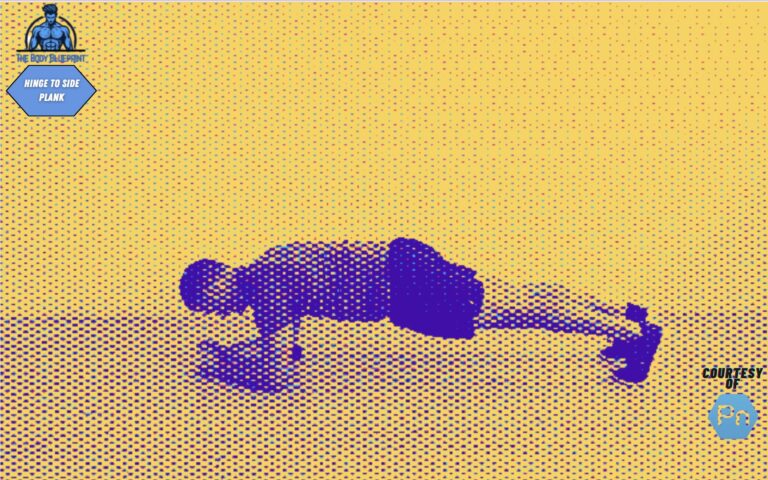
Planks are fine, but they only train anti-extension (gravity pushing you down). The Pallof Press trains anti-rotation (forces pulling you sideways). This lateral stability is critical for anyone engaging in high-intensity training or athletics.
The Benefits at a Glance
| Benefit | The Payoff |
|---|---|
| Spinal Stiffness | Protects the discs during deadlifts and squats. |
| Torque Resistance | Allows you to transfer power from legs to arms without losing energy. |
| Glute/Abs Sync | Forces the hips and abs to work together as a unit. |
The Perfect Setup: Dial In the Details
Before you start, ensure your shoulders are prepped. A quick set of Scapular Wall Slides will ensure you aren’t compensating with your traps.
Step-by-Step Execution
- The Anchor: Set a band or cable handle at chest height.
- The Stance: Stand perpendicular to the anchor. Feet shoulder-width apart, knees soft (athletic stance).
- The Grip: Hold the handle at your sternum with both hands.
- The Press: Exhale and press the handle straight out. Your body will want to twist toward the anchor—do not let it.
- The Hold: Lock your elbows. Squeeze your glutes. Hold for time.
“Breathing is the secret weapon here. If you hold your breath, you create artificial stability. You must learn to breathe behind the shield. Use balloon breathing techniques to maintain intra-abdominal pressure while cycling air.”
— Eugene Thong, CSCS
Variations to Break Plateaus
1. Tall-Kneeling Pallof Iso
Drop to both knees. This removes the legs from the equation, forcing the glutes and core to isolate. It’s harder than standing.
2. The “Chaos” Hold
Have a partner lightly tap or pluck the band while you hold it. This forces your fast-twitch fibers to react instantly to maintain position.
3. Single-Leg Stand
Stand on the “inside” leg (closest to anchor). This challenges the hip stabilizers (glute medius) significantly.
Common Mistakes
- The Shoulder Shrug: Keep shoulders down and back. If you shrug, the band is too heavy.
- The Lean: Don’t lean away from the anchor. Stay vertical. If you have to lean, you are cheating.
- Soft Elbows: Lock them out. Bending the elbows reduces the lever arm and makes the exercise easier (and less effective).
Programming Tips
This exercise pairs perfectly as a superset with pressing movements. Try alternating sets of dumbbell bench press with Pallof holds to keep the core primed without fatiguing the prime movers.
Beginner Protocol
| Week | Protocol | Focus |
|---|---|---|
| 1-2 | 3 x 20s Hold | Perfect alignment. |
| 3-4 | 3 x 30s Hold | Add tension. |
Nutrition Note
Isometric holds are demanding on glycogen stores. If you are training this in a high-volume session, consider using a Glucose Disposal Agent like NutraBio Unbound GDA with your pre-workout meal to drive nutrients into the muscle for sustained contractions.
The Verdict
The Pallof Press Iso is the cornerstone of a healthy spine and a powerful physique. It bridges the gap between “gym strength” and “real-world stability.” Add it to your routine today.