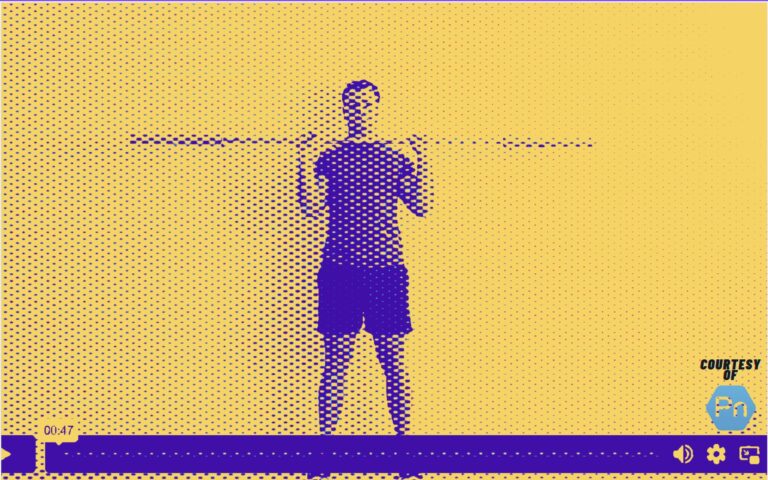
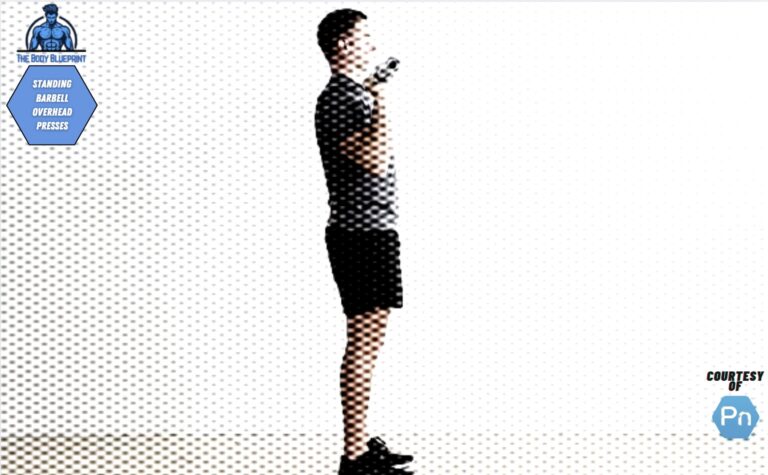
Most lifters have a “strong side.” When you use a barbell or press two dumbbells at once, your dominant side subtly takes over, leaving your weak side to atrophy. The Single-Arm Seated Overhead Press stops this compensation dead in its tracks.
This isn’t just a shoulder exercise; it is an “Anti-Lateral Flexion” core exercise. By loading one side, your obliques must fire violently to keep you upright. If you lean, you fail. This movement exposes the truth about your structural integrity and forces your shoulders to grow symmetrically. Stop hiding your imbalances. Fix them.
Important: Start with a lighter weight than you think. The stability demand is significantly higher than bilateral pressing. If you lean sideways, you risk straining the lower back.
Why You Need Unilateral Pressing
Standard overhead pressing allows you to brace symmetrically. Single-arm pressing throws your center of gravity off. To stay upright, you must engage the contralateral (opposite side) core muscles. This builds “real world” strength similar to the Turkish Get Up, where stability is the limiting factor.
The Benefits at a Glance
| Advantage | The Payoff |
|---|---|
| Symmetry | Forces each shoulder to carry 100% of the load independently. No cheating. |
| Core Stiffness | The obliques must fight hard to prevent the torso from bending sideways. |
| Range of Motion | Without a bar hitting your head, you can bring the dumbbell lower for a deeper stretch. |
How to Perform It Like a Pro
Do not lean. Leaning is cheating. If you have to lean away from the weight to get it up, it’s too heavy.
Step-by-Step Execution
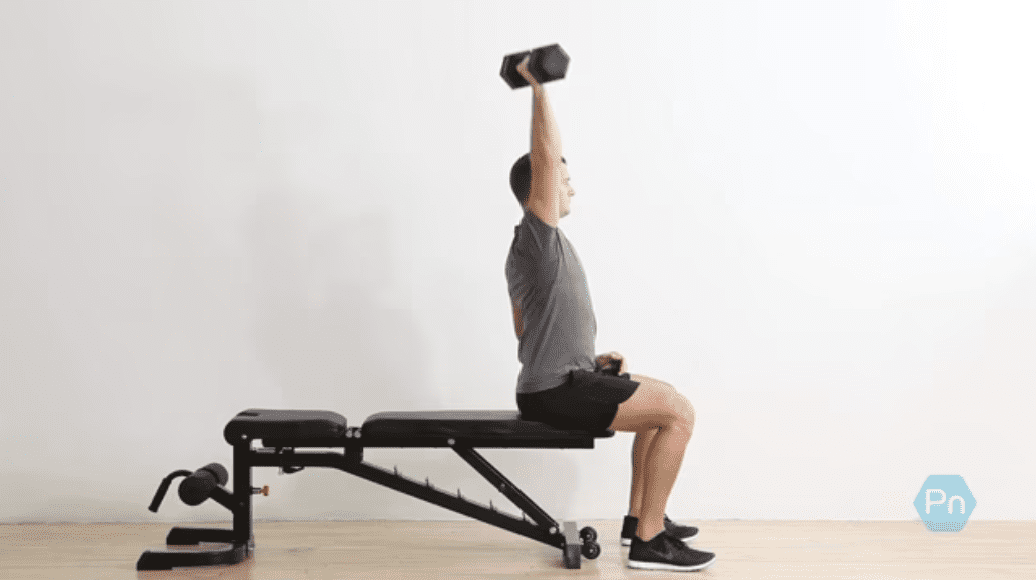
- The Setup: Sit on a bench with back support (75-90 degrees). Plant your feet wide for a tripod base.
- The Rack: Bring ONE dumbbell to shoulder height. Make a tight fist with your free hand and extend it out to the side for balance (irradiation).
- The Brace: Pull your ribs down. Squeeze your abs like you are bracing for a punch.
- The Drive: Press the weight vertically. Keep your elbow slightly tucked (Scapular Plane), not flared wide.
- The Lockout: Finish with the bicep near the ear. Pause.
- The Return: Lower under control to the shoulder. Do not let the weight pull you sideways.
“Your free hand is not dead weight. Squeeze it. Grip the bench or make a fist. This creates full-body tension (Irradiation) that instantly makes your pressing arm stronger.”
— Eugene Thong, CSCS
Common Mistakes That Kill Progress
- The Side Bend: Leaning away from the working arm to create leverage. Keep the spine vertical.
- The Flop: Letting the weight free-fall on the way down. You must control the eccentric phase.
- The Half-Rep: Stopping at ear level. Bring the dumbbell all the way down to the shoulder for full recruitment.
Programming & Optimization
Unilateral training takes twice as long. Plan accordingly.
Sample Protocol
| Goal | Sets/Reps | Pair With |
|---|---|---|
| Hypertrophy | 3 x 10-12 / Side | Lower Body Exercises (Super Set) |
| Strength | 4 x 6-8 / Side | Hip Stability Work |
Performance Stack
Because this exercise relies heavily on joint stability:
- Connective Tissue: Shoulders are prone to wear and tear. Utilizing the best collagen supplements can support tendon health during heavy pressing.
- Conditioning: Don’t let your cardio interfere with your gains. Low-impact work on the best stationary bike will keep you lean without fatiguing the shoulder girdle.
Tech Alternative: If you are into digital weights, check out Tonal alternatives which often feature “chains” mode to increase dynamic stability demands.
The Verdict
The Single-Arm Seated Overhead Press is the truth serum for your upper body. It forces you to stabilize, balance, and press without cheating. If you want symmetrical, bulletproof shoulders, start pressing one arm at a time.