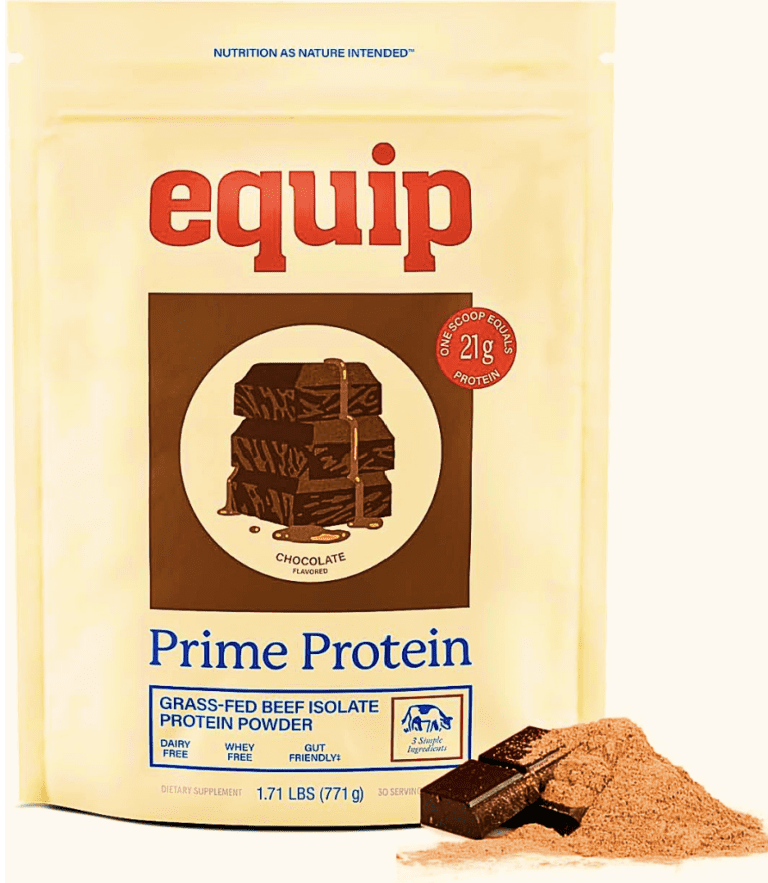
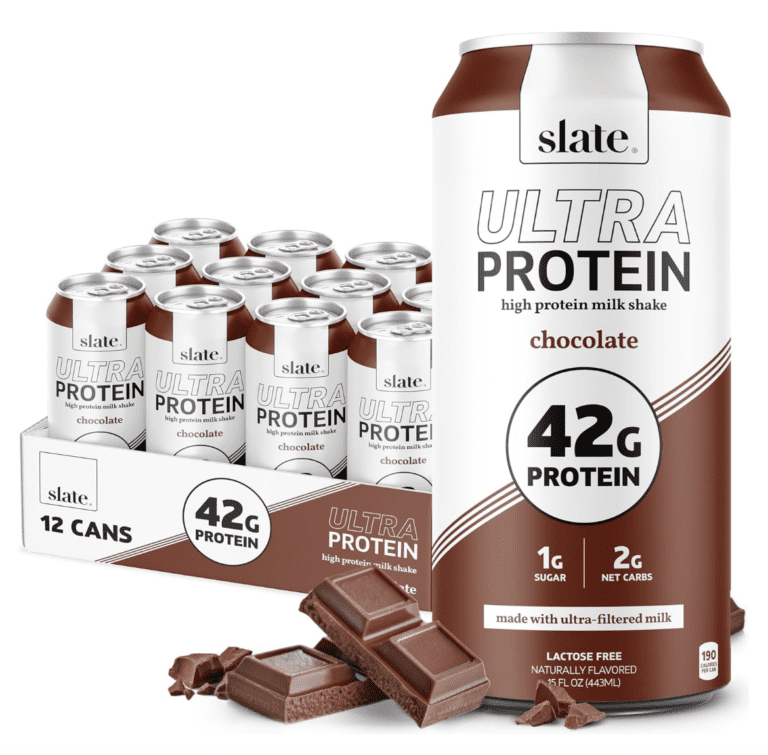
You’re staring at a wall of protein tubs, each promising more muscle, faster recovery, and cleaner ingredients. Your cart is full, your patience is gone, and you’re one click away from buying the wrong $50 powder. The problem isn’t protein—it’s processing. Understanding whey protein types is the difference between fueling gains and flushing money.
This is the definitive breakdown of what separates a budget concentrate from a premium hydrolysate. We’ll cover:
- The Manufacturing Chain: How milk becomes powder, and which steps remove fat, lactose, and your patience.
- The Three Tier System: Concentrate, Isolate, Hydrolyzed—defined by filtration, not marketing.
- The Absorption Timeline: Why “fast-acting” is a half-truth that costs you 300% more.
- The Buyer’s Matrix: Matching the molecule to your actual goal: budget, lactose intolerance, or post-surgical recovery.
Whey Protein Processing: From Milk Vat to Muscle Cell
Whey isn’t invented. It’s extracted. The value is in what’s removed—and what’s left behind. Here’s the mechanical truth, stripped of dairy industry romance.
| Stage | Input → Output | What’s Removed | Commercial Lie |
|---|---|---|---|
| 1. Separation | Milk → Whey Liquid + Casein Curds | Casein proteins, some fat. | “Whey is a byproduct.” (True, but it’s a valuable one.) |
| 2. Filtration (Concentrate) | Liquid Whey → Whey Concentrate Powder | Some water, modest amounts of fat/lactose via ultrafiltration. | “Concentrate is low quality.” (False. It’s the foundational form.) |
| 3. Microfiltration (Isolate) | Concentrate → Whey Isolate Powder | ~90% of fat, ~90% of lactose. Water. Uses CFM or IMF. | “Isolate is 100% pure protein.” (False. It’s ~90% protein by weight.) |
| 4. Hydrolysis (Hydrolyzed) | Isolate or Concentrate → Hydrolyzed Whey | Peptide bonds. Enzymes “pre-digest” long protein chains. | “Hydrolyzed is for everyone.” (Categorically false. It’s a niche, expensive tool.) |
“People think protein quality is about grams. It’s about grams per dollar, grams per stomach ache, and grams that actually get to your muscles before your gut bacteria throw a party. The type of whey determines all three.” — Charles Damiano, B.S. Clinical Nutrition
Whey Protein Types Compared: The Three-Tier Hierarchy

This isn’t good, better, best. It’s trade-offs. More processing equals higher cost and purity, but diminishing returns hit fast. Mixability and taste vary dramatically.
| Type | Protein % (by weight) | Fat & Carbs (per 25g serving) | Primary Processing | Taste & Texture | Cost per gram of protein |
|---|---|---|---|---|---|
| Whey Protein Concentrate (WPC) | 70-80% | 1.5-3g fat, 2-4g carbs (mostly lactose) | Ultrafiltration | Creamier, fuller mouthfeel. Can be slightly chalky if low quality. Naturally sweeter from lactose. | $0.02 – $0.03 (Budget King) |
| Whey Protein Isolate (WPI) | 90%+ | <0.5g fat, <1g carbs (trace lactose) | Microfiltration / Ion Exchange | Thinner, less creamy. Mixes very easily. Minimal taste, often requires more artificial flavoring. | $0.035 – $0.05 (The Workhorse) |
| Hydrolyzed Whey Protein (HWP) | 90%+ (often from isolate) | Negligible (same as isolate) | Enzymatic Hydrolysis + Filtration | Thinnest, often watery. Known for a distinct bitter taste due to peptides. Hard to flavor effectively. | $0.06 – $0.12+ (The Specialist) |
Whey Protein Concentrate Explained: The Foundation
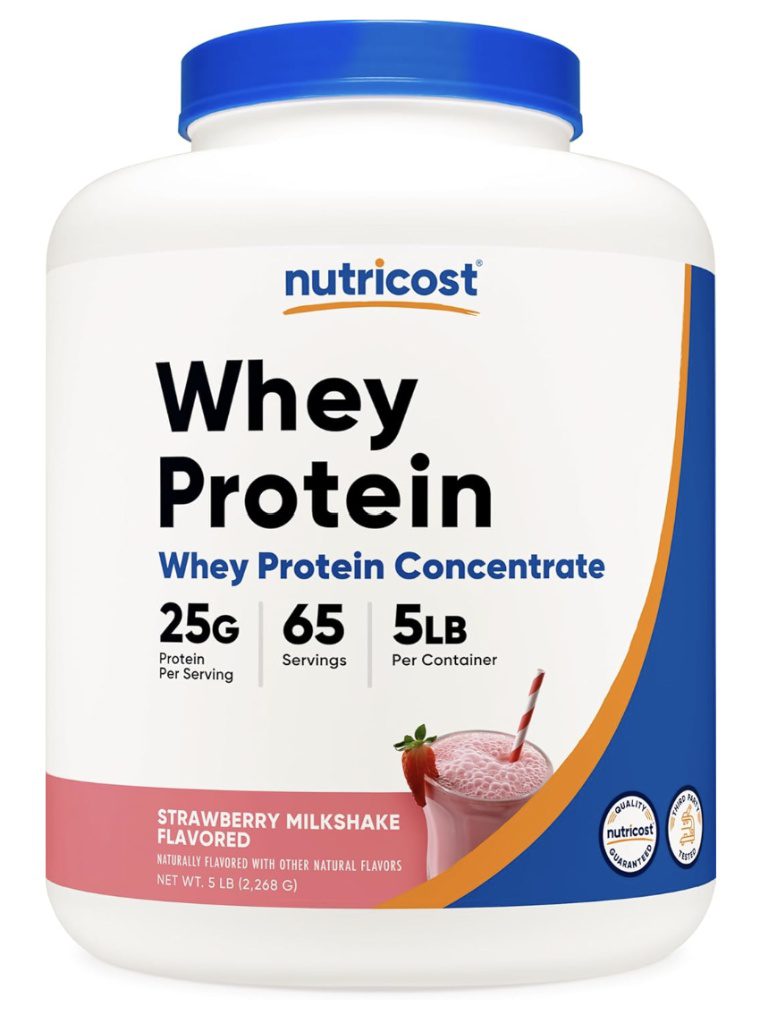
What it is: The least processed form after drying. Contains the most bioactive peptides (immunoglobulins, lactoferrin) and a natural ratio of fats and lactose. Best for: The budget-conscious, those without lactose intolerance, general muscle support. The reality: The “whole food” of whey. The minor fat content can slow absorption slightly, which is irrelevant for 99% of trainees. If you can tolerate it, it’s the most cost-effective muscle-building tool available See our budget whey concentrate picks.
Whey Protein Isolate Explained: The Purist’s Choice
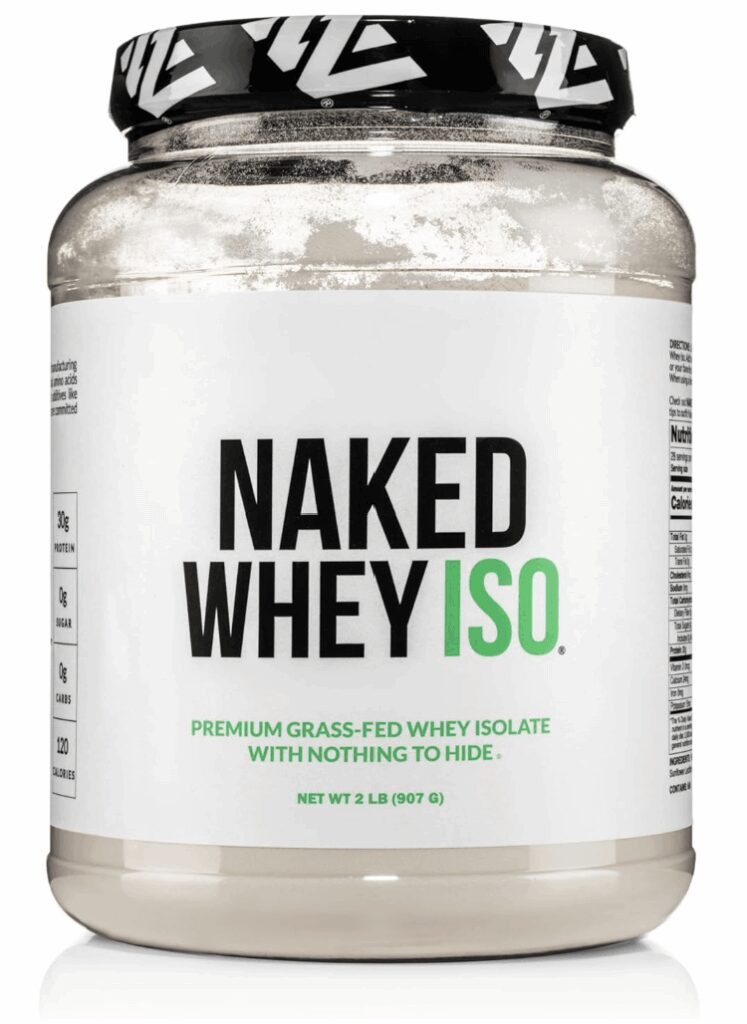
What it is: Concentrate put through an additional cross-flow microfiltration (CFM) process. Removes nearly all fat and lactose. Best for: Lactose-intolerant individuals, pre/post-workout when minimizing digestive bulk is priority, fat-loss phases where every macro counts. The reality: You’re paying a 40-70% premium for purity and digestibility, not superior muscle building. The absorption speed difference versus concentrate is measured in minutes, not hours. Our detailed isolate comparison breaks down the top brands.
Hydrolyzed Whey Protein Explained: The Surgical Instrument

What it is: Isolate or concentrate treated with enzymes that break (hydrolyze) peptide bonds, creating di- and tri-peptides. Best for: Elite athletes training multiple times per day, medical nutrition (post-surgery, severe malabsorption), those who want the absolute fastest possible plasma amino acid spike. The reality: It’s not “better protein.” It’s pre-digested protein. The premium is for speed and guaranteed digestibility, not anabolic superiority. The bitter taste is a hallmark of hydrolysis. For most, it’s financial overkill. Our deep dive into hydrolyzed whey reveals who truly needs it.
Whey Protein Absorption Timeline: The Real “Fast-Acting” Truth
The “fast” in fast-acting whey is relative to casein, not a magical anabolic window. Here’s the data-driven timeline from ingestion to peak plasma amino acids:
| Hydrolyzed Whey | 0-15 min: Stomach emptying begins almost immediately due to small peptide size. 30-45 min: Peak plasma amino acid levels. This is the fastest possible delivery. Anabolic window: ~2-3 hours. Sharp spike, sharp decline. |
| Whey Isolate | 0-30 min: Requires minimal digestion in stomach. 45-60 min: Peak plasma amino acid levels. Anabolic window: ~3-4 hours. The practical sweet spot for post-workout. |
| Whey Concentrate | 0-45 min: Fat/lactose content slightly delays gastric emptying. 60-90 min: Peak plasma amino acid levels. Anabolic window: ~4-5 hours. The “slowest” fast protein—still vastly faster than casein or food. |
The Takeaway: Unless you’re injecting insulin or are a paid professional athlete, the 15-30 minute absorption difference between hydrolyzed and concentrate is physiologically irrelevant. Total daily protein intake dominates absorption speed.
How to Choose Whey Protein: The Buyer’s Decision Matrix
| Your Primary Goal | First Choice | Secondary Choice | Do Not Buy |
|---|---|---|---|
| Maximize Muscle / $ (Budget-focused mass) | Whey Concentrate. The value king. Spend savings on food. | Whey Isolate (only if concentrate causes bloating). | Hydrolyzed Whey. You are burning money for no measurable benefit. |
| Fat Loss / Macro Precision (Counting every gram) | Whey Isolate. Highest protein %, negligible carbs/fat. | Hydrolyzed (if budget allows and you train fasted). | Whey Concentrate. The extra 3-5g of carbs/fat per serving adds up. |
| Lactose Intolerance (No digestive distress) | Whey Isolate (CFM preferred). Lactose is removed to trace levels. | Hydrolyzed Whey (guaranteed zero lactose). | Whey Concentrate. You are buying a stomach ache. |
| Multiple Daily Training Sessions (Elite recovery needs) | Hydrolyzed Whey. For rapid between-session amino acid replenishment. | Whey Isolate (still excellent). | Whey Concentrate. Slower digestion may not align with tight training windows. |
| Taste & Texture Priority (You won’t drink chalk) | Whey Concentrate (high-quality brand). Best natural mouthfeel. | Whey Isolate (superior mixability). | Hydrolyzed Whey. The bitter, watery profile is notoriously hard to mask. |
Whey Protein FAQs
1. Is Whey Isolate Worth the Extra Money?
Only if you have a specific reason. If you are lactose intolerant, on an extreme fat-loss diet where every gram of carb/fat matters, or need the absolute purest form for a competition drug test, then yes. If you’re a general trainee trying to hit 150g of protein a day, the extra cost per serving provides no measurable muscle-building advantage over a quality concentrate.
2. Does Hydrolyzed Whey Build More Muscle?
No. In controlled studies with adequate total protein intake, hydrolyzed whey does not result in more muscle growth than isolate or concentrate over time. Its advantage is speed of absorption and guaranteed digestibility, not anabolic potency. You are paying for a delivery method, not a superior building block.
3. What’s Better: Whey or Plant Protein?
Whey, objectively, for muscle protein synthesis. Whey is a complete protein with a superior leucine content and amino acid profile. Plant proteins are inferior for triggering MPS unless specifically blended (e.g., pea + rice). Choose plant protein only if you are vegan or have a severe dairy allergy. If your goal is muscle, whey wins.
Tactical Whey Protein Q&A
1. What to Look for on a Whey Protein Label?
Three non-negotiables: 1) Protein Source: Must list the type (Concentrate, Isolate, Hydrolysate). 2) Amino Acid Profile: Should list Leucine content (~2.5g per 25g serving is good). 3) Third-Party Testing: Look for “Informed Choice” or “NSF Certified for Sport” if you’re concerned about contaminants or banned substances. The ingredient list should be short: protein source, lecithin (emulsifier), natural flavors, stevia/monk fruit. Avoid lengthy “proprietary blends.”
2. Best Time to Take Each Type of Whey?
Concentrate: Anytime. Meal replacement, between meals. Its slightly slower profile makes it ideal for general use. Isolate: Pre/Post-workout. When you want protein with minimal digestive bulk around training. Hydrolyzed: Post-workout exclusively, or between multiple daily sessions. Its rapid spike is wasted if you’re sitting at a desk for 4 hours afterward.
3. Can Whey Cause Kidney Damage?
No, if you have healthy kidneys. This is a persistent myth. High protein intake stresses diseased kidneys but does not damage healthy ones. The upper safe limit for protein intake in healthy adults is at least 2.2g/kg of body weight, far above what most consume. If you have pre-existing kidney disease, consult a doctor. Otherwise, whey is safe.
Whey Protein Key Takeaways
- Type is defined by filtration, not quality. Concentrate (70-80% protein), Isolate (90%+), Hydrolyzed (90%+, pre-digested). Each serves a different need.
- Absorption speed differences are marginal for most. The 30-minute gap between hydrolyzed and concentrate peaks is irrelevant unless you’re an elite athlete with specific timing needs.
- Your goal dictates your purchase. Budget/build mass → Concentrate. Lactose intolerance/fat loss → Isolate. Elite recovery/medical need → Hydrolyzed. Buying hydrolyzed for general use is a luxury tax, not an investment.
- Taste and texture vary drastically. Concentrate is creamiest, Isolate is thin and mixes easily, Hydrolyzed is often bitter and watery. Your adherence depends on palatability.
- Total daily protein intake dominates timing and type. Hitting 1.6-2.2g/kg of body weight daily is 95% of the battle. Arguing over isolate vs. concentrate while under-eating protein is like arguing over spark plug brands in a car with no gas.
- Read the label, not the marketing. The front of the tub sells hope. The supplement facts panel and ingredient list tell the truth. Know what you’re paying for.
Stop overcomplicating protein. Choose the type that solves your specific problem—digestion, budget, or timing—and invest the mental energy you saved into actually training and eating consistently. The powder is a tool; you are the craftsman.