Stability Ball Rollouts are the definitive anti-extension drill for anyone serious about building a bulletproof core and high-level athletic aesthetics.
Look, you can keep doing a thousand crunches and wondering why your midsection looks like a wet noodle, or you can actually fix your biology. This is the 2026 data-driven reality: if you want a torso that can support heavy Barbell Deadlifts and look aesthetic on the beach, you need to master stability. Stop wasting time on “abs” and start training your core stability.
Disclaimer: Consult a physician or qualified trainer before starting any new exercise. This guide focuses on performance and aesthetic optimization and is for educational purposes only.
Stability Ball Rollouts: The Kinetic Core Chain
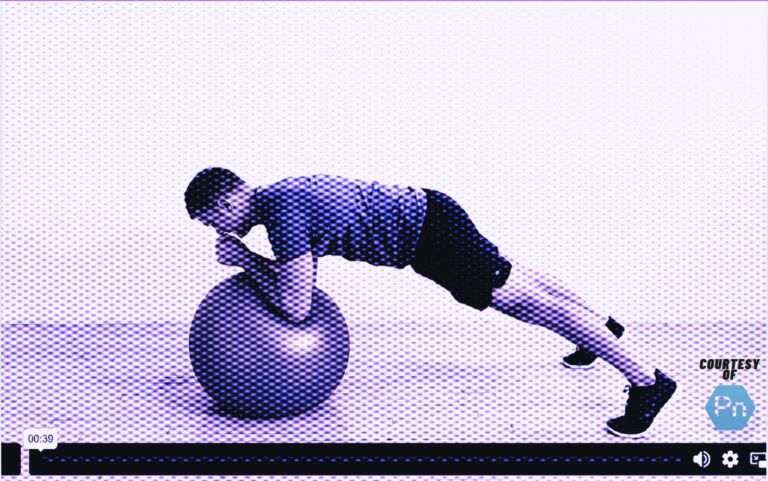
Stability Ball Rollouts are an advanced bodyweight movement that forces your abs, obliques, and lower back to work as a single unit against gravity. Unlike the Ab Wheel Rollout, which uses a fixed path, the ball introduces a 3D stability challenge that hits the deep transverse abdominis. This is a compound movement for your midsection; it’s not just for show, it’s for structural integrity.
- Primary Focus: Abs, Obliques, Lower Back.
- Equipment Needed: Stability Ball.
- Skill Level: Intermediate. Masters core-to-extremity control.
- Key Purpose: Anti-extension training and building a dense, powerful core.
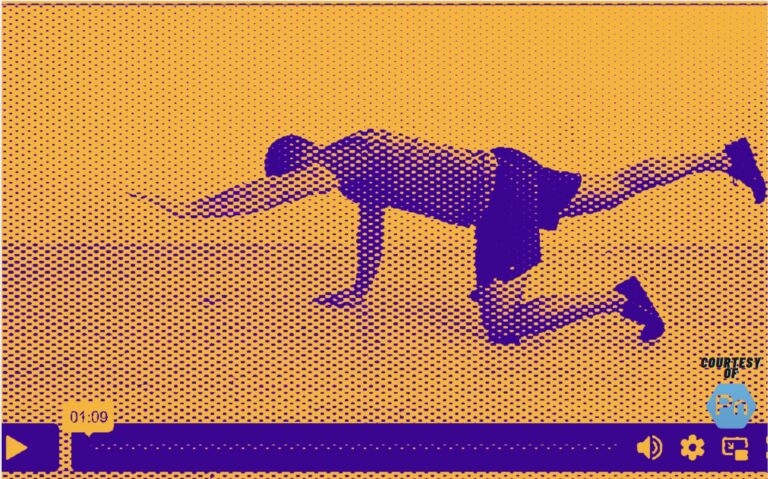
Stability Ball Rollout instructional video. Focus on maintaining the “hollow body” position.
Why Rollouts Are Essential for Athletic Performance
The primary function of the core is to resist motion, not create it. By forcing your body to resist “arching” or extending the spine, you build the specific strength needed to stay rigid under a heavy Barbell Back Squat. This is the definition of building strength that actually transfers to the real world.
- Spinal Protection: It builds the “muscular corset” that keeps your vertebrae safe during high-load leg exercises.
- Aesthetic Density: It creates the thick, blocky abs seen in Golden Era legends, rather than the thin, flat look of high-rep crunchers.
- Efficiency: One set of rollouts provides more high-quality tension than five sets of sit-ups.
- Shoulder Stability: Maintaining the reach engages the serratus and lats, aiding in shoulder health.
Step-by-Step Form: The 5-Point Core Checklist
- Setup: Kneel on a soft mat with the stability ball in front of you. Place your forearms on the ball, making a 90-degree angle. Prime your breathing with 90/90 Wall Balloon-Breathing to set your ribcage.
- The Brace: Squeeze your glutes and tuck your pelvis. Think of a “hollow body” position. If you can’t hold this, revert to an Ab Wheel Iso.
- The Roll: Slowly push the ball forward by extending your arms. Your hips must move with you. Do not leave your butt behind.
- The Extension: Go as far as you can without your lower back arching. This is your “active range.”
- The Return: Use your abs to “pull” the ball back to the start. Exhale as you pull to maximize the contraction.
“The stability ball rollout isn’t just an ab exercise; it’s a masterclass in load distribution. If you lose your pelvic tilt, the load shifts from the anterior core to the lumbar spine, which is a one-way ticket to a back injury. Own the tuck, and you own the movement. This level of rigidity is exactly what we need for heavy loaded carries.”
— Eugene Thong, CSCS
3 Common Mistakes & How to Fix Them
Bad form on rollouts is worse than not doing them at all. Stay sharp.
1. The Banana Back
The Mistake: Letting your lower back sag toward the floor as you roll out.
The Fix: Squeeze your glutes like your life depends on it. If you can’t keep a flat back, shorten your range of motion. Use a percussion massager on your lats if they are too tight to allow a full reach.
2. The Pushed Hips
The Mistake: Rolling the ball forward while your hips stay over your knees.
The Fix: Your hips and shoulders must move forward at the same rate. Imagine there is a rod connecting your knees to your head.
3. Shrugging Into the Ball
The Mistake: Losing back engagement and letting the ball push your shoulders into your ears.
The Fix: Depress your shoulder blades. Think about “pulling” the ball down into the floor as you roll.
“From a nutritional standpoint, building a dense core requires more than just reps; you need the substrate for recovery. Ensure you’re hitting your protein goals with a clean source like Momentous Whey. Anti-inflammatory support from Momentous Omega-3 also helps keep the connective tissues of the spine resilient during high-tension work.”
— Charles Damiano, B.S. Clinical Nutrition
Programming & Integration
Rollouts are best performed 2-3 times per week to allow for systemic recovery.
- Core Strength: 3 sets of 8-10 reps. Focus on a 3-second eccentric (rolling out).
- High-Intensity Finish: 2 sets of as many slow reps as possible (AMRAP). Pair with Bear Crawls.
- Aesthetic Focus: Integrate these into your muscle building blocks. Supplement with Momentous Creatine to maximize cellular hydration and power output.
Variations to Scale Difficulty
- To Regress: Start with an Ab Wheel Iso or short-range core stability drills.
- To Progress: Move to a full Ab Wheel Rollout or try a Single-Arm Plank for unilateral stability.
- Lateral Challenge: Add a slight diagonal angle to your roll to hit the obliques harder.
The Verdict
Stability Ball Rollouts are the gold standard for functional core density. They teach you to resist extension, protect your spine, and build an aesthetic midsection that actually works. Stop rocking and start rolling. Master your mechanics.
Stability Ball Rollouts FAQ
Does this help with back pain?
When done with a proper “hollow body” brace, rollouts can alleviate back pain by strengthening the muscles that prevent excessive lumbar arching.
How often should I train core?
Treat the core like any other muscle group. 2-3 times a week with high intensity is better than daily moderate work.
Can I do these on my feet?
Standing rollouts are the ultimate progression. If you can do 15 perfect reps on your knees with a 3-second pause, you’re ready to try the standing version.